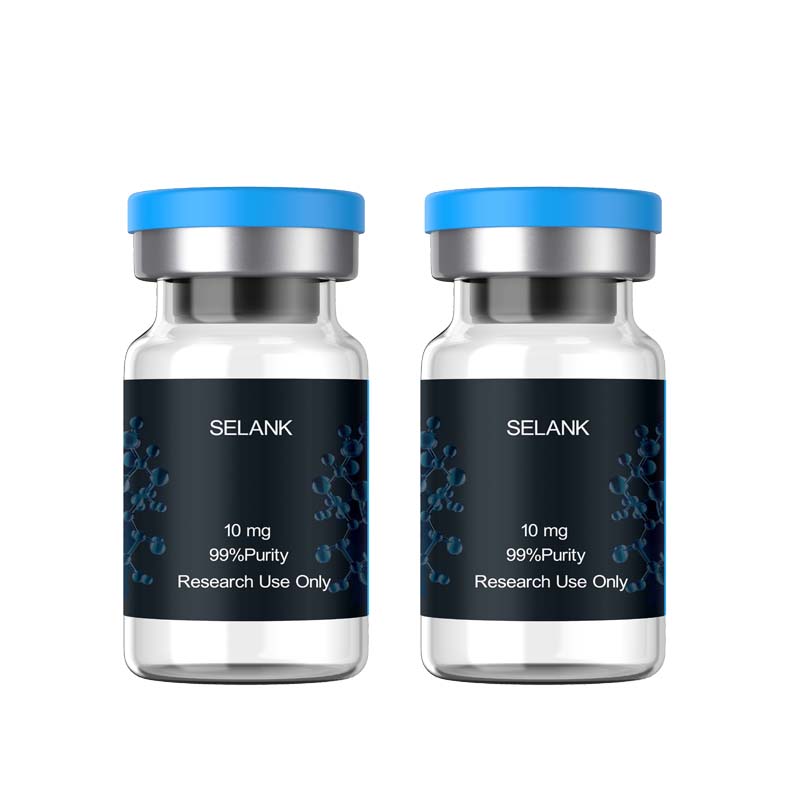
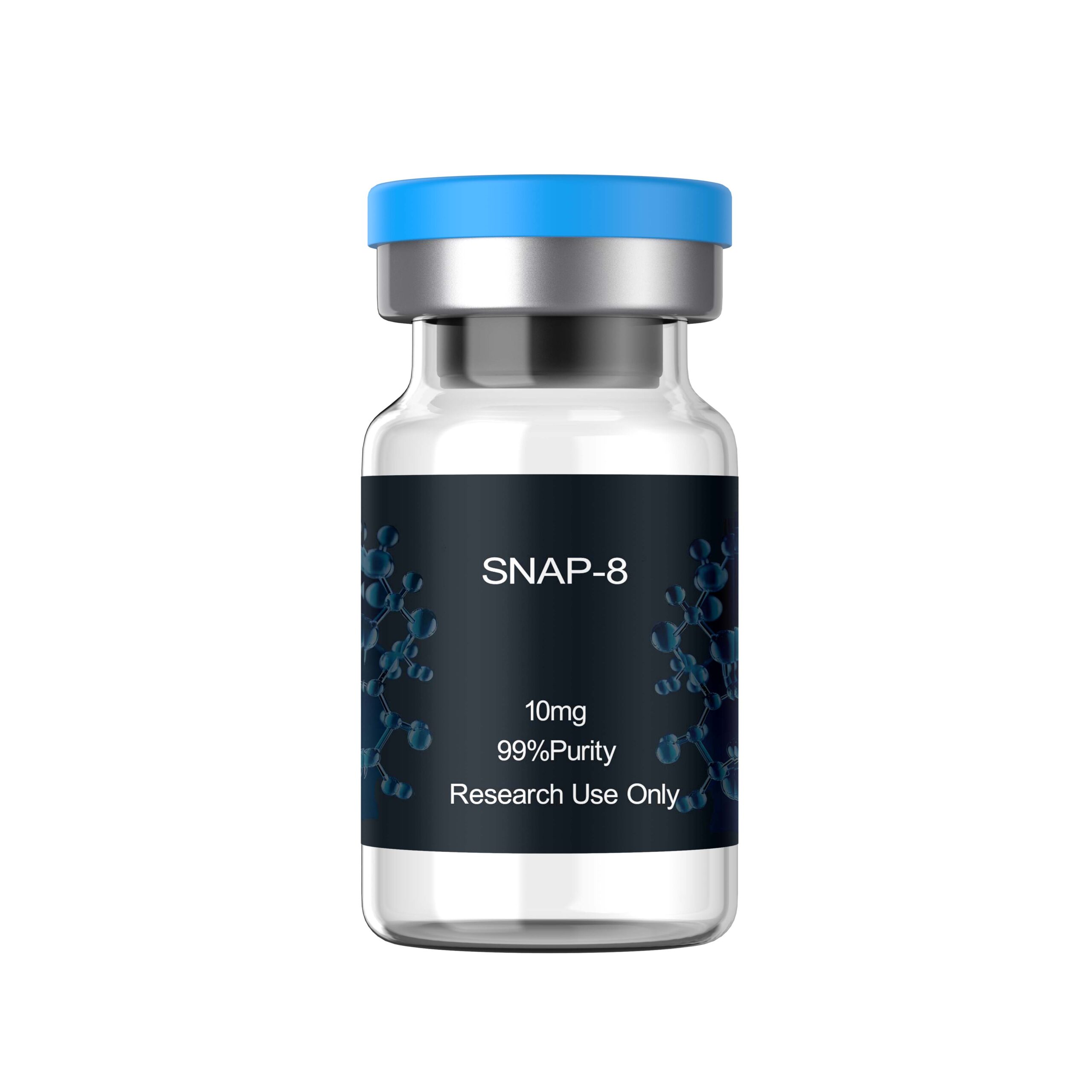
Selank represents the generic name and the main research title of this synthetic peptide compound. This compound has got a commercial branding name in specific geographical regions of Russian Federation, but it is not yet registered for commercial use in the US and most other western states. Around the world, including academic laboratories, preclinical tests, and biomedical research organizations, the compound is known by one name – Selank and has no one alternative name. It is still an investigational drug in North America and it cannot get any FDA approved commercial name for therapeutic or civilian use; thus it remains a research compound only used in neuroscience and metabolic studies.
Classification
Currently, Selank is classified as a synthetic nootropic drug and anxiolytic tuftsin-like peptide that modulates neurotransmitter receptors in the brain. Selank belongs to a special class of immunomodulatory neuroactive peptides, which makes it different from metabolic receptor agonists and classic anxiolytic drugs available in physical form. Unlike narcotic substances that bind directly to GABA A receptor operable sites, Selank works differently; this fact makes Selank an important research class compound and the tool for neuroendocrinological, psychiatric and metabolic correlation studies.
Chemical Composition
Chemically, Selank is a synthetic modified heptapeptide which is made up of a sequence of 7 amino acids, namely, Thr-Lys-Pro-Arg-Pro-Gly-Pro.Its structure is optimized on the basis of endogenous tuftsin, a natural peptide derived from immunoglobulin and consisting of four amino acids, which is further modified by a C-terminal extension containing Pro-Gly-Pro residues in order to improve its enzymatic stability and resistance to rapid degradation in vivo. This structural change significantly increases the half-life of the peptide and its bioavailability.
Compliance & Research Disclaimer
Selank Peptide is for research use only and academic experimental purposes. It is not registered as a pharmaceutical drug, dietary supplement or an over-the-counter medicine and has no clinical use approval from the FDA, EMA or other regional medical regulatory body. The product cannot be used for human clinical diagnosis, treatment of disease, oral or intravenous administration as well as commercial off-label usage. All of the product details and research data is academic in nature and not intended as medical advice or to be construed as therapeutic claims. Local laws, institutional laboratory-management requirements, and ethical-research standards must be followed by all purchasers and researchers. We shall not be liable for any unauthorized illegal use, improper operation or non-research application of the product.
Selank has a precise molecular weight of 751.86 Da and possesses a linear stable backbone which ensures its high structural purity, biological activity and low off-target efficacy that meet the requirements of research specifications.
Mechanism of Action
Receptor Activation: The pharmacological action of Selank is carried out via allosteric modulation of central GABA-A receptors which enhances the affinity of endogenous GABA for binding sites without competing for the same sites of action with classical anxiolytics. It influences the expression of BDNF and activates TrkB/MAPK-signaling pathways of neuroplasticity in the hippocampus and prefrontal cortex. Moreover, it regulates the activity of peripheral immune receptors and provides balance of inflammatory pathways in order to fulfill the dual modulation of central nervous system activities and peripheral immune homeostasis via activation of multiple targets.
Metabolic and Biological Effects: Apart from its principal anxiolytic and nootropic influence, Selank also demonstrates total metabolic and biological regulating effects seen in preclinical studies. Selank stabilizes the work of central autonomic system and helps maintain the correct metabolic balance of neurochemistry, ensures efficient work of peripheral insulin sensitivity and regulates glucose levels. Selank modulates the systemic inflammatory response and lowers chronic inflammation which is connected with metabolic diseases as well as regulates energy expenditure. Finally, Selank improves the regulation of neural sleep and helps eliminate the signs of dysfunction of the autonomic system.
Indications and Use (Based on Research)
Type 2 Diabetes Mellitus: Preclinical studies are aimed at studying the regulatory role of Selank in management of diabetes type 2. Selank contributes to inflammation of metabolism, regulation of the relationship between nervous and hormonal regulation and control of efficiency of insulin working in order to alleviate the symptoms of diabetes and reduce its complications.
Chronic Weight Control: Selank is used in research to investigate the effects of chronic weight control and obesity. Its anti-inflammatory activity is one the reasons for its positive influence on metabolic processes in the organism, which highlights its importance in research in the area of metabolic disorders.
Obstructive Sleep Apnea: Among the new studies conducted lately is a research devoted to usage of Selank in the treatment of sleep apnea. By regulating the central system of sleep, combating systemic inflammation and stabilizing the work of the autonomic system Selank provides positive outcomes in prevention of the consequences of obstructive sleep apnea.
10 Common FAQs About Peptides
- What is a peptide?
Answer: A peptide is a short chain of amino acids linked together by peptide bonds. It is smaller and more easily absorbed by the human body than proteins, serving as a fundamental functional substance in biological organisms.
- What is the difference between peptides and proteins?
Answer: The core difference lies in molecular length and structure. Peptides are short amino acid chains (usually consisting of 2–50 amino acids), while proteins are long, complex amino acid chains with stable three-dimensional structures. Peptides have stronger permeability and faster absorption efficiency than proteins.
- What are the main types of peptides?
Answer: Peptides are mainly classified by the number of amino acids: dipeptides, tripeptides, oligopeptides (2–10 amino acids) and polypeptides (10–50 amino acids). They can also be divided into natural peptides and synthetic peptides according to their sources.
- What are the biological functions of peptides?
Answer: Peptides have diverse biological activities, including regulating human metabolism, improving immune function, promoting cell repair, anti-oxidation, anti-aging, and adjusting hormone levels. They act as key signaling molecules and regulatory factors in the body.
- Are peptides safe for human use?
Answer: Most natural and medically approved synthetic peptides are highly safe. They have small molecular weight, low toxicity, and will not accumulate in the body. However, unstandardized high-dose peptide products or impure synthetic peptides may cause mild discomfort.
- What are the common applications of peptides?
Answer: Peptides are widely used in multiple fields. In biomedicine, they are made into therapeutic drugs for endocrine and immune diseases; in cosmetics, they are used for anti-aging and skin repair; in health products, they serve as nutritional supplements to improve physical fitness.
- Can the human body absorb exogenous peptides directly?
Answer: Yes. Unlike proteins that need to be decomposed before absorption, small-molecule peptides can be directly absorbed by the intestinal tract and skin with high absorption rate and utilization efficiency, and can quickly exert biological effects in the body.
- What are synthetic peptides used for?
Answer: Synthetic peptides are artificially customized amino acid chains. They are mainly used for scientific research, clinical drug development, targeted skin care ingredient production, and precise nutritional supplementation, with higher purity and targeted activity than some natural peptides.
- Do peptide products have side effects?
Answer: Standard peptide products have almost no obvious side effects for most people. Individual groups may experience mild gastrointestinal discomfort or skin sensitivity due to physical differences or excessive intake. Long-term excessive use may disrupt the body’s metabolic balance.
- What is the difference between collagen peptides and ordinary peptides?
Answer: Collagen peptides are a specific type of functional peptide extracted and decomposed from collagen, mainly targeting skin moisturizing, anti-wrinkle and joint care. Ordinary peptides cover a broader range with more diverse regulatory functions including immunity and metabolism, while collagen peptides have more focused skincare and anti-aging effects.
All of our fiber optic cable package are with export wooden drum. Indoor FTTH cable’s wooden dimension is 50x50x32cm, delivery length 3km/drum, Outdoor fiber optic cable’s wooden dimension is 110cm*110cm*70cm, 0.85CBM, can be load about 33 drums for a 20GP.Also accept custom cable drum from customers. welcome to contact us!
GYTS Direct Burial Single Armored Double Sheath Fiber Optic Cable
GYTS Fiber Optic Cable Picture
Shipping Choice |
| Shipping method | Courier | Shipping Time |
| Express Shipping | UPS | 5-15 DAY |
| Fedex | 5-15 DAY |
| Dedicated line | USPS | 7-15 DAY |
| Fedex | 7-15 DAY |
| DDP | | 10-20 DAY |