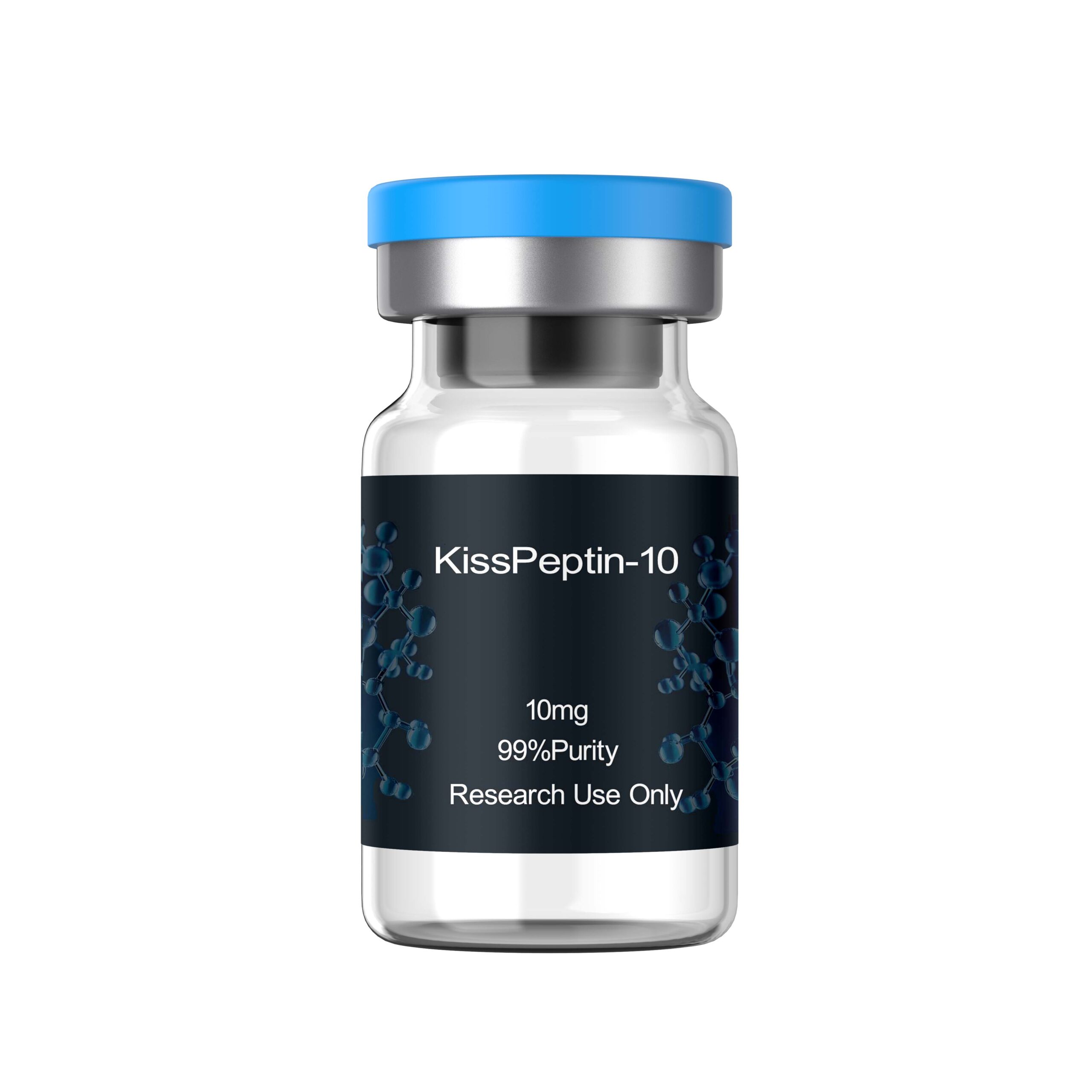
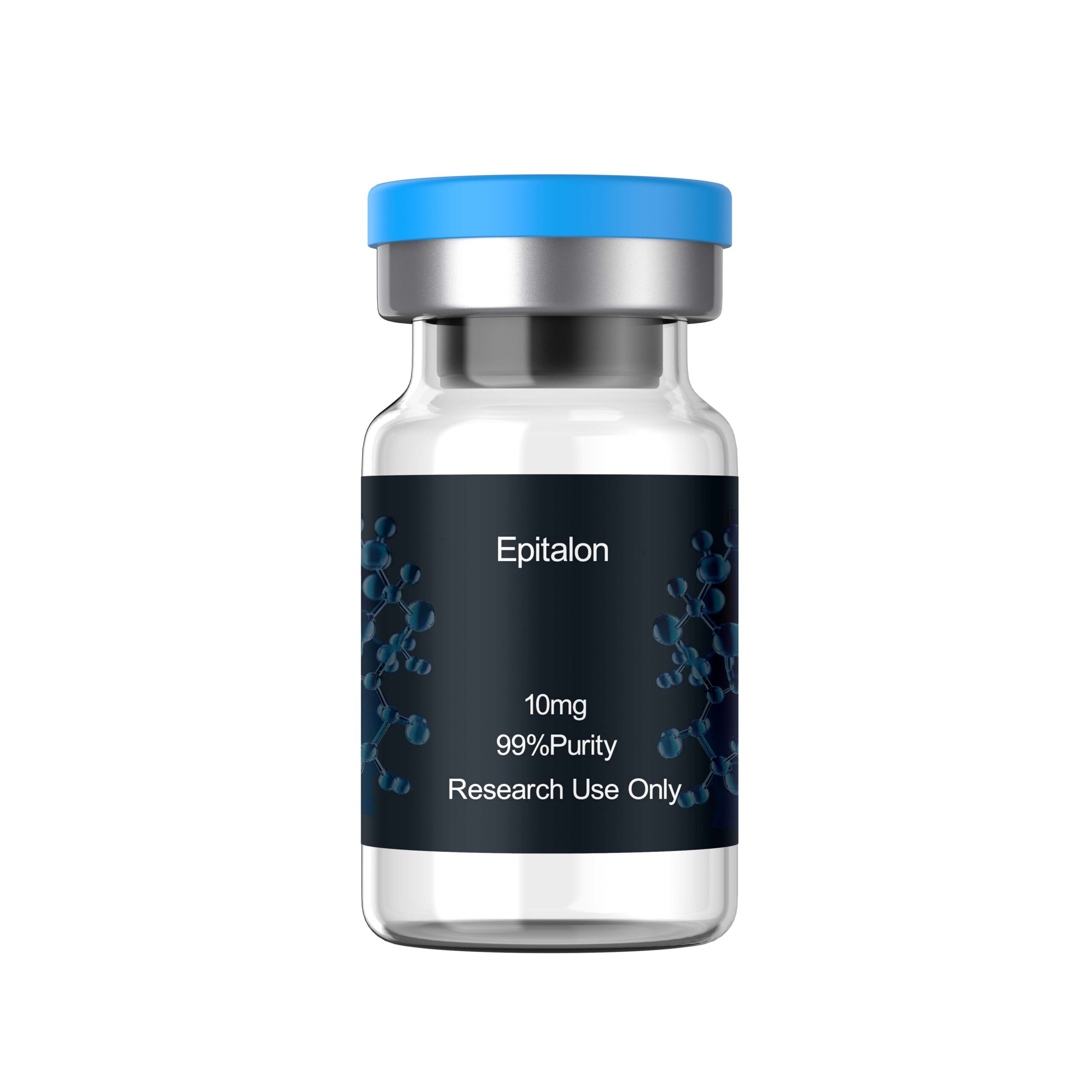
Generic Name and Brand Names: Kisspeptin. Also known as metastin (Kisspeptin-54) along with truncated versions – Kisspeptin-14 and Kisspeptin-10. It does not have any FDA-approved brands or formulations as it is mainly used as investigational peptide in preclinical and translational research.
Class of Drug: Naturally occurring G-Protein-Coupled Receptor (GPR54/KISS1R) Activator, Peptide that regulates Neuroendocrine System and Metabolism
Chemical Definition: Kisspeptin is a group of peptides which are modified artificially and biologically active neuropeptides derived from the KISS1 gene. The full-length version of kisspeptin, Kisspeptin-54 is made of 54 amino acids while the shorter version, Kisspeptin-10 consists of 10 amino acids and has the highest binding affinity with receptors. All versions of kisspeptin possess a C-terminal RF-amide motif that is essential for receptor activation. Synthetic kisspeptin is more stable in terms of enzymatic stability and half-life compared to its natural counterparts.
- Mechanism
1.1 Receptor Activation
Kisspeptin binds and activates KISS1R which is formerly known as GPR54 through being a GPCR (Gq/11) that is mainly expressed in the hypothalamuic neurons, pituitary gland and metabolic tissues. The binding of the receptors initiates the phospholipase C-beta process leading to formation of IP3 and DAG secondary messengers that result in increase of intracellular calcium and depolarization of the neuron. Through this sequence of operations, the functions of the hypothalamic-pituitary axis are properly performed without interaction with other metabolic receptors such as GLP-1 and melanocortin receptors.
Einhaltung & Haftungsausschluss für Forschung
Kisspeptin Peptide is for research use only and academic experimental purposes. It is not registered as a pharmaceutical drug, dietary supplement or an over-the-counter medicine and has no clinical use approval from the FDA, EMA or other regional medical regulatory body. The product cannot be used for human clinical diagnosis, treatment of disease, oral or intravenous administration as well as commercial off-label usage. All of the product details and research data is academic in nature and not intended as medical advice or to be construed as therapeutic claims. Local laws, institutional laboratory-management requirements, and ethical-research standards must be followed by all purchasers and researchers. We shall not be liable for any unauthorized illegal use, improper operation or non-research application of the product.
1.2 Metabolic and physical effects
It is recognized as the main regulator of reproduction neuroendocrine functions as well as having an impactful effect on the systemic metabolism.It alters the hypothalamic energy-sensing way to control the eating behavior, glucose metabolism, and fat metabolism. In animal studies, it boosts the sensitivity of insulin in peripheral tissues, facilitates the amount of glucose taken up by the body, and reduces the inflammation that leads to type 2 diabetes and obesity. Also, kisspeptin influence on the neuroendocrine activity prevents metabolic and hormonal changes caused by hypoxia in people suffering from the sleep apnea. It brings energy spending in line with fat accumulation and thus plays an important role in maintaining metabolic balance.
2.6. Therapeutic Uses (based on scientific research)
Kisspeptin has only been researched for preclinical purposes and does not have any approved therapeutic indications for people.
Type 2 Diabetes Mellitus Studies: Kisspeptin has been widely used for the research into neuroendocrine-related disorders caused by poor glucose control, insulin resistance, and metabolic problems associated with diabetes.
Obesity Studies: The drug has been applied for obesity research to find out how it influences people's eating behavior, energy spending, and metabolism of fatty tissues.
Obstructive Sleep Apnea Studies: Kisspeptin has been analyzed for its ability to normalize the neuroendocrine disorder caused by sleep apnea and restore glucose and fat metabolism in patients with sleep apnea.
- Basic Neuroendocrine Studies: Kisspeptin is used in studies on reproductive axis control and development of puberty.Dosage and Administration (Standard Laboratory Practices)
3.1 Method of Administration and Continuity
Subcutaneous route of administration and intracerebroventricular injection mode of administration represent the standard procedures in laboratories for animal studies. The subcutaneous method yields the desired results since the research is based on the principles of systemic metabolism; hence one-time administration can be adopted. In laboratory studies, administration is performed on daily basis for metabolic intervention purposes, or in some occasions the substance is administered on intermittent basis to study neuroendocrine system.
3.2 Dose Titration Schedule
The maximum dose of KISS1R can be administered daily by titration of doses; thus in the case of preclinical research in animals, the initial dose will be 1-2 nmol daily. Effective dosing in preclinical research represents doses at 5-10 nmol a day to perform neuroendocrine research and metabolical modulation. The maximum safe dose for experimentation, however, is 15 nmol a day to avoid too much stimulation of KISS1 receptor and interference with hormonal balance and metabolism.
3.3 Managing Missed Doses
The missed doses are not compensated in accordance with laboratory standards since proper record keeping is sufficient to manage skipped doses. It is necessary to keep records of doses that have been missed during the experiment to maintain cycles, and compensate for any discrepancies accordingly. It is forbidden to over-dose compensatorily since that will create problems with hormone levels.
- Dosage Forms
The sole dosage form here is a lyophilized peptide powder that requires to be dissolved in sterile bacteriostatic water since there are no methods of manufacturing oral forms.
- Status with FDA
Kisspeptin is an investigational research peptide according to the FDA classification, which means it has not been approved for clinical use. This peptide is banned from commercialization and individual administration.
10 Häufig gestellte Fragen zu Peptiden
- Was ist ein Peptid??
Antwort: Ein Peptid ist eine kurze Kette von Aminosäuren, die durch Peptidbindungen miteinander verbunden sind. Es ist kleiner und wird vom menschlichen Körper leichter aufgenommen als Proteine, dient als grundlegende funktionelle Substanz in biologischen Organismen.
- Was ist der Unterschied zwischen Peptiden und Proteinen??
Antwort: Der Hauptunterschied liegt in der Moleküllänge und -struktur. Peptide sind kurze Aminosäureketten (besteht normalerweise aus 2–50 Aminosäuren), während Proteine lang sind, komplexe Aminosäureketten mit stabilen dreidimensionalen Strukturen. Peptide haben eine stärkere Permeabilität und eine schnellere Absorptionseffizienz als Proteine.
- Was sind die wichtigsten Arten von Peptiden??
Antwort: Peptide werden hauptsächlich nach der Anzahl der Aminosäuren klassifiziert: Dipeptide, Tripeptide, Oligopeptide (2–10 Aminosäuren) und Polypeptide (10–50 Aminosäuren). Sie können entsprechend ihrer Herkunft auch in natürliche Peptide und synthetische Peptide unterteilt werden.
- Welche biologischen Funktionen haben Peptide??
Antwort: Peptide haben vielfältige biologische Aktivitäten, einschließlich der Regulierung des menschlichen Stoffwechsels, Verbesserung der Immunfunktion, Förderung der Zellreparatur, Anti-Oxidation, Anti-Aging, und Anpassung des Hormonspiegels. Sie fungieren als wichtige Signalmoleküle und regulatorische Faktoren im Körper.
- Sind Peptide für den menschlichen Gebrauch sicher??
Antwort: Die meisten natürlichen und medizinisch zugelassenen synthetischen Peptide sind äußerst sicher. Sie haben ein geringes Molekulargewicht, geringe Toxizität, und reichert sich nicht im Körper an. Jedoch, Nicht standardisierte hochdosierte Peptidprodukte oder unreine synthetische Peptide können leichte Beschwerden verursachen.
- Was sind die häufigsten Anwendungen von Peptiden??
Antwort: Peptide werden in zahlreichen Bereichen häufig eingesetzt. In der Biomedizin, Sie werden zu therapeutischen Arzneimitteln gegen endokrine und Immunerkrankungen verarbeitet; in der Kosmetik, Sie werden zum Anti-Aging und zur Hautreparatur eingesetzt; bei Gesundheitsprodukten, Sie dienen als Nahrungsergänzungsmittel zur Verbesserung der körperlichen Fitness.
- Kann der menschliche Körper exogene Peptide direkt aufnehmen??
Antwort: Ja. Im Gegensatz zu Proteinen, die vor der Absorption zersetzt werden müssen, Kleinmolekulare Peptide können mit hoher Absorptionsrate und Verwertungseffizienz direkt vom Darmtrakt und der Haut absorbiert werden, und kann schnell biologische Wirkungen im Körper entfalten.
- Wofür werden synthetische Peptide verwendet??
Antwort: Synthetische Peptide sind künstlich angepasste Aminosäureketten. Sie werden hauptsächlich für wissenschaftliche Forschung verwendet, klinische Arzneimittelentwicklung, gezielte Produktion von Hautpflegewirkstoffen, und präzise Nahrungsergänzung, mit höherer Reinheit und gezielter Aktivität als einige natürliche Peptide.
- Haben Peptidprodukte Nebenwirkungen??
Antwort: Standard-Peptidprodukte haben für die meisten Menschen fast keine offensichtlichen Nebenwirkungen. Bei einzelnen Gruppen kann es aufgrund körperlicher Unterschiede oder übermäßiger Einnahme zu leichten Magen-Darm-Beschwerden oder Hautempfindlichkeit kommen. Langfristiger übermäßiger Konsum kann das Stoffwechselgleichgewicht des Körpers stören.
- Was ist der Unterschied zwischen Kollagenpeptiden und gewöhnlichen Peptiden??
Antwort: Kollagenpeptide sind eine spezielle Art von funktionellen Peptiden, die aus Kollagen extrahiert und abgebaut werden, Hauptziel ist die Befeuchtung der Haut, Anti-Falten- und Gelenkpflege. Gewöhnliche Peptide decken ein breiteres Spektrum mit vielfältigeren regulatorischen Funktionen ab, einschließlich Immunität und Stoffwechsel, während Kollagenpeptide eine gezieltere Hautpflege- und Anti-Aging-Wirkung haben.
Alle unsere Glasfaserkabelpakete sind mit einer Export-Holztrommel ausgestattet. Die Holzabmessungen des FTTH-Kabels für den Innenbereich betragen 50 x 50 x 32 cm, Lieferlänge 3 km/Trommel, Die Holzabmessungen des Glasfaserkabels für den Außenbereich betragen 110 cm x 110 cm x 70 cm, 0.85CBM, kann ca. geladen werden 33 Trommeln für 20 GP. Akzeptieren Sie auch kundenspezifische Kabeltrommeln von Kunden. Nehmen Sie gerne Kontakt mit uns auf!
GYTS Direct Burial Einfach gepanzertes Glasfaserkabel mit Doppelmantel
GYTS-Glasfaserkabelbild
Versandauswahl |
| Versandart | Kurier | Lieferzeit |
| Expressversand | UPS | 5-15 TAG |
| Fedex | 5-15 TAG |
| Eigene Leitung | USPS | 7-15 TAG |
| Fedex | 7-15 TAG |
| DDP | | 10-20 TAG |
 Powerae.com