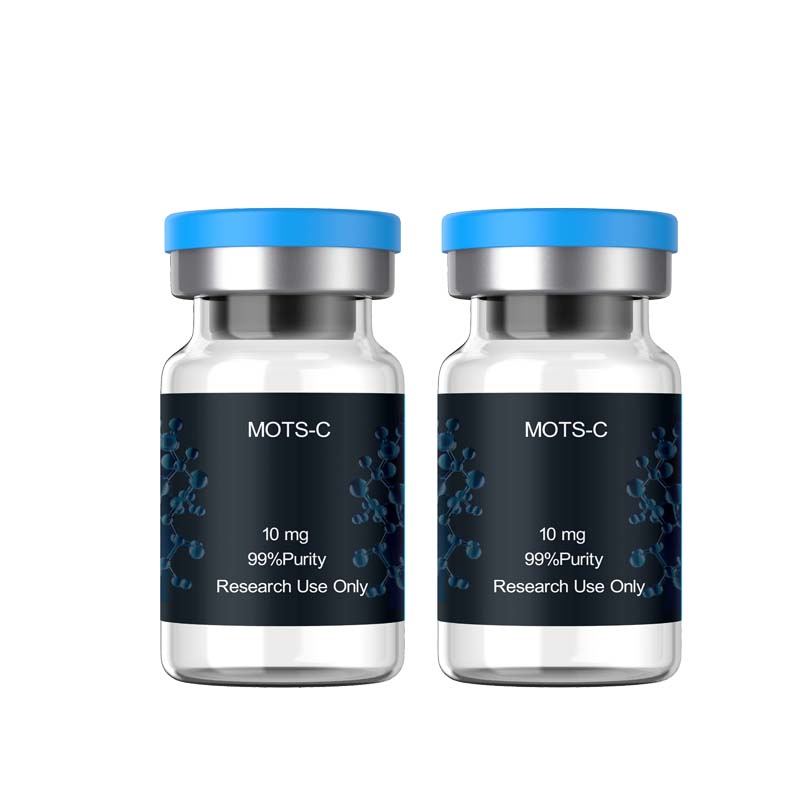
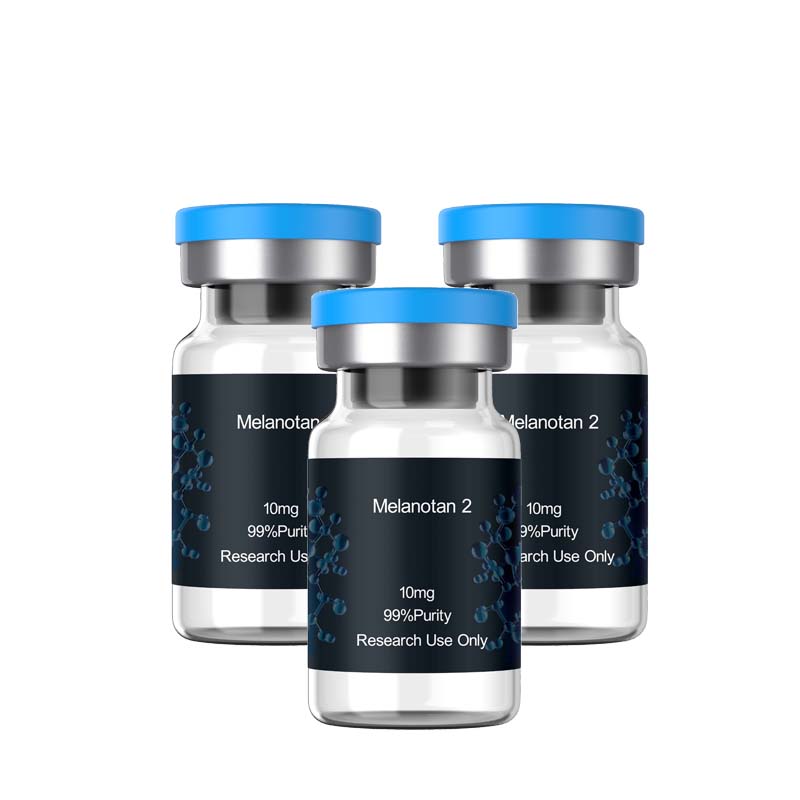
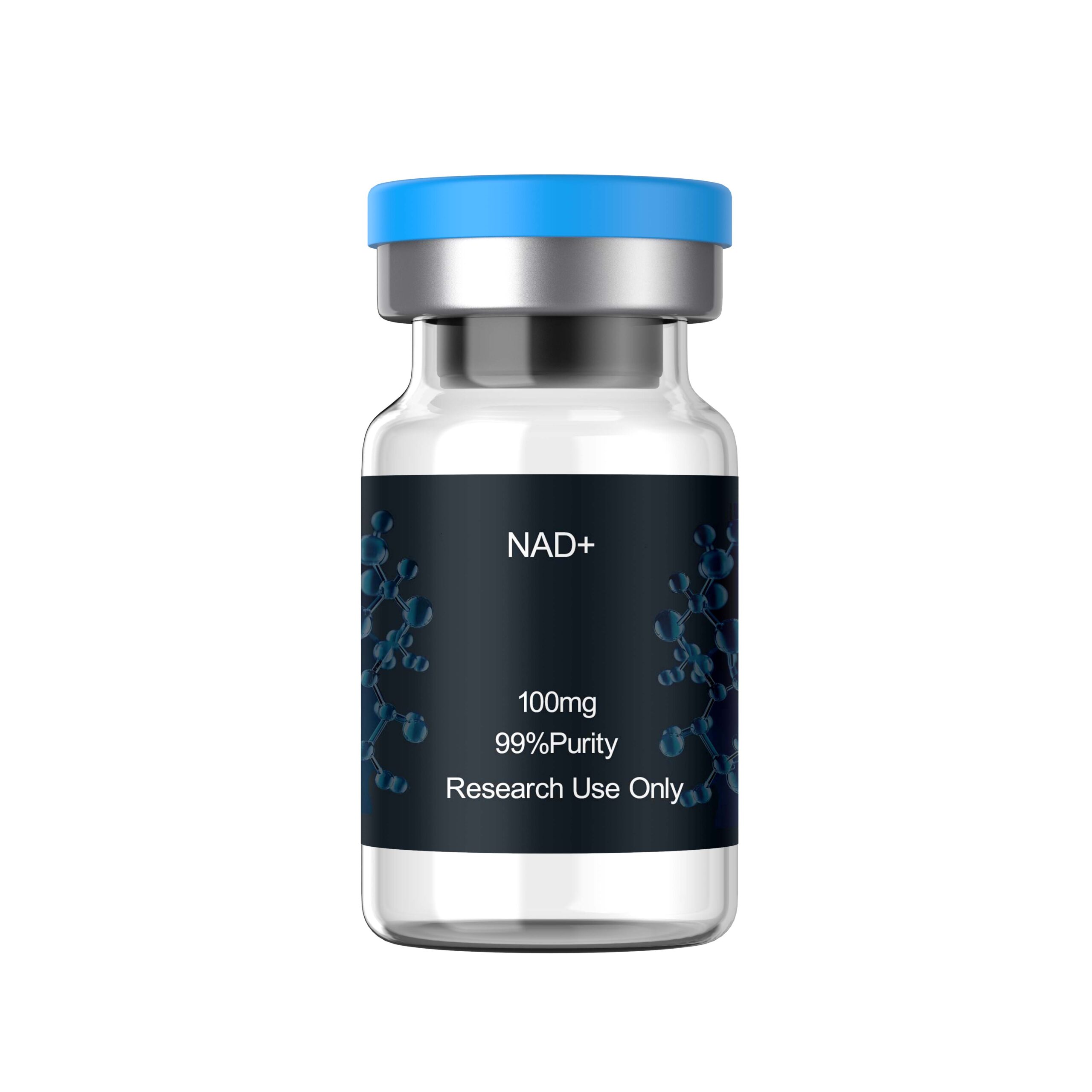
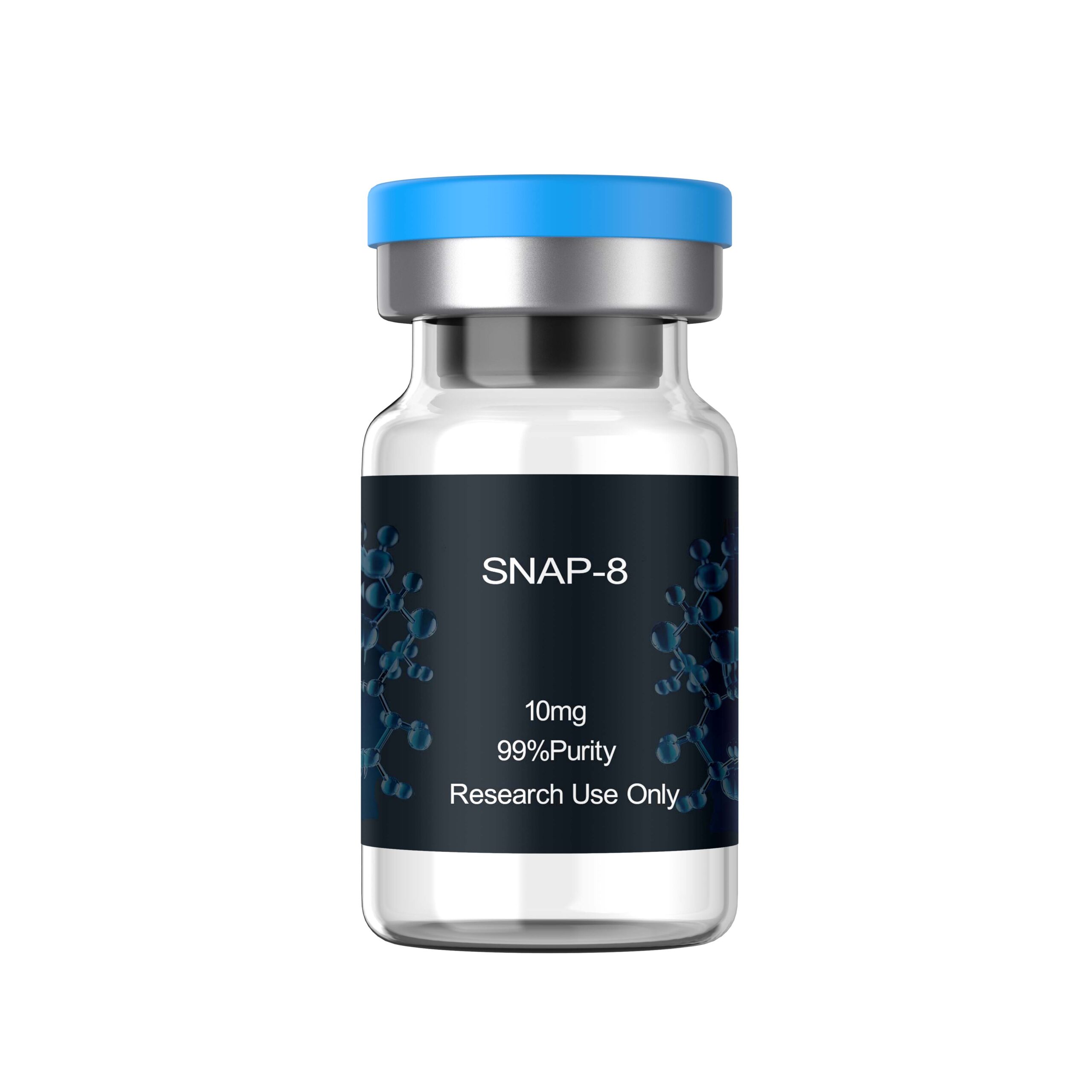
MT2, which can also be called Melanotan II, is a synthetic cyclic peptide that does not have any recognized brand names that could indicate its therapeutic use in human medicine. The term MT2 is always used alone in science and does not refer to any commercial peptide drugs that have been approved for use in human medicine and are being advertised commercially. MT2 differs from prescription peptide drugs that are being promoted as well-known brands because it remains an investigational compound that does not possess any proprietary brands for clinical use in human beings.
Clasificación
MT2 is regarded as a synthetic melanocortin receptor agonist and falls into the category of peptide-based endocrine modulators. Given that this compound is able to target and stimulate the function of many of the MCRs – melanocortin receptors, mainly MC1R and MC4R, which are spread throughout human skin and hypothalamus, it is different from GLP-1 dual agonists and other types of metabolic peptide compounds.
Chemical Aspects
In terms of chemical characteristics, MT2 is a modified cyclic heptapeptide, and its structure can be derived from the natural alpha-melanocyte-stimulating hormone (α-MSH). Because its structure has been modified through cyclization and amino acid substitution, seven amino acid residues are present in the form of a stable cyclic peptide. The chemical modification allows changing MT2 in a manner that will allow this compound to be more stable and remain biologically active for a long time than its natural counterpart.
Compliance & Research Disclaimer
MT2 Peptide is for research use only and academic experimental purposes. It is not registered as a pharmaceutical drug, dietary supplement or an over-the-counter medicine and has no clinical use approval from the FDA, EMA or other regional medical regulatory body. The product cannot be used for human clinical diagnosis, treatment of disease, oral or intravenous administration as well as commercial off-label usage. All of the product details and research data is academic in nature and not intended as medical advice or to be construed as therapeutic claims. Local laws, institutional laboratory-management requirements, and ethical-research standards must be followed by all purchasers and researchers. We shall not be liable for any unauthorized illegal use, improper operation or non-research application of the product.
Working Mechanism
Receptor Activation: The main pharmacological action of MT2 is its selective stimulation of melanocortin receptors.It displays significant binding activity towards the hypothalamic MC4R receptor which plays a vital role in controlling energy balance and appetite as well as towards the skin MC1R which is needed to produce melanin. In addition, activation of other types of the MCR receptor also helps to regulate the metabolism of the organism. The binding process is dose-dependent constituting an effective mechanism for long-term effects on physiological parameters in experimental testings.
Metabolic & Physiological Effects: The effects of MT2 on human metabolism and physiology are numerous and as varied as possible. The first and, one could say, principal effect that can be observed from the activation of the receptor, is appetite suppression in the hypothalamus, which leads to food consumption reduction and central satiety improvement. As to the peripheral mechanisms, MT2 boosts lipolysis and speeding up fat metabolism. Apart from this, the receptor is known to regulate gastric emptying which should lead to longer satiation after meals.
Indications & Usage (Research-Based)
Type 2 Diabetes Mellitus: According to the data obtained from preclinical trials with MT2, it is believed to have a supporting effect on patients suffering from type 2 Diabetes Mellitus because it is able to enhance insulin sensitivity, increase glucose absorption and decrease peripheral insulin resistance levels.
Chronic Weight Management: Curiously enough, one of the major fields of research is the application of MT2 for the chronic weight management.Two of its functions pertaining to curbing hunger and breaking down fat validate the analysis of the long-term management of weight, approaches to the treatment of obesity, and the prevention of metabolic disorders because of too much fat.
Obstructive Sleep Apnea: New preclinical investigations check how MT2 can help in the control of obstructive sleep apnea. The help is attained by lowering metabolic inflammation and improving fat distribution.
Dosage & Administration (Research Use Only)
Route & Frequency: In lab research, MT2 is taken in a formulation of a subcutaneous injection, which is regarded as the safest and best way for injecting peptides into the bloodstream. The high level of skill and knowledge allows us to control and repeat the administration once a day at one and the same time to make sure that the effect of the drug remains unchanged.
Titration Schedule: The usual titration protocol involves increasing doses gradually. The first dose is the smallest one that allows the researchers to see how tolerable the effect is. The doses are then increased depending on the stage of the research and the patients’ responses. The maximum dose of any substance must be specified in advance to ward off toxic effects.
Missed Dose Management: In the event a research dose is missed, the injection should be skipped at once, but the administration should resume as usual on the following day. Taking the missed dose is prohibited.
Dosage Forms
MT2 is available only in the form of lyophilized powder in sterile bottles to keep it chemically stable. It needs to be dissolved in the sterile bacteriostatic water before it is taken to inject the substance.
FDA Restriction
The U.S. Federal Drug Administration states clearly that MT2 is only for research purposes and is prohibited for sale or use in any clinical settings, as well as by the general public. All the activities associated with MT2 must be conducted in strictly academic and scientific institutions.
10 Preguntas frecuentes comunes sobre los péptidos
- ¿Qué es un péptido??
Respuesta: Un péptido es una cadena corta de aminoácidos unidos entre sí por enlaces peptídicos.. Es más pequeño y el cuerpo humano lo absorbe más fácilmente que las proteínas., Sirviendo como sustancia funcional fundamental en los organismos biológicos..
- ¿Cuál es la diferencia entre péptidos y proteínas??
Respuesta: La diferencia principal radica en la longitud y la estructura molecular.. Los péptidos son cadenas cortas de aminoácidos. (generalmente consta de 2 a 50 aminoácidos), mientras que las proteínas son largas, cadenas de aminoácidos complejas con estructuras tridimensionales estables. Los péptidos tienen una permeabilidad más fuerte y una eficiencia de absorción más rápida que las proteínas..
- ¿Cuáles son los principales tipos de péptidos??
Respuesta: Los péptidos se clasifican principalmente por el número de aminoácidos.: dipéptidos, tripéptidos, oligopéptidos (2–10 aminoácidos) y polipéptidos (10–50 aminoácidos). También se pueden dividir en péptidos naturales y péptidos sintéticos según sus fuentes..
- ¿Cuáles son las funciones biológicas de los péptidos??
Respuesta: Los péptidos tienen diversas actividades biológicas., incluyendo la regulación del metabolismo humano, mejorar la función inmune, promoviendo la reparación celular, antioxidante, antienvejecimiento, y ajustar los niveles hormonales. Actúan como moléculas de señalización clave y factores reguladores en el cuerpo..
- ¿Son los péptidos seguros para uso humano??
Respuesta: La mayoría de los péptidos sintéticos naturales y médicamente aprobados son muy seguros.. Tienen un peso molecular pequeño., baja toxicidad, y no se acumulará en el cuerpo. Sin embargo, Los productos peptídicos no estandarizados en dosis altas o los péptidos sintéticos impuros pueden causar una leve molestia..
- ¿Cuáles son las aplicaciones comunes de los péptidos??
Respuesta: Los péptidos se utilizan ampliamente en múltiples campos.. en biomedicina, se convierten en medicamentos terapéuticos para enfermedades endocrinas e inmunes.; en cosmetica, Se utilizan para antienvejecimiento y reparación de la piel.; en productos de salud, Sirven como complementos nutricionales para mejorar la condición física..
- ¿Puede el cuerpo humano absorber péptidos exógenos directamente??
Respuesta: Sí. A diferencia de las proteínas que deben descomponerse antes de su absorción., Los péptidos de molécula pequeña pueden ser absorbidos directamente por el tracto intestinal y la piel con una alta tasa de absorción y eficiencia de utilización., y puede ejercer rápidamente efectos biológicos en el cuerpo..
- ¿Para qué se utilizan los péptidos sintéticos??
Respuesta: Los péptidos sintéticos son cadenas de aminoácidos modificadas artificialmente.. Se utilizan principalmente para investigaciones científicas., desarrollo clínico de fármacos, producción específica de ingredientes para el cuidado de la piel, y una suplementación nutricional precisa, con mayor pureza y actividad específica que algunos péptidos naturales.
- ¿Los productos peptídicos tienen efectos secundarios??
Respuesta: Los productos peptídicos estándar casi no tienen efectos secundarios obvios para la mayoría de las personas.. Los grupos individuales pueden experimentar molestias gastrointestinales leves o sensibilidad en la piel debido a diferencias físicas o ingesta excesiva.. El uso excesivo a largo plazo puede alterar el equilibrio metabólico del cuerpo..
- ¿Cuál es la diferencia entre los péptidos de colágeno y los péptidos ordinarios??
Respuesta: Los péptidos de colágeno son un tipo específico de péptido funcional extraído y descompuesto del colágeno., dirigido principalmente a la hidratación de la piel, cuidado antiarrugas y articulaciones. Los péptidos ordinarios cubren una gama más amplia con funciones reguladoras más diversas, incluidas la inmunidad y el metabolismo., mientras que los péptidos de colágeno tienen efectos más enfocados en el cuidado de la piel y antienvejecimiento..
Todos nuestros paquetes de cables de fibra óptica tienen tambor de madera de exportación.. La dimensión de madera del cable FTTH para interiores es 50x50x32cm, longitud de entrega 3 km/tambor, La dimensión de madera del cable de fibra óptica para exteriores es de 110 cm x 110 cm x 70 cm., 0.85CBM, se puede cargar 33 tambores para un 20GP. También acepte tambores de cable personalizados de los clientes. bienvenido a contactarnos!
Cable de fibra óptica de doble funda blindado de entierro directo GYTS
Imagen del cable de fibra óptica GYTS
Elección de envío |
| Método de envío | Mensajero | Tiempo de envío |
| Envío expreso | Unión Postal Universal | 5-15 DÍA |
| fedex | 5-15 DÍA |
| Línea dedicada | USPS | 7-15 DÍA |
| fedex | 7-15 DÍA |
| DDP | | 10-20 DÍA |
 Powerae.com