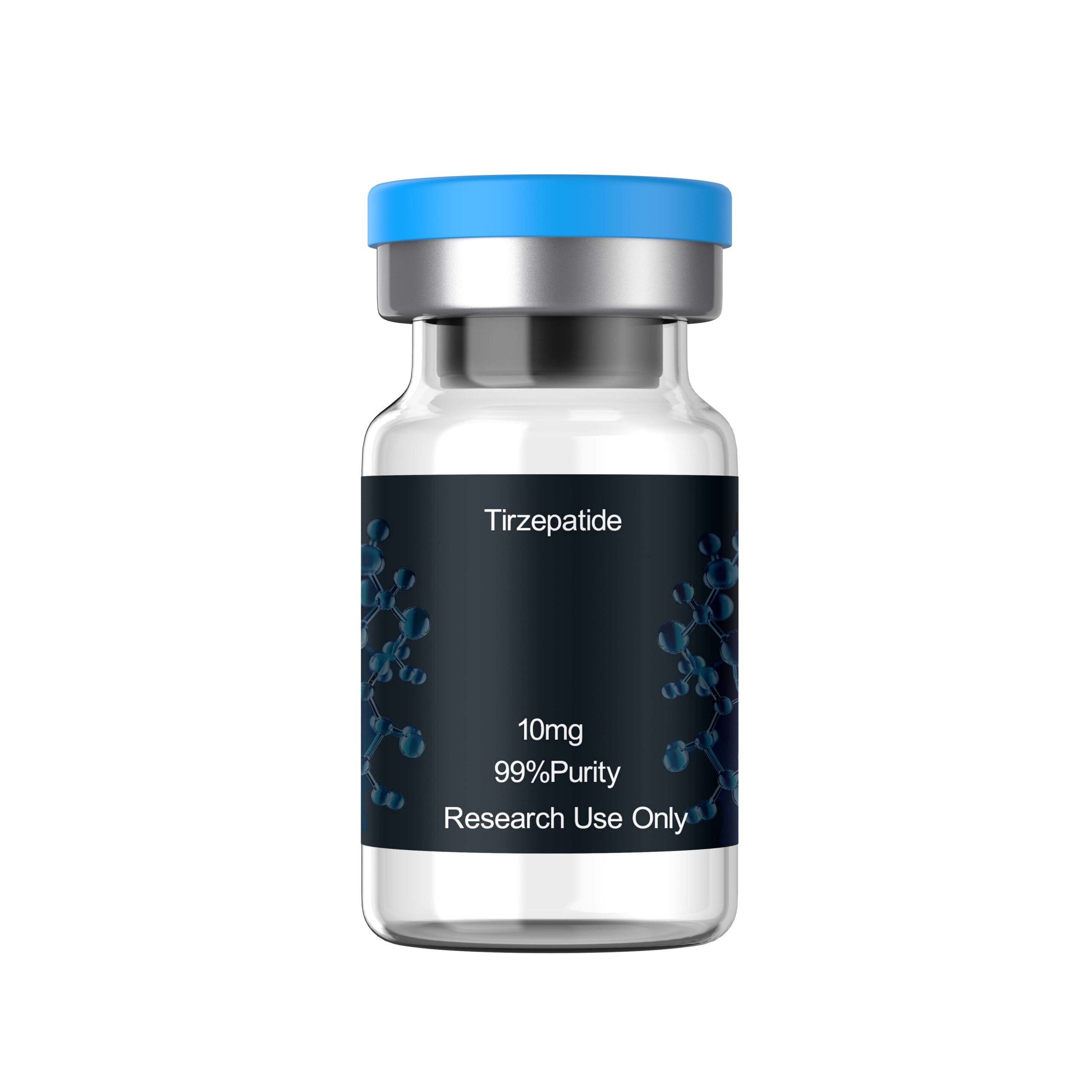
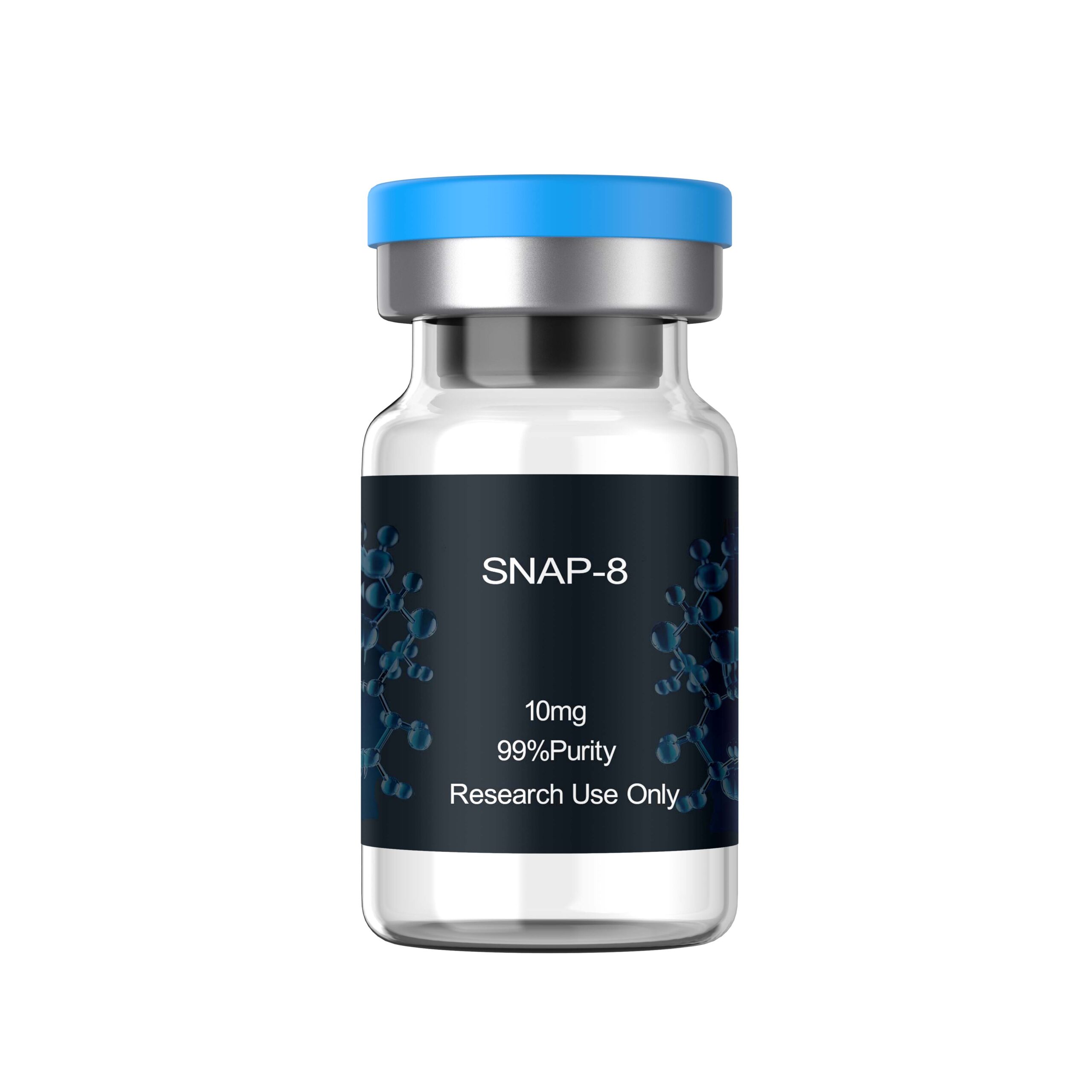
Description of Oxytocin Peptide
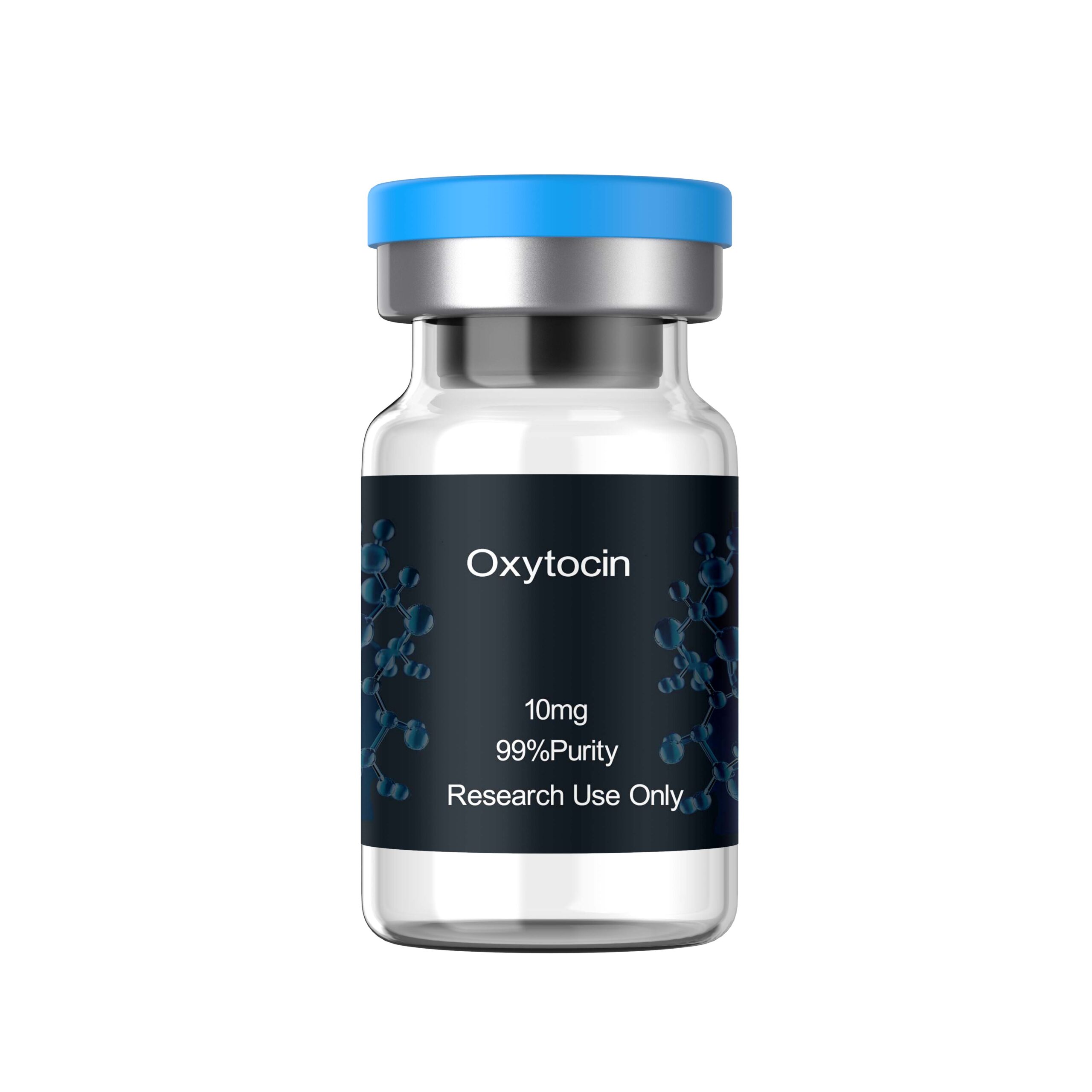
Name of Generic Drug: Oxytocin. Oxytocin is a well-known endogenous neuropeptide as well as a synthetic research peptide. There are many brand names for this drug in the medical field. Cependant, the synthetic research form of this drug is not known by any specific name. The generic name considered for research purposes is Oxytocin, and this drug is viewed as a biological peptide in the research conducted in the metabolic, neurological, and physiological fields.
Class of Drug: Oxytocin Receptor (OXTR) Agonist
Chemical Description: Oxytocin is a neuropeptide composed of nine amino acids linked by disulfide bonds between two cysteine residues at sites 1 and 6 forming a cyclic structure. The synthetic research version of this drug preserves the natural amino acid sequence of this consequently exhibiting a stable structure making this drug quite biologically active. The cyclic structure of this drug will ensure that it is not targeted during proteolytic degradation unlike linear synthetic peptides.
- Working
1.1 Activation of Receptor
Oxytocin works by stimulating the Oxytocin Receptor (OXTR), the receptor which belongs to the GQ group and is present in the central nervous system, adipose tissue, pancreas and vascular tissues. The stimulation of the receptor further
1.2 Effects on Metabolism and Physiology
Aside from its well-known functions in regulating the social behavior and reproduction of individuals, oxytocin has important functions in regulating various aspects of metabolism, as described in numerous preclinical studies. It modifies the functions of the pancreas in such a way as to improve insulin secretion and to increase peripheral tissue insulin sensitivity. As a result, oxytocin is able to reduce the effects of insulin resistance. Moreover, this peptide regulates lipid metabolism by increasing lipid mobilization and reducing fat accumulation, which helps prevent chronic weight gain. Furthermore, oxytocin decreases the activity of the sympathetic nervous system, thereby reducing the level of chronic inflammation and preventing various metabolic and physiological disorders.
Compliance & Research Disclaimer
Oxytocin Peptide is for research use only and academic experimental purposes. It is not registered as a pharmaceutical drug, dietary supplement or an over-the-counter medicine and has no clinical use approval from the FDA, EMA or other regional medical regulatory body. The product cannot be used for human clinical diagnosis, treatment of disease, oral or intravenous administration as well as commercial off-label usage. All of the product details and research data is academic in nature and not intended as medical advice or to be construed as therapeutic claims. Local laws, institutional laboratory-management requirements, and ethical-research standards must be followed by all purchasers and researchers. We shall not be liable for any unauthorized illegal use, improper operation or non-research application of the product.
- Uses and Indications
Synthetic oxytocin of research grade is used solely for preclinical research and any use of oxytocin for humans is not permitted.
Research Related to Diabetes Mellitus Type II – Used for studies regarding the mechanisms to improve insulin sensitivity, protect pancreatic beta cells, and block the processes of chronic inflammation in diabetes.
Weight Control Research – Involved in studies examining the mechanisms of obesity with regard to the control of the energy balance, reduction in visceral obesity, and improvement in obesity-related metabolic syndrome.
Research RelatedFundamental neurophysiological research has presented an important experimental tool for the study of neuropsychiatric regulation, modulation of stress response, and balance of the neuroendocrine axis during preclinical studies.
- Dosage and administration (Generic Standard Procedure of Research Laboratory)
3.1 Routes and frequency
Systematic administration methods in the research laboratory involve subcutaneous administration, intraperitoneal administration, and intranasal administration. Subcutaneous administration is mainly chosen for the purpose of systemic study of metabolism due to high safety of bioavailability and ease to use. The usual frequency of using the administration in practice is once a day for conducting long-term metabolism experiments (e.g., passive metabolic interventions) while variable doses are used with the aim of making qualitative assessments of the acute physiological effects.
3.2 Titration schedule
The starting dose of oxytocin for the intended observations for preclinical animal research ranges from 0.1 to 0.5 IU daily. The dose for the medium level of effectiveness is 1-2IU. The maximum experimental dose of oxytocin is limited to 5 IU daily, as higher doses may lead to over-activation of the OXTR, disturbances in hormonal values, and adverse cardiovascular events.
3.3 Missed dose
There is no need for supplementation of the dose that was missed in the course of standardized laboratory research. It is important for the researchers to keep accurate records of the missed dose.
- Forms
Research-grade oxytocin has a single dosage form depicted as lyophilized sterile peptide powder. A sterile bacteriostatic water or a saline solution is to be used for the reconstitution of the powder dosage form for further injection or for carrying out intranasal administration. The powder is kept in a dry and dark place to maintain its effectiveness and stability for long periods since there is no possibility of any oral drug presentation.
- FDA Regulations
The FDA acknowledges oxytocin administered in a clinical setting differently from the research-grade oxytocin peptide. Synthetic research-grade oxytocin peptide is not allowed to be used for the needs of patients and for any other cosmetic or daily consumption purposes. The application of research-grade oxytocin is permitted solely to qualified laboratories, institutions of scientific research work, and preclinical research teams.
10 FAQ courantes sur les peptides
- Qu'est-ce qu'un peptide?
Répondre: Un peptide est une courte chaîne d'acides aminés liés entre eux par des liaisons peptidiques.. Il est plus petit et plus facilement absorbé par le corps humain que les protéines, servir de substance fonctionnelle fondamentale dans les organismes biologiques.
- Quelle est la différence entre les peptides et les protéines?
Répondre: La principale différence réside dans la longueur et la structure moléculaires. Les peptides sont de courtes chaînes d'acides aminés (composé généralement de 2 à 50 acides aminés), alors que les protéines sont longues, chaînes d'acides aminés complexes avec des structures tridimensionnelles stables. Les peptides ont une perméabilité plus forte et une efficacité d'absorption plus rapide que les protéines.
- Quels sont les principaux types de peptides?
Répondre: Les peptides sont principalement classés selon le nombre d'acides aminés: dipeptides, tripeptides, oligopeptides (2–10 acides aminés) et polypeptides (10–50 acides aminés). Ils peuvent également être divisés en peptides naturels et peptides synthétiques selon leurs sources..
- Quelles sont les fonctions biologiques des peptides?
Répondre: Les peptides ont diverses activités biologiques, y compris la régulation du métabolisme humain, améliorer la fonction immunitaire, favoriser la réparation cellulaire, anti-oxydation, anti-âge, et ajuster les niveaux d'hormones. Ils agissent comme des molécules de signalisation clés et des facteurs régulateurs dans l’organisme..
- Les peptides sont-ils sans danger pour l’usage humain?
Répondre: La plupart des peptides synthétiques naturels et médicalement approuvés sont hautement sûrs. Ils ont un petit poids moléculaire, faible toxicité, et ne s'accumulera pas dans le corps. Cependant, les produits peptidiques à forte dose non standardisés ou les peptides synthétiques impurs peuvent provoquer un léger inconfort.
- Quelles sont les applications courantes des peptides?
Répondre: Les peptides sont largement utilisés dans de multiples domaines. En biomédecine, ils sont transformés en médicaments thérapeutiques pour les maladies endocriniennes et immunitaires; en cosmétique, ils sont utilisés pour l'anti-âge et la réparation de la peau; dans les produits de santé, ils servent de compléments nutritionnels pour améliorer la forme physique.
- Le corps humain peut-il absorber directement les peptides exogènes?
Répondre: Oui. Contrairement aux protéines qui doivent être décomposées avant absorption, les peptides à petites molécules peuvent être directement absorbés par le tractus intestinal et la peau avec un taux d'absorption et une efficacité d'utilisation élevés, et peut rapidement exercer des effets biologiques sur le corps.
- A quoi servent les peptides synthétiques?
Répondre: Les peptides synthétiques sont des chaînes d'acides aminés artificiellement personnalisées. Ils sont principalement utilisés pour la recherche scientifique, développement de médicaments cliniques, production ciblée d’ingrédients de soins de la peau, et une supplémentation nutritionnelle précise, avec une pureté et une activité ciblée supérieures à celles de certains peptides naturels.
- Les produits peptidiques ont-ils des effets secondaires?
Répondre: Les produits peptidiques standards n’ont presque aucun effet secondaire évident pour la plupart des gens. Les groupes individuels peuvent ressentir un léger inconfort gastro-intestinal ou une sensibilité cutanée en raison de différences physiques ou d'une consommation excessive.. Une consommation excessive à long terme peut perturber l’équilibre métabolique de l’organisme..
- Quelle est la différence entre les peptides de collagène et les peptides ordinaires?
Répondre: Les peptides de collagène sont un type spécifique de peptide fonctionnel extrait et décomposé du collagène., ciblant principalement l'hydratation de la peau, soin anti-rides et articulations. Les peptides ordinaires couvrent une gamme plus large avec des fonctions de régulation plus diverses, notamment l'immunité et le métabolisme., tandis que les peptides de collagène ont des effets de soin et anti-âge plus ciblés..
Tous nos paquets de câbles à fibres optiques sont dotés d'un tambour en bois d'exportation. La dimension en bois du câble FTTH intérieur est de 50x50x32cm, longueur de livraison 3 km/tambour, La dimension en bois du câble à fibre optique extérieur est de 110 cm x 110 cm x 70 cm., 0.85CBM, peut être chargé environ 33 tambours pour un 20GP. Acceptez également les tambours de câble personnalisés des clients. bienvenue à nous contacter!
Câble à fibre optique blindé simple à double gaine à enterrement direct GYTS
Image du câble à fibre optique GYTS
Choix d'expédition |
| Méthode d'expédition | Courrier | Délai d'expédition |
| Expédition express | UPS | 5-15 JOUR |
| FedEx | 5-15 JOUR |
| Ligne dédiée | USPS | 7-15 JOUR |
| FedEx | 7-15 JOUR |
| DDP | | 10-20 JOUR |
 Powerae.com