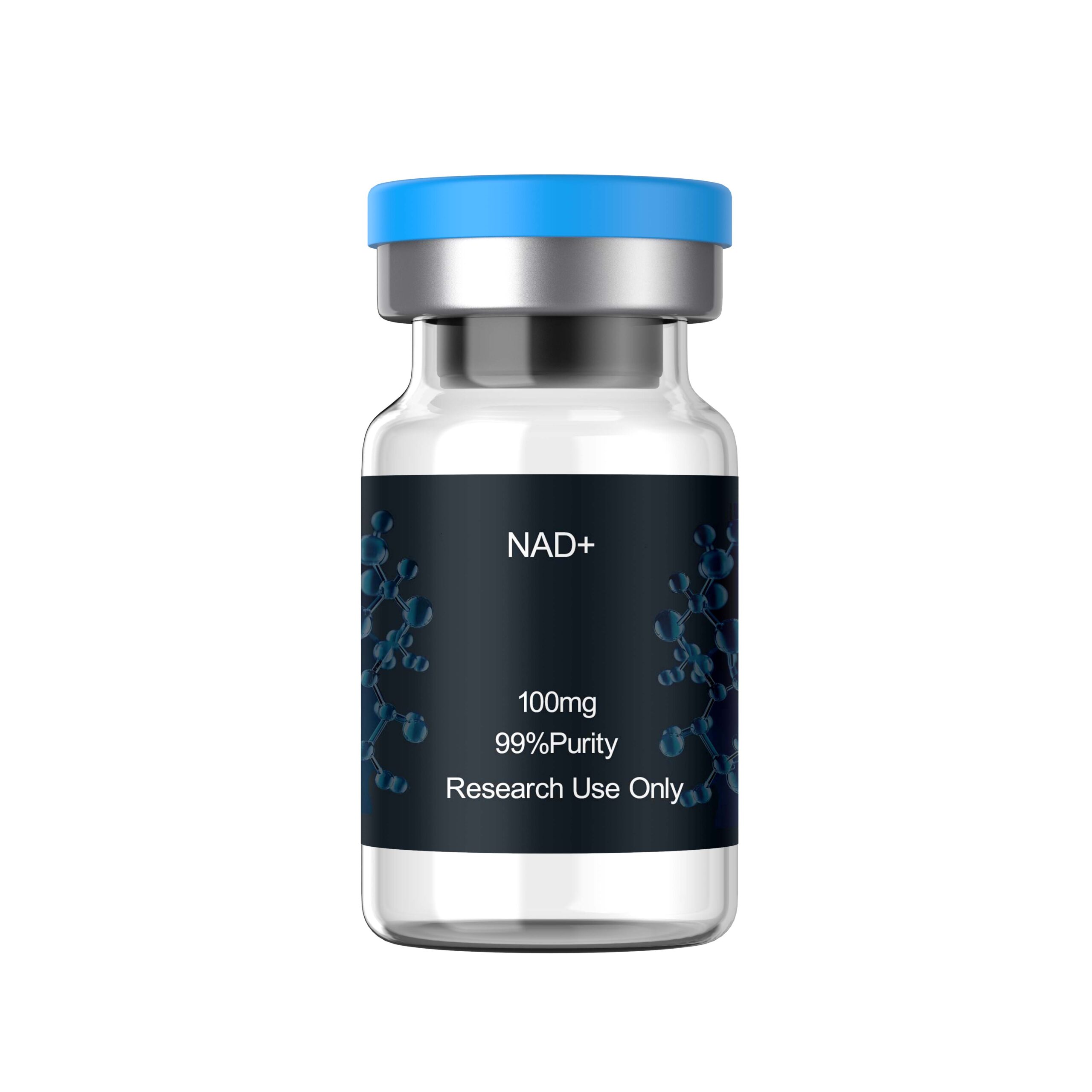
Generic name and Commercial Branding
PT141 is generally termed Bremelanotide. Bremelanotide is identified as a synthetic bioactive peptide with a commercial trading name of Vyleesi. Originally conceived to serve as a research-grade melanocortin modulator, it eventually secured FDA approval for specific clinical applications. In academic research forums, it is known by its experimental code PT141 for reference, while as a generic name in the medical domain, it is officially referred to as Bremelanotide.
Pharmaceutical Category
PT141 has the distinction of belonging to the unique class of medications known as synthetic central MC receptor agonists. Unlike other groups of medications such as peripheral vasodilators, this drug mainly works by driving the action of specific central neuroendocrine MC receptors. In other words, compared to other medications, PT141 mainly works in the central nervous system which possesses the MC3R and MC4R receptors in the hypothalamic and limbic regions of the brain. Because of this unique mode of action, it occupies a central position in research into neuroendocrine and reproductive endocrinology.
Chemical Profile
From a chemical perspective, PT141 is classified as a cyclic and stabilized heptapeptide obtained from the endogenous alpha-melanocyte-stimulating hormone (α-MSH) and is comprised of seven amino acids. The particularity of the structural configuration of PT141 provides it with an improved enzymatic stability and extended in vivo half-life compared to α-MSH. As a result, due to its compact cyclic peptide backbone, this pharmaceutical possesses a high binding specificity to the receptors.
Compliance & Research Disclaimer
PT141 Peptide is for research use only and academic experimental purposes. It is not registered as a pharmaceutical drug, dietary supplement or an over-the-counter medicine and has no clinical use approval from the FDA, EMA or other regional medical regulatory body. The product cannot be used for human clinical diagnosis, treatment of disease, oral or intravenous administration as well as commercial off-label usage. All of the product details and research data is academic in nature and not intended as medical advice or to be construed as therapeutic claims. Local laws, institutional laboratory-management requirements, and ethical-research standards must be followed by all purchasers and researchers. We shall not be liable for any unauthorized illegal use, improper operation or non-research application of the product.
Mechanism of Action
Mechanism of Action: PT141 acts mainly due to the activation of the central MC4R receptors as well as a moderate activation ofThese receptors play an important role in the modulation of the human neuroendocrine system, sexual desire, and the control of energy levels. PT141 works differently from other agents targeted against vascular systems in that this compound works exclusively on the central nervous system and does not influence peripheral systems. The concentration of the compound affects the receptor stimulation and achieves steady neural effects in experimental studies.
Effects on Metabolism and Physiology: In addition to proven neurosexual regulation, PT141 is involved in many metabolic and physiological processes. The activation of central receptors affects endocrine processes and metabolism and improves energy metabolism. The compound has a slight impact on insulin sensitivity and glucose distribution in the body and prevents diseases associated with inflammation of metabolic tissues. Inoltre, it influences the functioning of the autonomic nervous system, affecting the motility of the digestive tract and metabolic processes.
Applications and Indications Based on Research
Type 2 Diabetes: Nowadays, researchers extend the investigation of the role PT141 plays in T2 diabetes treatment. The central and peripheral functions of the compound lead to the improvement of the metabolism and diabetes symptoms.
Weight Loss: As part of studies on long-term weight loss, the use of PT141 in controlling weight and fat deposits in the body is under investigation. By influencing the processes occurring in the hypothalamus, the compound helps to achieve proper weight management and fat burn.Obstructive Sleep Apnea. Emerging preclinical studies investigate PT141’s potential adjuvant role in obstructive sleep apnea. It can reduce the amount of soft tissue in the upper airways through systemic metabolic inflammatory improvements and regulation of fat distribution thus providing an avenue for non-pharmacological adjuvancy study of OSA.
Dosage and Administration
Route of administration and frequency of research. PT141 is injected subcutaneously in controlled laboratory investigations to prompt rapid and stable systemic absorption. The frequency of administration in actual investigations is determined by the experimental design, usually involving either one single injection per day or as needed to maintain a steady state of central receptor activation.
Titration protocol. PT141 titration starts off with a low dose to determine biological tolerance and subsequently lowers or raises the dosage according to the physiologic parameters of the experiment. Multiple sets of experiments are conducted to raise the dosage to the previously fixed maximum research dose of PT141 to ensure the safety of the experiment and valid results.
Missed Dose Situation. If the scheduled dose is missed during the experiments, it should be discarded right away as soon as the problem is noticed. All that remains to be done is to keep the same dosing schedule on the next day.
Forms of the Dosage
PT141 is available only as sterile lyophilized peptide powder in vacuum vials for research purposes that prevents the influence of moisture and air which would make stability and biological activity of the peptide higher. Before administration, the powder should be reconstituted using sterile bacteriostatic water. No tablets, capsules, or any other commercially available product can be issued for research use.
FDA Restriction.
While PT141 (bremelanotide) has been approved by FDA for certain clinical uses, it clearly states that the research grade PT141 is a substance used only for institutional scientific studies. The FDA prohibits the commercial sale or use of bulk non-approved peptides or other compounds. There should be no commercialization, self-medication, cosmetic use, or other forms of off-label therapy. All in vitro and in vivo research should be done by appropriate research establishments in accordance with FDA qualifications for peptide investigational compounds.
10 Domande frequenti comuni sui peptidi
- Cos'è un peptide?
Risposta: Un peptide è una catena corta di amminoacidi legati tra loro da legami peptidici. È più piccolo e viene assorbito più facilmente dal corpo umano rispetto alle proteine, servire come sostanza funzionale fondamentale negli organismi biologici.
- Qual è la differenza tra peptidi e proteine?
Risposta: La differenza fondamentale risiede nella lunghezza e nella struttura molecolare. I peptidi sono brevi catene di aminoacidi (solitamente costituito da 2-50 aminoacidi), mentre le proteine sono lunghe, catene di aminoacidi complesse con strutture tridimensionali stabili. I peptidi hanno una permeabilità più forte e un’efficienza di assorbimento più rapida rispetto alle proteine.
- Quali sono i principali tipi di peptidi?
Risposta: I peptidi sono classificati principalmente in base al numero di aminoacidi: dipeptidi, tripeptidi, oligopeptidi (2–10 aminoacidi) e polipeptidi (10–50 aminoacidi). Possono anche essere suddivisi in peptidi naturali e peptidi sintetici a seconda della loro fonte.
- Quali sono le funzioni biologiche dei peptidi?
Risposta: I peptidi hanno diverse attività biologiche, compresa la regolazione del metabolismo umano, migliorare la funzione immunitaria, promuovendo la riparazione cellulare, antiossidante, anti-invecchiamento, e regolazione dei livelli ormonali. Agiscono come molecole di segnalazione chiave e fattori regolatori nel corpo.
- I peptidi sono sicuri per l'uso umano?
Risposta: La maggior parte dei peptidi sintetici naturali e approvati dal punto di vista medico sono altamente sicuri. Hanno un piccolo peso molecolare, bassa tossicità, e non si accumulerà nel corpo. Tuttavia, i prodotti peptidici ad alte dosi non standardizzati o i peptidi sintetici impuri possono causare un lieve disagio.
- Quali sono le applicazioni comuni dei peptidi?
Risposta: I peptidi sono ampiamente utilizzati in molteplici campi. Nella biomedicina, vengono trasformati in farmaci terapeutici per malattie endocrine e immunitarie; nei cosmetici, sono utilizzati per l'antietà e la riparazione della pelle; nei prodotti sanitari, servono come integratori nutrizionali per migliorare la forma fisica.
- Il corpo umano può assorbire direttamente i peptidi esogeni?
Risposta: SÌ. A differenza delle proteine che devono essere decomposte prima dell'assorbimento, i peptidi a piccole molecole possono essere assorbiti direttamente dal tratto intestinale e dalla pelle con un elevato tasso di assorbimento ed efficienza di utilizzo, e può esercitare rapidamente effetti biologici nel corpo.
- A cosa servono i peptidi sintetici?
Risposta: I peptidi sintetici sono catene di aminoacidi personalizzate artificialmente. Sono utilizzati principalmente per la ricerca scientifica, sviluppo clinico di farmaci, produzione mirata di ingredienti per la cura della pelle, e una precisa integrazione nutrizionale, con maggiore purezza e attività mirata rispetto ad alcuni peptidi naturali.
- I prodotti peptidici hanno effetti collaterali?
Risposta: I prodotti peptidici standard non hanno quasi effetti collaterali evidenti per la maggior parte delle persone. Singoli gruppi potrebbero avvertire lievi disturbi gastrointestinali o sensibilità cutanea a causa di differenze fisiche o di un'assunzione eccessiva. L’uso eccessivo a lungo termine può alterare l’equilibrio metabolico del corpo.
- Qual è la differenza tra peptidi di collagene e peptidi ordinari?
Risposta: I peptidi di collagene sono un tipo specifico di peptide funzionale estratto e decomposto dal collagene, mirando principalmente all'idratazione della pelle, antirughe e cura delle articolazioni. I peptidi ordinari coprono una gamma più ampia con funzioni regolatorie più diverse, tra cui l’immunità e il metabolismo, mentre i peptidi di collagene hanno effetti antietà e cura della pelle più mirati.
Tutti i nostri pacchetti di cavi in fibra ottica sono dotati di tamburo di legno per l'esportazione. La dimensione in legno del cavo FTTH per interni è 50x50x32 cm, lunghezza di consegna 3 km/tamburo, La dimensione del legno del cavo in fibra ottica per esterni è 110 cm*110 cm*70 cm, 0.85CBM, può essere carico 33 tamburi per un 20GP. Accetta anche tamburi per cavi personalizzati dai clienti. non esitare a contattarci!
Cavo in fibra ottica con doppia guaina armata singola per interramento diretto GYTS
Immagine del cavo in fibra ottica GYTS
Scelta della spedizione |
| Metodo di spedizione | Corriere | Tempo di spedizione |
| Spedizione espressa | UPS | 5-15 GIORNO |
| Fedex | 5-15 GIORNO |
| Linea dedicata | USPS | 7-15 GIORNO |
| Fedex | 7-15 GIORNO |
| DDP | | 10-20 GIORNO |
 Powerae.com