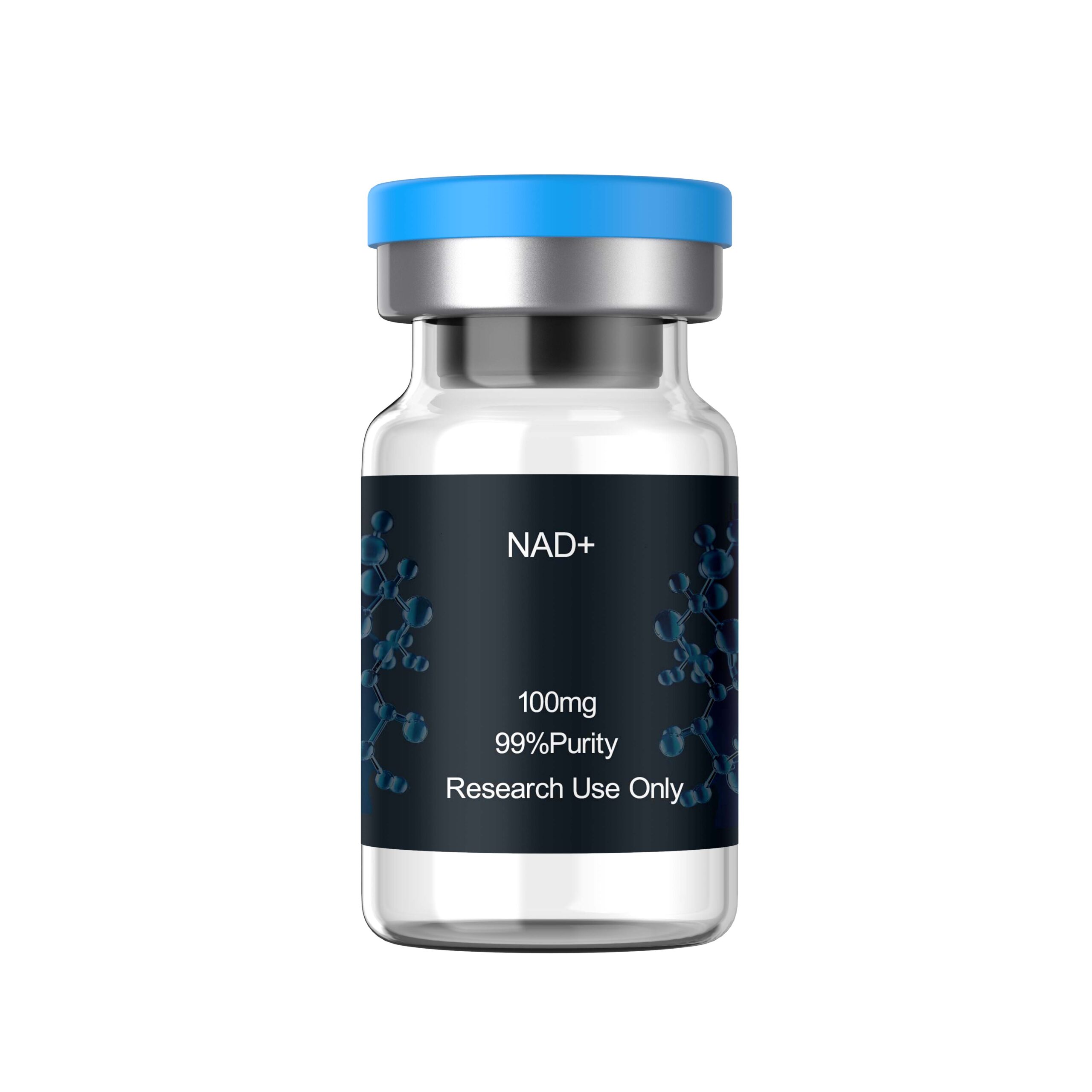
Generic name and Commercial Branding
PT141 is generally termed Bremelanotide. Bremelanotide is identified as a synthetic bioactive peptide with a commercial trading name of Vyleesi. Originally conceived to serve as a research-grade melanocortin modulator, it eventually secured FDA approval for specific clinical applications. In academic research forums, it is known by its experimental code PT141 for reference, while as a generic name in the medical domain, it is officially referred to as Bremelanotide.
Pharmaceutical Category
PT141 has the distinction of belonging to the unique class of medications known as synthetic central MC receptor agonists. Unlike other groups of medications such as peripheral vasodilators, this drug mainly works by driving the action of specific central neuroendocrine MC receptors. In other words, compared to other medications, PT141 mainly works in the central nervous system which possesses the MC3R and MC4R receptors in the hypothalamic and limbic regions of the brain. Because of this unique mode of action, it occupies a central position in research into neuroendocrine and reproductive endocrinology.
Chemical Profile
From a chemical perspective, PT141 is classified as a cyclic and stabilized heptapeptide obtained from the endogenous alpha-melanocyte-stimulating hormone (α-MSH) and is comprised of seven amino acids. The particularity of the structural configuration of PT141 provides it with an improved enzymatic stability and extended in vivo half-life compared to α-MSH. As a result, due to its compact cyclic peptide backbone, this pharmaceutical possesses a high binding specificity to the receptors.
Compliance & Research Disclaimer
PT141 Peptide is for research use only and academic experimental purposes. It is not registered as a pharmaceutical drug, dietary supplement or an over-the-counter medicine and has no clinical use approval from the FDA, EMA or other regional medical regulatory body. The product cannot be used for human clinical diagnosis, treatment of disease, oral or intravenous administration as well as commercial off-label usage. All of the product details and research data is academic in nature and not intended as medical advice or to be construed as therapeutic claims. Local laws, institutional laboratory-management requirements, and ethical-research standards must be followed by all purchasers and researchers. We shall not be liable for any unauthorized illegal use, improper operation or non-research application of the product.
Mechanism of Action
Mechanism of Action: PT141 acts mainly due to the activation of the central MC4R receptors as well as a moderate activation ofThese receptors play an important role in the modulation of the human neuroendocrine system, sexual desire, and the control of energy levels. PT141 works differently from other agents targeted against vascular systems in that this compound works exclusively on the central nervous system and does not influence peripheral systems. The concentration of the compound affects the receptor stimulation and achieves steady neural effects in experimental studies.
Effects on Metabolism and Physiology: In addition to proven neurosexual regulation, PT141 is involved in many metabolic and physiological processes. The activation of central receptors affects endocrine processes and metabolism and improves energy metabolism. The compound has a slight impact on insulin sensitivity and glucose distribution in the body and prevents diseases associated with inflammation of metabolic tissues. In addition, it influences the functioning of the autonomic nervous system, affecting the motility of the digestive tract and metabolic processes.
Applications and Indications Based on Research
Type 2 Diabetes: Nowadays, researchers extend the investigation of the role PT141 plays in T2 diabetes treatment. The central and peripheral functions of the compound lead to the improvement of the metabolism and diabetes symptoms.
Weight Loss: As part of studies on long-term weight loss, the use of PT141 in controlling weight and fat deposits in the body is under investigation. By influencing the processes occurring in the hypothalamus, the compound helps to achieve proper weight management and fat burn.Obstructive Sleep Apnea. Emerging preclinical studies investigate PT141’s potential adjuvant role in obstructive sleep apnea. It can reduce the amount of soft tissue in the upper airways through systemic metabolic inflammatory improvements and regulation of fat distribution thus providing an avenue for non-pharmacological adjuvancy study of OSA.
Dosage and Administration
Route of administration and frequency of research. PT141 is injected subcutaneously in controlled laboratory investigations to prompt rapid and stable systemic absorption. The frequency of administration in actual investigations is determined by the experimental design, usually involving either one single injection per day or as needed to maintain a steady state of central receptor activation.
Titration protocol. PT141 titration starts off with a low dose to determine biological tolerance and subsequently lowers or raises the dosage according to the physiologic parameters of the experiment. Multiple sets of experiments are conducted to raise the dosage to the previously fixed maximum research dose of PT141 to ensure the safety of the experiment and valid results.
Missed Dose Situation. If the scheduled dose is missed during the experiments, it should be discarded right away as soon as the problem is noticed. All that remains to be done is to keep the same dosing schedule on the next day.
Forms of the Dosage
PT141 is available only as sterile lyophilized peptide powder in vacuum vials for research purposes that prevents the influence of moisture and air which would make stability and biological activity of the peptide higher. Before administration, the powder should be reconstituted using sterile bacteriostatic water. No tablets, capsules, or any other commercially available product can be issued for research use.
FDA Restriction.
While PT141 (bremelanotide) has been approved by FDA for certain clinical uses, it clearly states that the research grade PT141 is a substance used only for institutional scientific studies. The FDA prohibits the commercial sale or use of bulk non-approved peptides or other compounds. There should be no commercialization, self-medication, cosmetic use, or other forms of off-label therapy. All in vitro and in vivo research should be done by appropriate research establishments in accordance with FDA qualifications for peptide investigational compounds.
10 Common FAQs About Peptides
- What is a peptide?
Answer: A peptide is a short chain of amino acids linked together by peptide bonds. It is smaller and more easily absorbed by the human body than proteins, serving as a fundamental functional substance in biological organisms.
- What is the difference between peptides and proteins?
Answer: The core difference lies in molecular length and structure. Peptides are short amino acid chains (usually consisting of 2–50 amino acids), while proteins are long, complex amino acid chains with stable three-dimensional structures. Peptides have stronger permeability and faster absorption efficiency than proteins.
- What are the main types of peptides?
Answer: Peptides are mainly classified by the number of amino acids: dipeptides, tripeptides, oligopeptides (2–10 amino acids) and polypeptides (10–50 amino acids). They can also be divided into natural peptides and synthetic peptides according to their sources.
- What are the biological functions of peptides?
Answer: Peptides have diverse biological activities, including regulating human metabolism, improving immune function, promoting cell repair, anti-oxidation, anti-aging, and adjusting hormone levels. They act as key signaling molecules and regulatory factors in the body.
- Are peptides safe for human use?
Answer: Most natural and medically approved synthetic peptides are highly safe. They have small molecular weight, low toxicity, and will not accumulate in the body. However, unstandardized high-dose peptide products or impure synthetic peptides may cause mild discomfort.
- What are the common applications of peptides?
Answer: Peptides are widely used in multiple fields. In biomedicine, they are made into therapeutic drugs for endocrine and immune diseases; in cosmetics, they are used for anti-aging and skin repair; in health products, they serve as nutritional supplements to improve physical fitness.
- Can the human body absorb exogenous peptides directly?
Answer: Yes. Unlike proteins that need to be decomposed before absorption, small-molecule peptides can be directly absorbed by the intestinal tract and skin with high absorption rate and utilization efficiency, and can quickly exert biological effects in the body.
- What are synthetic peptides used for?
Answer: Synthetic peptides are artificially customized amino acid chains. They are mainly used for scientific research, clinical drug development, targeted skin care ingredient production, and precise nutritional supplementation, with higher purity and targeted activity than some natural peptides.
- Do peptide products have side effects?
Answer: Standard peptide products have almost no obvious side effects for most people. Individual groups may experience mild gastrointestinal discomfort or skin sensitivity due to physical differences or excessive intake. Long-term excessive use may disrupt the body’s metabolic balance.
- What is the difference between collagen peptides and ordinary peptides?
Answer: Collagen peptides are a specific type of functional peptide extracted and decomposed from collagen, mainly targeting skin moisturizing, anti-wrinkle and joint care. Ordinary peptides cover a broader range with more diverse regulatory functions including immunity and metabolism, while collagen peptides have more focused skincare and anti-aging effects.
All of our fiber optic cable package are with export wooden drum. Indoor FTTH cable’s wooden dimension is 50x50x32cm, delivery length 3km/drum, Outdoor fiber optic cable’s wooden dimension is 110cm*110cm*70cm, 0.85CBM, can be load about 33 drums for a 20GP.Also accept custom cable drum from customers. welcome to contact us!
GYTS Direct Burial Single Armored Double Sheath Fiber Optic Cable
GYTS Fiber Optic Cable Picture
Shipping Choice |
| Shipping method | Courier | Shipping Time |
| Express Shipping | UPS | 5-15 DAY |
| Fedex | 5-15 DAY |
| Dedicated line | USPS | 7-15 DAY |
| Fedex | 7-15 DAY |
| DDP | | 10-20 DAY |
 Powerae.com