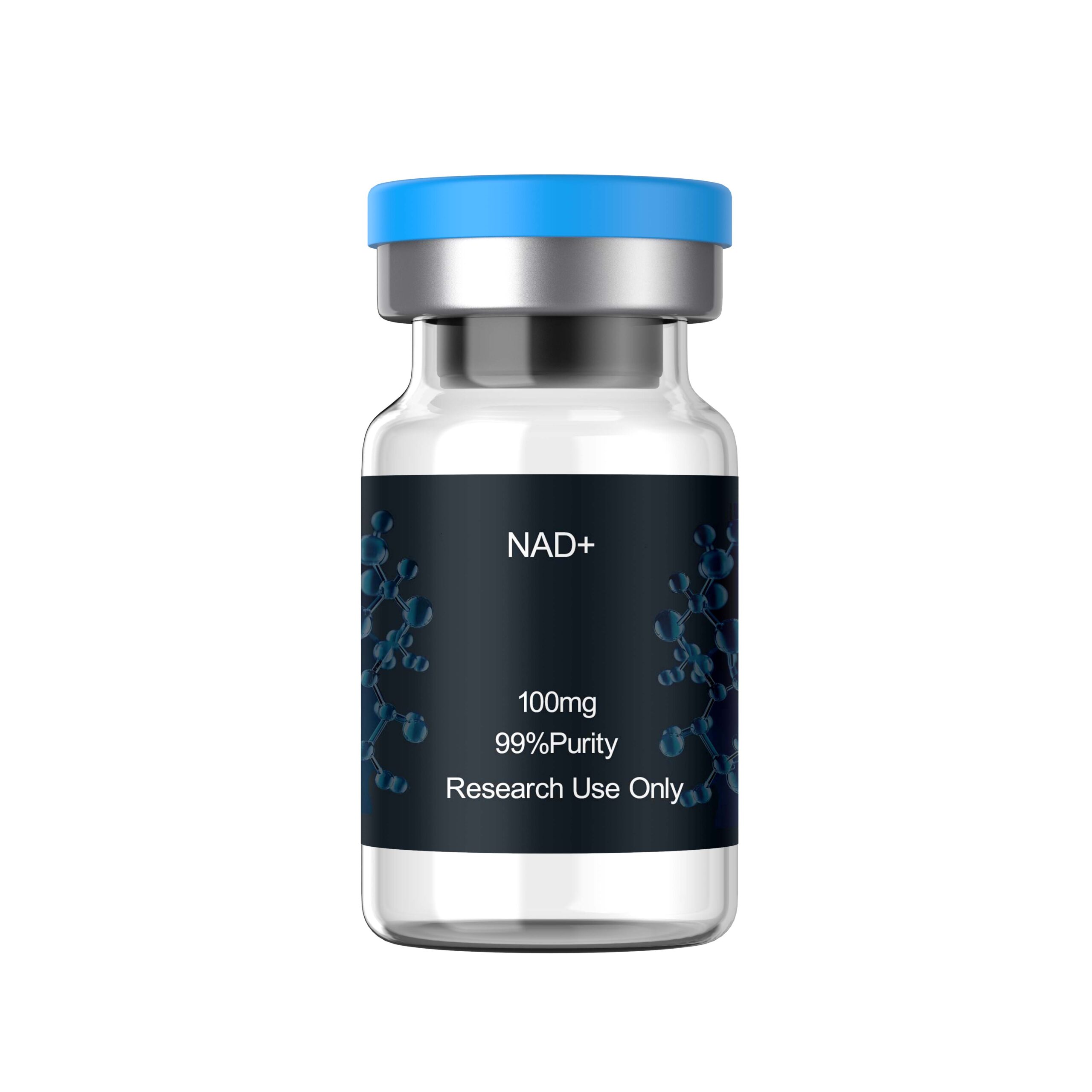
Generic name and Commercial Branding
PT141 is generally termed Bremelanotide. Bremelanotide is identified as a synthetic bioactive peptide with a commercial trading name of Vyleesi. Originally conceived to serve as a research-grade melanocortin modulator, it eventually secured FDA approval for specific clinical applications. In academic research forums, it is known by its experimental code PT141 for reference, while as a generic name in the medical domain, it is officially referred to as Bremelanotide.
Pharmaceutical Category
PT141 has the distinction of belonging to the unique class of medications known as synthetic central MC receptor agonists. Unlike other groups of medications such as peripheral vasodilators, this drug mainly works by driving the action of specific central neuroendocrine MC receptors. In other words, compared to other medications, PT141 mainly works in the central nervous system which possesses the MC3R and MC4R receptors in the hypothalamic and limbic regions of the brain. Because of this unique mode of action, it occupies a central position in research into neuroendocrine and reproductive endocrinology.
Chemical Profile
From a chemical perspective, PT141 is classified as a cyclic and stabilized heptapeptide obtained from the endogenous alpha-melanocyte-stimulating hormone (α-MSH) and is comprised of seven amino acids. The particularity of the structural configuration of PT141 provides it with an improved enzymatic stability and extended in vivo half-life compared to α-MSH. As a result, due to its compact cyclic peptide backbone, this pharmaceutical possesses a high binding specificity to the receptors.
Conformitate & Disclaimer de cercetare
PT141 Peptide is for research use only and academic experimental purposes. It is not registered as a pharmaceutical drug, dietary supplement or an over-the-counter medicine and has no clinical use approval from the FDA, EMA or other regional medical regulatory body. The product cannot be used for human clinical diagnosis, treatment of disease, oral or intravenous administration as well as commercial off-label usage. All of the product details and research data is academic in nature and not intended as medical advice or to be construed as therapeutic claims. Local laws, institutional laboratory-management requirements, and ethical-research standards must be followed by all purchasers and researchers. We shall not be liable for any unauthorized illegal use, improper operation or non-research application of the product.
Mechanism of Action
Mechanism of Action: PT141 acts mainly due to the activation of the central MC4R receptors as well as a moderate activation ofThese receptors play an important role in the modulation of the human neuroendocrine system, sexual desire, and the control of energy levels. PT141 works differently from other agents targeted against vascular systems in that this compound works exclusively on the central nervous system and does not influence peripheral systems. The concentration of the compound affects the receptor stimulation and achieves steady neural effects in experimental studies.
Effects on Metabolism and Physiology: In addition to proven neurosexual regulation, PT141 is involved in many metabolic and physiological processes. The activation of central receptors affects endocrine processes and metabolism and improves energy metabolism. The compound has a slight impact on insulin sensitivity and glucose distribution in the body and prevents diseases associated with inflammation of metabolic tissues. In addition, it influences the functioning of the autonomic nervous system, affecting the motility of the digestive tract and metabolic processes.
Applications and Indications Based on Research
Type 2 Diabetes: Nowadays, researchers extend the investigation of the role PT141 plays in T2 diabetes treatment. The central and peripheral functions of the compound lead to the improvement of the metabolism and diabetes symptoms.
Weight Loss: As part of studies on long-term weight loss, the use of PT141 in controlling weight and fat deposits in the body is under investigation. By influencing the processes occurring in the hypothalamus, the compound helps to achieve proper weight management and fat burn.Obstructive Sleep Apnea. Emerging preclinical studies investigate PT141’s potential adjuvant role in obstructive sleep apnea. It can reduce the amount of soft tissue in the upper airways through systemic metabolic inflammatory improvements and regulation of fat distribution thus providing an avenue for non-pharmacological adjuvancy study of OSA.
Dosage and Administration
Route of administration and frequency of research. PT141 is injected subcutaneously in controlled laboratory investigations to prompt rapid and stable systemic absorption. The frequency of administration in actual investigations is determined by the experimental design, usually involving either one single injection per day or as needed to maintain a steady state of central receptor activation.
Titration protocol. PT141 titration starts off with a low dose to determine biological tolerance and subsequently lowers or raises the dosage according to the physiologic parameters of the experiment. Multiple sets of experiments are conducted to raise the dosage to the previously fixed maximum research dose of PT141 to ensure the safety of the experiment and valid results.
Missed Dose Situation. If the scheduled dose is missed during the experiments, it should be discarded right away as soon as the problem is noticed. All that remains to be done is to keep the same dosing schedule on the next day.
Forms of the Dosage
PT141 is available only as sterile lyophilized peptide powder in vacuum vials for research purposes that prevents the influence of moisture and air which would make stability and biological activity of the peptide higher. Before administration, the powder should be reconstituted using sterile bacteriostatic water. No tablets, capsules, or any other commercially available product can be issued for research use.
FDA Restriction.
While PT141 (bremelanotide) has been approved by FDA for certain clinical uses, it clearly states that the research grade PT141 is a substance used only for institutional scientific studies. The FDA prohibits the commercial sale or use of bulk non-approved peptides or other compounds. There should be no commercialization, self-medication, cosmetic use, or other forms of off-label therapy. All in vitro and in vivo research should be done by appropriate research establishments in accordance with FDA qualifications for peptide investigational compounds.
10 Întrebări frecvente despre peptide
- Ce este o peptidă?
Răspuns: O peptidă este un lanț scurt de aminoacizi legați între ele prin legături peptidice. Este mai mic și mai ușor de absorbit de corpul uman decât proteinele, servind ca substanță funcțională fundamentală în organismele biologice.
- Care este diferența dintre peptide și proteine?
Răspuns: Diferența de bază constă în lungimea și structura moleculară. Peptidele sunt lanțuri scurte de aminoacizi (constând de obicei din 2–50 de aminoacizi), în timp ce proteinele sunt lungi, lanțuri complexe de aminoacizi cu structuri tridimensionale stabile. Peptidele au o permeabilitate mai puternică și o eficiență de absorbție mai rapidă decât proteinele.
- Care sunt principalele tipuri de peptide?
Răspuns: Peptidele sunt clasificate în principal după numărul de aminoacizi: dipeptide, tripeptide, oligopeptide (2-10 aminoacizi) și polipeptide (10-50 de aminoacizi). Ele pot fi, de asemenea, împărțite în peptide naturale și peptide sintetice în funcție de sursele lor.
- Care sunt funcțiile biologice ale peptidelor?
Răspuns: Peptidele au diverse activități biologice, inclusiv reglarea metabolismului uman, îmbunătățirea funcției imunitare, promovând repararea celulelor, antioxidare, anti-îmbătrânire, și ajustarea nivelului hormonal. Acţionează ca molecule cheie de semnalizare şi factori de reglare în organism.
- Sunt peptidele sigure pentru uz uman?
Răspuns: Cele mai multe peptide sintetice naturale și aprobate medical sunt extrem de sigure. Au greutate moleculară mică, toxicitate scăzută, și nu se va acumula în organism. Cu toate acestea, Produsele peptidice în doză mare nestandardizate sau peptidele sintetice impure pot provoca disconfort ușor.
- Care sunt aplicațiile comune ale peptidelor?
Răspuns: Peptidele sunt utilizate pe scară largă în mai multe domenii. În biomedicină, sunt transformate în medicamente terapeutice pentru boli endocrine și imune; în cosmetică, sunt folosite pentru anti-îmbătrânire și repararea pielii; în produsele de sănătate, servesc ca suplimente nutritive pentru a îmbunătăți starea fizică.
- Corpul uman poate absorbi direct peptidele exogene??
Răspuns: Da. Spre deosebire de proteinele care trebuie descompuse înainte de absorbție, peptidele cu molecule mici pot fi absorbite direct de tractul intestinal și piele, cu o rată ridicată de absorbție și eficiență de utilizare, și poate exercita rapid efecte biologice în organism.
- Pentru ce sunt folosite peptidele sintetice?
Răspuns: Peptidele sintetice sunt lanțuri de aminoacizi personalizate artificial. Sunt utilizate în principal pentru cercetarea științifică, dezvoltarea clinică a medicamentelor, producerea țintită a ingredientelor de îngrijire a pielii, și suplimente nutriționale precise, cu puritate mai mare și activitate țintită decât unele peptide naturale.
- Produsele cu peptide au efecte secundare?
Răspuns: Produsele peptidice standard nu au aproape efecte secundare evidente pentru majoritatea oamenilor. Grupurile individuale pot experimenta disconfort gastrointestinal ușor sau sensibilitate a pielii din cauza diferențelor fizice sau a aportului excesiv. Utilizarea excesivă pe termen lung poate perturba echilibrul metabolic al organismului.
- Care este diferența dintre peptidele de colagen și peptidele obișnuite?
Răspuns: Peptidele de colagen sunt un tip specific de peptidă funcțională extrasă și descompusă din colagen, vizează în principal hidratarea pielii, îngrijire antirid și articulații. Peptidele obișnuite acoperă o gamă mai largă, cu funcții de reglare mai diverse, inclusiv imunitatea și metabolismul, în timp ce peptidele de colagen au efecte mai concentrate de îngrijire a pielii și anti-îmbătrânire.
Toate pachetele noastre de cabluri cu fibră optică sunt cu tambur din lemn de export. Dimensiunea din lemn a cablului FTTH de interior este de 50x50x32cm, lungime de livrare 3 km/tambur, Dimensiunea din lemn a cablului de fibră optică în aer liber este de 110 cm * 110 cm * 70 cm, 0.85CBM, poate fi încărcat aproximativ 33 tobe pentru un 20GP. Acceptați, de asemenea, tambur de cablu personalizat de la clienți. bine ați venit să ne contactați!
GYTS Direct Burial Cablu de fibră optică cu înveliș dublu blindat
GYTS Cablu Fibră Optică Imagine
Alegerea transportului |
| Metoda de livrare | Curier | Timp de livrare |
| Livrare Express | UPS | 5-15 ZI |
| Fedex | 5-15 ZI |
| Linie dedicată | USPS | 7-15 ZI |
| Fedex | 7-15 ZI |
| DDP | | 10-20 ZI |
 Powerae.com