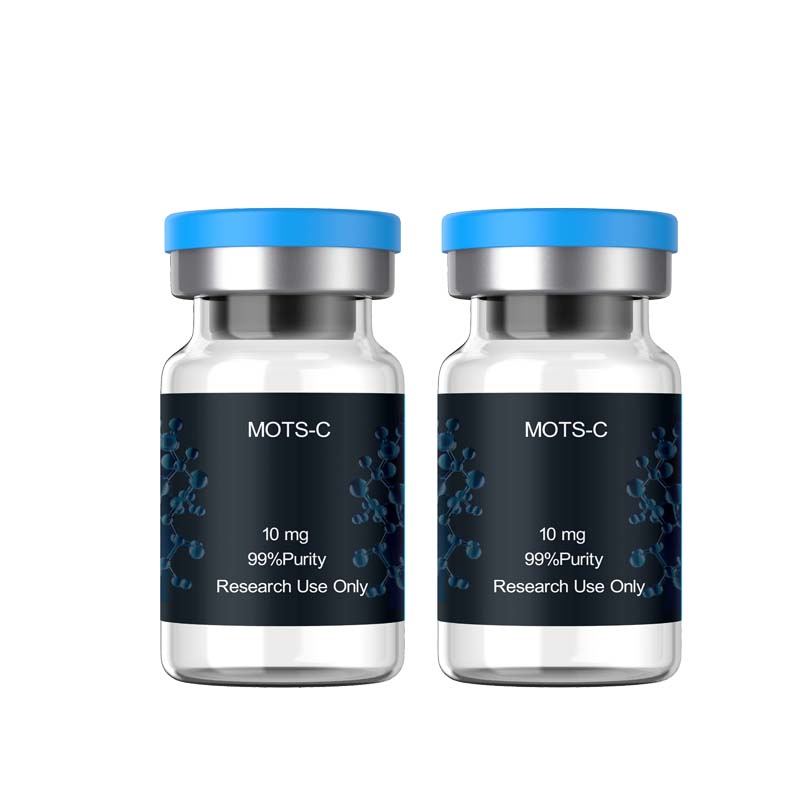
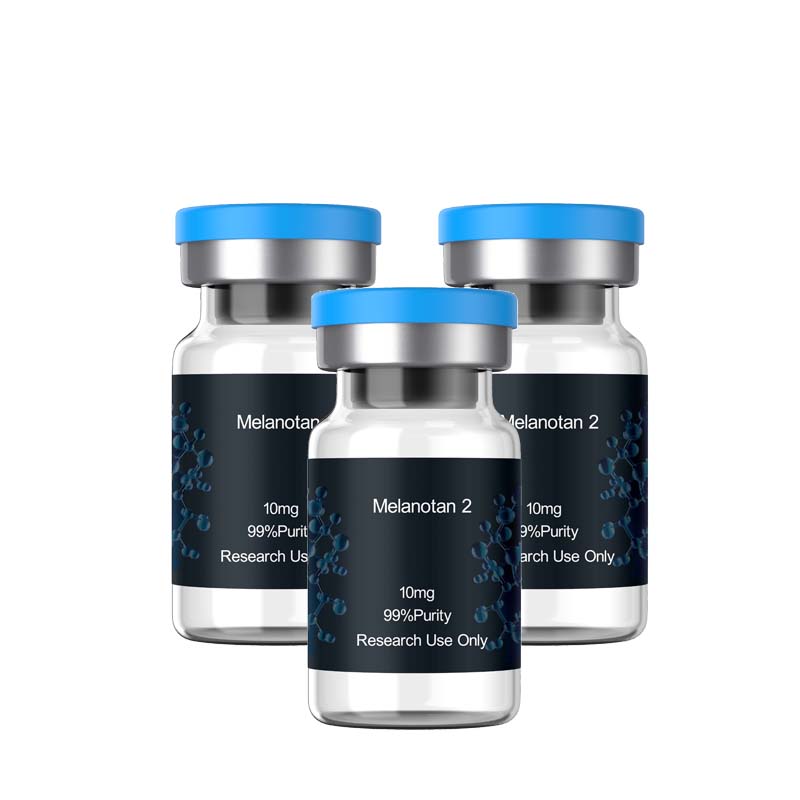
MT2, which can also be called Melanotan II, is a synthetic cyclic peptide that does not have any recognized brand names that could indicate its therapeutic use in human medicine. The term MT2 is always used alone in science and does not refer to any commercial peptide drugs that have been approved for use in human medicine and are being advertised commercially. MT2 differs from prescription peptide drugs that are being promoted as well-known brands because it remains an investigational compound that does not possess any proprietary brands for clinical use in human beings.
Classification
MT2 is regarded as a synthetic melanocortin receptor agonist and falls into the category of peptide-based endocrine modulators. Given that this compound is able to target and stimulate the function of many of the MCRs – melanocortin receptors, mainly MC1R and MC4R, which are spread throughout human skin and hypothalamus, it is different from GLP-1 dual agonists and other types of metabolic peptide compounds.
Chemical Aspects
In terms of chemical characteristics, MT2 is a modified cyclic heptapeptide, and its structure can be derived from the natural alpha-melanocyte-stimulating hormone (α-MSH). Because its structure has been modified through cyclization and amino acid substitution, seven amino acid residues are present in the form of a stable cyclic peptide. The chemical modification allows changing MT2 in a manner that will allow this compound to be more stable and remain biologically active for a long time than its natural counterpart.
Compliance & Research Disclaimer
MT2 Peptide is for research use only and academic experimental purposes. It is not registered as a pharmaceutical drug, dietary supplement or an over-the-counter medicine and has no clinical use approval from the FDA, EMA or other regional medical regulatory body. The product cannot be used for human clinical diagnosis, treatment of disease, oral or intravenous administration as well as commercial off-label usage. All of the product details and research data is academic in nature and not intended as medical advice or to be construed as therapeutic claims. Local laws, institutional laboratory-management requirements, and ethical-research standards must be followed by all purchasers and researchers. We shall not be liable for any unauthorized illegal use, improper operation or non-research application of the product.
Working Mechanism
Receptor Activation: The main pharmacological action of MT2 is its selective stimulation of melanocortin receptors.It displays significant binding activity towards the hypothalamic MC4R receptor which plays a vital role in controlling energy balance and appetite as well as towards the skin MC1R which is needed to produce melanin. En outre, activation of other types of the MCR receptor also helps to regulate the metabolism of the organism. The binding process is dose-dependent constituting an effective mechanism for long-term effects on physiological parameters in experimental testings.
Metabolic & Physiological Effects: The effects of MT2 on human metabolism and physiology are numerous and as varied as possible. The first and, one could say, principal effect that can be observed from the activation of the receptor, is appetite suppression in the hypothalamus, which leads to food consumption reduction and central satiety improvement. As to the peripheral mechanisms, MT2 boosts lipolysis and speeding up fat metabolism. Apart from this, the receptor is known to regulate gastric emptying which should lead to longer satiation after meals.
Indications & Usage (Research-Based)
Type 2 Diabetes Mellitus: According to the data obtained from preclinical trials with MT2, it is believed to have a supporting effect on patients suffering from type 2 Diabetes Mellitus because it is able to enhance insulin sensitivity, increase glucose absorption and decrease peripheral insulin resistance levels.
Chronic Weight Management: Curiously enough, one of the major fields of research is the application of MT2 for the chronic weight management.Two of its functions pertaining to curbing hunger and breaking down fat validate the analysis of the long-term management of weight, approaches to the treatment of obesity, and the prevention of metabolic disorders because of too much fat.
Obstructive Sleep Apnea: New preclinical investigations check how MT2 can help in the control of obstructive sleep apnea. The help is attained by lowering metabolic inflammation and improving fat distribution.
Dosage & Administration (Research Use Only)
Route & Frequency: In lab research, MT2 is taken in a formulation of a subcutaneous injection, which is regarded as the safest and best way for injecting peptides into the bloodstream. The high level of skill and knowledge allows us to control and repeat the administration once a day at one and the same time to make sure that the effect of the drug remains unchanged.
Titration Schedule: The usual titration protocol involves increasing doses gradually. The first dose is the smallest one that allows the researchers to see how tolerable the effect is. The doses are then increased depending on the stage of the research and the patients’ responses. The maximum dose of any substance must be specified in advance to ward off toxic effects.
Missed Dose Management: In the event a research dose is missed, the injection should be skipped at once, but the administration should resume as usual on the following day. Taking the missed dose is prohibited.
Dosage Forms
MT2 is available only in the form of lyophilized powder in sterile bottles to keep it chemically stable. It needs to be dissolved in the sterile bacteriostatic water before it is taken to inject the substance.
FDA Restriction
The U.S. Federal Drug Administration states clearly that MT2 is only for research purposes and is prohibited for sale or use in any clinical settings, as well as by the general public. All the activities associated with MT2 must be conducted in strictly academic and scientific institutions.
10 FAQ courantes sur les peptides
- Qu'est-ce qu'un peptide?
Répondre: Un peptide est une courte chaîne d'acides aminés liés entre eux par des liaisons peptidiques.. Il est plus petit et plus facilement absorbé par le corps humain que les protéines, servir de substance fonctionnelle fondamentale dans les organismes biologiques.
- Quelle est la différence entre les peptides et les protéines?
Répondre: La principale différence réside dans la longueur et la structure moléculaires. Les peptides sont de courtes chaînes d'acides aminés (composé généralement de 2 à 50 acides aminés), alors que les protéines sont longues, chaînes d'acides aminés complexes avec des structures tridimensionnelles stables. Les peptides ont une perméabilité plus forte et une efficacité d'absorption plus rapide que les protéines.
- Quels sont les principaux types de peptides?
Répondre: Les peptides sont principalement classés selon le nombre d'acides aminés: dipeptides, tripeptides, oligopeptides (2–10 acides aminés) et polypeptides (10–50 acides aminés). Ils peuvent également être divisés en peptides naturels et peptides synthétiques selon leurs sources..
- Quelles sont les fonctions biologiques des peptides?
Répondre: Les peptides ont diverses activités biologiques, y compris la régulation du métabolisme humain, améliorer la fonction immunitaire, favoriser la réparation cellulaire, anti-oxydation, anti-âge, et ajuster les niveaux d'hormones. Ils agissent comme des molécules de signalisation clés et des facteurs régulateurs dans l’organisme..
- Les peptides sont-ils sans danger pour l’usage humain?
Répondre: La plupart des peptides synthétiques naturels et médicalement approuvés sont hautement sûrs. Ils ont un petit poids moléculaire, faible toxicité, et ne s'accumulera pas dans le corps. Cependant, les produits peptidiques à forte dose non standardisés ou les peptides synthétiques impurs peuvent provoquer un léger inconfort.
- Quelles sont les applications courantes des peptides?
Répondre: Les peptides sont largement utilisés dans de multiples domaines. En biomédecine, ils sont transformés en médicaments thérapeutiques pour les maladies endocriniennes et immunitaires; en cosmétique, ils sont utilisés pour l'anti-âge et la réparation de la peau; dans les produits de santé, ils servent de compléments nutritionnels pour améliorer la forme physique.
- Le corps humain peut-il absorber directement les peptides exogènes?
Répondre: Oui. Contrairement aux protéines qui doivent être décomposées avant absorption, les peptides à petites molécules peuvent être directement absorbés par le tractus intestinal et la peau avec un taux d'absorption et une efficacité d'utilisation élevés, et peut rapidement exercer des effets biologiques sur le corps.
- A quoi servent les peptides synthétiques?
Répondre: Les peptides synthétiques sont des chaînes d'acides aminés artificiellement personnalisées. Ils sont principalement utilisés pour la recherche scientifique, développement de médicaments cliniques, production ciblée d’ingrédients de soins de la peau, et une supplémentation nutritionnelle précise, avec une pureté et une activité ciblée supérieures à celles de certains peptides naturels.
- Les produits peptidiques ont-ils des effets secondaires?
Répondre: Les produits peptidiques standards n’ont presque aucun effet secondaire évident pour la plupart des gens. Les groupes individuels peuvent ressentir un léger inconfort gastro-intestinal ou une sensibilité cutanée en raison de différences physiques ou d'une consommation excessive.. Une consommation excessive à long terme peut perturber l’équilibre métabolique de l’organisme..
- Quelle est la différence entre les peptides de collagène et les peptides ordinaires?
Répondre: Les peptides de collagène sont un type spécifique de peptide fonctionnel extrait et décomposé du collagène., ciblant principalement l'hydratation de la peau, soin anti-rides et articulations. Les peptides ordinaires couvrent une gamme plus large avec des fonctions de régulation plus diverses, notamment l'immunité et le métabolisme., tandis que les peptides de collagène ont des effets de soin et anti-âge plus ciblés..
Tous nos paquets de câbles à fibres optiques sont dotés d'un tambour en bois d'exportation. La dimension en bois du câble FTTH intérieur est de 50x50x32cm, longueur de livraison 3 km/tambour, La dimension en bois du câble à fibre optique extérieur est de 110 cm x 110 cm x 70 cm., 0.85CBM, peut être chargé environ 33 tambours pour un 20GP. Acceptez également les tambours de câble personnalisés des clients. bienvenue à nous contacter!
Câble à fibre optique blindé simple à double gaine à enterrement direct GYTS
Image du câble à fibre optique GYTS
Choix d'expédition |
| Méthode d'expédition | Courrier | Délai d'expédition |
| Expédition express | UPS | 5-15 JOUR |
| FedEx | 5-15 JOUR |
| Ligne dédiée | USPS | 7-15 JOUR |
| FedEx | 7-15 JOUR |
| DDP | | 10-20 JOUR |
 Powerae.com