 Powerae.com

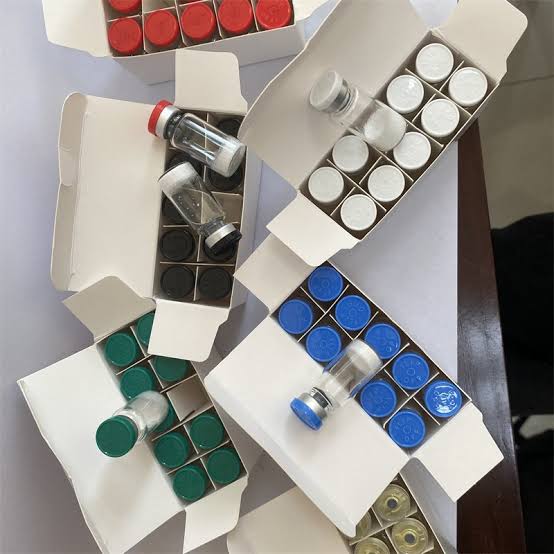
How to Reconstitute Tirzepatide Safely and Correctly: A Complete Step-by-Step Guide
Tirzepatide is currently one of the most effective and widely recognized GLP-1/GIP dual agonist peptides, which helps maintain metabolic health, stably regulate blood sugar, and achieve long-term, sustainable weight management. It is manufactured as a lyophilized powder, so it cannot be directly drawn into a syringe and injected into the body. Before use, it must go through a set of strict procedures: not only to ensure the accurate dosage of the reconstituted solution, but also to prevent any bacterial contamination throughout the entire process, which is what the industry refers to as accurate, sterile reconstitution.
Correct reconstitution does more than just control the dosage of each administration precisely, avoiding underdosing or overdosing. More critically, it preserves the peptide chain structure of tirzepatide, maintains its original biological activity, and meets the storage stability requirements for the reconstituted solution, so it does not degrade and become ineffective within just a few days. Many first-time users encounter avoidable problems due to improper mixing methods, such as excessive foam in the reconstituted solution, degradation and inactivation of the peptide, incorrect concentration of the prepared solution, or bacterial contamination from improper operation. This Complete Step-by-Step Guide will walk you through the process step by step, helping you Reconstitute Tirzepatide Safely and Correctly in a reliable, professional manner to maximize its therapeutic effects.
Before you start the reconstitution process, there are several core prerequisites you must understand first—never start operating blindly. Unlike common chemical substances you may have heard of, peptides are delicate amino acid chains that cannot withstand rough, vigorous shaking, high-temperature environments, or exposure to any bacteria. If you shake the vial forcefully during reconstitution, pour the diluent directly onto the powder to disperse it, or fail to maintain sterile conditions throughout the process, you are very likely to break the connecting bonds in the peptide chain. The resulting solution will either be completely ineffective, wasting your money and effort, or it will increase the risk of adverse side effects, creating unnecessary health hazards.
The standard diluent for dissolving the lyophilized tirzepatide powder is bacteriostatic water for injection. When this dedicated diluent is added, it can maintain a sterile environment inside the vial after reconstitution is complete, preventing the growth of foreign bacteria, while also stabilizing the peptide structure to keep it from degrading prematurely. Only by mastering and applying the correct operating procedures can you preserve the full biological activity of tirzepatide every time you draw a dose, ensuring that the injection delivers its intended effect, and that every dosage you use is always accurate and consistent, with no risk of underdosing or overdosing.
Before you start, gather all the items you will need, then conduct a complete pre-operation check from start to finish. The items you need to prepare in advance include tirzepatide peptide vials, medical-grade bacteriostatic water, sterile syringes, and alcohol prep pads. In addition, you must set aside a dedicated clean and dry area as your operation station—do not improvise with your home’s dining table or coffee table, as this can easily lead to problems.
Once everything is prepared, the first thing you must do is wash your hands thoroughly with soap and clean water, rinsing away all bacteria attached to the surface of your hands. This is the starting point of all operations and must never be skipped. There are also specific requirements for choosing your operation location: do not pick a place that is dusty, humid, or poorly ventilated. Such environments have high levels of miscellaneous bacteria, which can easily contaminate your operation materials and waste the medication you have prepared.
Next, remove the tirzepatide vial that has been stored in the refrigerator, place it in a clean spot on your operation station, and let it warm up to room temperature naturally. Do not use additional heating or place it anywhere else to cool it down; simply let it acclimate gradually to room temperature. If you rush to operate before the vial returns to room temperature, the cold powder inside will dissolve much more slowly, and may not mix evenly—some portions will dissolve while others remain clumped. Waiting for it to naturally reach room temperature before proceeding allows the powder to dissolve completely and smoothly, while also preserving the quality of the peptide in the medication, keeping both aspects safe.
Be very careful when handling the vial: inspect it closely to check if the bottle body has any cracks, leaks, if the powder has changed color, or if there are any abnormal clumps. If the vial has any of these issues, discard it immediately. Do not hold onto it out of reluctance; this is a basic requirement to ensure your operational safety.
To carry out the entire procedure safely, disinfection is the most fundamental baseline—you must never skip this step, as it is the core of preparing a safe tirzepatide solution. The next thing to do is take two separate alcohol prep pads—do not try to save supplies by using a single pad for both. Thoroughly wipe the rubber stoppers of both the tirzepatide vial and the bacteriostatic water vial, making sure to wipe every area and not miss any edges or corners.
After wiping the rubber stoppers, do not touch them right away. Let them air dry naturally for 20 to 30 seconds to allow the alcohol to kill all remaining pathogens. Never blow on the rubber stoppers, and do not touch them with ungloved hands. Doing so will transfer bacteria from your hands or mouth onto the stoppers, destroying the sterile environment you worked hard to maintain, rendering all your earlier disinfection efforts useless.
Once all disinfection is complete and the rubber stoppers are fully dry, remove the plastic protective cap from the peptide vial to expose the already sterile rubber septum. Position it properly, in preparation for injecting the solvent into it later.
The most technically demanding step in the entire process is what comes next: first draw up the diluent, then inject it into the vial holding the peptide. Even a small mistake can affect the accuracy and safety of the final prepared solution, so you must move slowly and steadily through this step. First, secure the sterile needle firmly onto the syringe, then draw up the exact dose of bacteriostatic water according to your desired final concentration. Drawing too much or too little will alter the final medication concentration, so you must measure the volume accurately. For standard-sized peptide vials, the commonly used standard mixing ratio is 1ml of bacteriostatic water; this volume is a universal standard that you can follow directly. There is one small step to complete before drawing up the liquid: first invert the bacteriostatic water vial, push a small amount of air into it to equalize the internal pressure of the vial. Once you do this, you will be able to smoothly draw up the exact required dose, making the entire extraction process smooth and accurate, with no jams or incorrect volumes drawn.
When preparing tirzepatide, the first step is to insert the syringe needle into the vial containing the drug at a 45-degree angle, then slowly push the diluent along the inner wall of the glass vial. You must never spray the liquid directly onto the lyophilized drug cake inside the vial. If you forcefully spray directly onto that fully solidified block of drug powder, the impact will generate a large amount of foam, and it will also damage the peptide structure in the drug, causing the drug molecules to break down directly. This will reduce the original efficacy of the drug, and the dosage you draw for each subsequent administration will also be unstable. Only by slowly letting the liquid flow down along the cool vial wall can you keep the peptide structure intact, and avoid unnecessary foaming that would ruin the drug’s condition.
Once all the diluent has been added, simply withdraw the syringe gently. At this point, do not shake the vial, do not turn the vial upside down, and above all, do not grip the vial body and shake it forcefully. You only need to hold the small vial between your fingers, and rotate it slowly in small circles for 30 to 60 seconds. This gentle movement will not only allow the drug powder to dissolve evenly with the flow of the liquid, but also avoid damaging the fragile peptide bonds in the drug. If a small amount of undissolved drug powder remains at the bottom of the vial after shaking, do not rush. Just leave the vial at room temperature for 15 to 30 minutes to let it fully moisten on its own, then shake it gently once more. Waiting for the drug to dissolve completely on its own ensures that the concentration of the entire vial of solution is uniform from start to finish, allowing precise dosage control for each subsequent administration, and preventing the situation where the first half of the vial is too concentrated and the second half is too dilute.
After the drug powder has completely dissolved, first hold the vial up to the light to inspect the condition of the solution. A usable, freshly prepared tirzepatide solution must be clear and transparent, either completely colorless or with only a slight pale yellow tint, and must not contain any visible particles, cloudiness, or sediment settled at the bottom of the vial. If there are only a few tiny air bubbles on the surface of the solution, that is normal; they will dissipate on their own after a few minutes and will not affect the use of the drug. However, if the solution looks cloudy, has developed an abnormal color, or has suspended small particles that will not disperse, this indicates that the drug has been contaminated, or that the peptide has degraded. You must discard this vial immediately, and must never use it, to avoid risking danger.
Whether the storage method for reconstituted tirzepatide is appropriate directly determines how long the vial of solution remains usable. First, to clarify for those who have never handled such preparations: the “reconstitution” mentioned here refers to the process of mixing the originally dry, sealed drug powder into a usable liquid. Once you have mixed the drug powder into a liquid solution, how you store it directly affects whether the drug can function properly and how long it remains usable.
Unopened, unused dry lyophilized powder that is not needed for the time being can be stored long-term in a refrigerator compartment maintained at 2–8°C, which is completely safe for storage.
Once you mix the dry drug powder into a liquid, this vial of peptide solution must be kept continuously refrigerated in the refrigerator, and must be used within 14 to 28 days to retain its full efficacy and avoid any safety risks. Beyond this time frame, neither the drug’s potency nor its safety can be guaranteed.
Never put the mixed solution into the freezer to freeze it. Sub-zero temperatures will cause crystals to form in the solution, and these crystals will directly destroy the molecular structure of the peptide, rendering the entire vial of drug completely ineffective and unusable.
On each small vial that holds the mixed drug solution, you must personally mark the date you reconstituted the drug and the concentration of the prepared solution to facilitate subsequent tracking of its shelf life, and avoid accidental misuse of expired medication.
In summary, to successfully complete the reconstitution of tirzepatide and prepare a usable, qualified drug solution, three core principles must be upheld: strict aseptic conditions throughout the entire process, gentle handling during operations, and accurate measurement of the medication dosage.
Throughout the entire process of preparing and storing the drug, three things must be avoided: shaking the vial vigorously, exposing the drug solution to high-temperature environments, and any operation that does not meet aseptic requirements, as all of these will damage the effectiveness of the drug solution.
As long as you operate in accordance with this structured, step-by-step standard process, you can preserve the dual agonist activity of this peptide, allow it to stably deliver the benefits of metabolic regulation, and minimize all potential safety risks that users may encounter.
Disclaimer: The content of this article is for general science popularization and information reference only, and does not constitute professional medical advice, diagnosis, or treatment plans. All materials in this article are extracted from public academic research, clinical trial data, and industry literature on peptide compounds such as retatrutide. All guidance provided in this article cannot replace the consultation, diagnosis, or treatment plans provided by qualified, formal medical personnel.