 Powerae.com

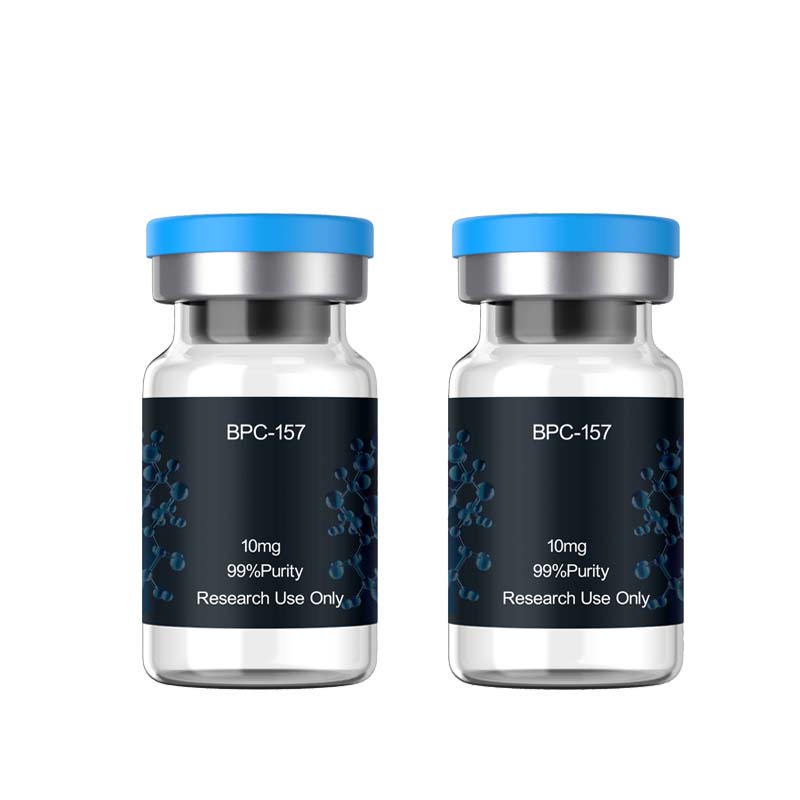
What Is BPC-157? Understanding the Benefits, Mechanisms and Healing Power of the Regenerative Peptide
In current circles that research peptides and focus on bodily regeneration and repair, few substances have attracted as much attention as BPC-157. Whether they are fitness enthusiasts who spend all their time in gyms pushing their bodies daily, rehabilitation therapists who specialize in helping people recover from sports injuries or chronic pain, or researchers deeply engaged in the health field, everyone holds a surprisingly consistent view: it is one of the most widely applicable peptides for repair that can be used today. But many people who have never been exposed to it are curious: what exactly is BPC-157? Why do so many people take it as a core supplement when undergoing regenerative health conditioning?
To answer this question, we must first clarify its basic background. The full name of BPC-157 is Body Protection Compound 157, a synthetic stable 15-peptide composed of 15 amino acids. Its original sequence was extracted from a protective protein found in human gastric juice. It is not some out-of-nowhere black technology; its potential was first discovered from a substance that naturally exists in the human body, and it was later developed into a preparation that can be stably supplemented. The reason it is so sought-after is its powerful abilities in tissue repair, anti-inflammation, and cytoprotection. A large number of academic studies have found that it can accelerate the natural healing rate of multiple systems in the human body — whether it is musculoskeletal injuries or problems with the visceral mucosa, it can assist the body’s own self-healing process.
The most significant difference between BPC-157 and other common peptides is that its molecule is extremely stable and can exert repair effects on a variety of tissues. Many other peptides are very fragile: they break down rapidly when exposed to heat or even minor physical stress, falling apart into useless small fragments before they can even enter the body to take effect, completely failing to deliver the expected results. But BPC-157 is different. No matter what physiological environment it is in within the body, even the strongly acidic environment of gastric acid, it can maintain its structural integrity, will not break down and lose efficacy easily, and can continue to function stably in the body.
In addition to its robust structure, its compatibility is far better than that of many other peptides. It is derived from a natural human substance, with a structure identical to that of the human body’s own. When it enters the body, it will not be rejected by the immune system like a foreign object, and can smoothly integrate into the body’s biological reaction processes, steadily cooperating with the body’s own operating rhythm. In preliminary non-clinical trials, it demonstrated high adaptability and good safety, with no severe rejection or side effects reported. What is even more remarkable is that it acts in a gentle way: it does not take effect by forcefully stimulating hormones, which would disrupt the body’s original endocrine rhythm. Instead, it only supports and strengthens the body’s inherent repair mechanisms to repair damaged tissues and eliminate chronic inflammation. It is equivalent to adding an assistant to the body’s own built-in repair crew, rather than bringing in an outsider to do the body’s work for it.
To fully understand the effects of BPC-157, one must first grasp its core mechanism of biological action. This small-molecule peptide does not exert its effects by disrupting the body’s original state; it primarily functions by regulating several core pathways related to repair and regeneration, including angiogenesis, nitric oxide synthesis, and the activity of growth factor receptors. It can activate the VEGFR2 and Akt-eNOS signaling pathways, and the instructions from these signals prompt the body to grow new blood vessels. As a result, the microcirculation at the injured site improves, and oxygen that previously could not be delivered in place is fully transported into the damaged tissue. Once blood flow at the injured site becomes smooth and sufficient, on one hand, wastes produced by the body’s metabolism can be cleared more quickly, so they will not accumulate around the wound and slow down recovery. On the other hand, various nutrients essential for tissue repair can also be delivered in time, supplying “raw materials” for tissue reconstruction. In addition to laying the foundation for the circulatory system, BPC-157 can also increase the activity of fibroblasts and promote collagen synthesis—these two processes are the core supports for repairing connective tissue, skin, muscles, and tendons. Without either of them, injuries to these parts cannot heal properly.
The most acclaimed benefit of BPC-157 is that it provides strong support for the recovery of musculoskeletal injuries. Many athletes, as well as people who suffer from chronic soft tissue injuries year-round, use it to speed up recovery. It can accelerate the healing of damaged muscles, sprained ligaments, inflamed tendons, and even small tears in joints. In the past, injuries to tendons and ligaments recovered extremely slowly, and the root cause is that these parts naturally have a sparse distribution of blood vessels. The blood supply cannot keep up, the nutrients needed for repair cannot be delivered, and wastes cannot be drained out, so they naturally heal slowly. BPC-157 just makes up for this shortcoming. It prompts these under-perfused tissues to grow new blood vessels, filling the gap in circulation. It not only greatly shortens the recovery time but also relieves the persistent discomfort that lingers after an injury. It can also regulate the levels of inflammation-related cytokines, gradually alleviating chronic inflammation without suppressing the body’s normal immune function—it will not disrupt the body’s own resistance or undermine other protective mechanisms just to eliminate inflammation.
In addition to helping the body repair external injuries, BPC-157 also has a prominent protective effect on gastrointestinal health, which aligns perfectly with its natural origin as a gastric protein. It can protect the inner wall of the digestive tract, preventing this protective barrier from being easily damaged. It also accelerates the healing of damaged lesions in the stomach and intestines, repairing existing breaks as soon as possible, while reducing inflammation in the gastrointestinal tract and relieving the state of redness, swelling, and discomfort. If you have mild gastrointestinal discomfort, mucosal damage, or slow-recovering digestive function, BPC-157 can help rebuild the integrity of the intestinal barrier, reinforce the intestinal “protective wall”, stabilize the overall digestive balance, and return the gastrointestinal tract to a stable and normal state. Its cytoprotective effect can also extend to other important organs. It can protect the tissues of the liver and cardiovascular system, helping them resist the encroachment of oxidative stress and cell damage, preventing these core organs from being easily harmed.
BPC-157 has another core advantage: its extremely powerful antioxidant capacity. Let us first explain the bodily changes mentioned here: our bodies produce a substance called free radicals, which trigger a state known as oxidative stress. This state is one of the main causes of cellular aging, tissue degeneration, and persistent chronic inflammation. BPC-157 can actively neutralize these harmful free radicals, stabilize cellular structure, and reduce oxidative damage to all tissues throughout the body. This protective effect on the body can maintain the long-term healthy state of cells, slow down the body’s degenerative processes, and help you gradually recover from the depletion caused by overexertion from excessive exercise, or the wear and tear from exposure to harmful environments. Recent studies have also found that it has potential nurturing effects on neural tissue, can assist in the repair of the nervous system, and help you maintain overall neurological health.
Many people who are first exposed to BPC-157 will ask what the difference is between it and metabolic peptides such as semaglutide, tirzepatide, and retatrutide. The primary functions of those peptides are regulating metabolism, controlling blood sugar, and managing weight, while BPC-157 is a substance specifically designed to repair and protect the body. It targets tissue repair, inflammation reduction, and cellular protection, rather than regulating metabolism-related hormones. This makes it very suitable to be added as a supplement to body recovery plans, daily health maintenance regimens, or post-injury rehabilitation protocols to be used in conjunction with other programs.
In terms of practical use, BPC-157 is generally sold in the form of lyophilized powder, a dry product with all moisture removed. Before use, it must first be reconstituted with a sterile solvent. Its molecular structure is inherently stable; as long as it is correctly dissolved as required and stored properly, it can retain all its efficacy throughout its standard shelf life. When handled correctly, it delivers stable and reliable results with every use. Preclinical studies completed before its formal application in the human body have repeatedly confirmed that it carries extremely low risk. When used correctly, it hardly produces any side effects, which has helped it maintain its long-standing reputation as a “mild yet effective health-regulating peptide.”
Overall, BPC-157 is a breakthrough repair peptide, with core characteristics of stable properties, a wide range of applicable scenarios, and a high degree of compatibility with the body’s own physiological state. It can speed up the repair rate of muscles and bones, protect gastrointestinal health, reduce oxidative stress and inflammatory responses, and help complete the repair of cells throughout the body. Whether you want to improve your body’s inherent healing capacity, enhance recovery effects after an injury, or maintain the long-term health of your tissues and organs, BPC-157 is one of the most reliable, research-backed peptide solutions currently available.
Disclaimer: This article is for public information awareness and science popularization learning only. The content herein is solely intended to help everyone establish basic cognition and supplement relevant knowledge, and does not carry any validity at the professional medical level. Specifically, this content cannot be used as a basis for medical advice, formal diagnosis, or clinical treatment — you must not take any content mentioned in this article as professional medical guidance provided by a doctor, let alone use it to confirm a disease diagnosis for any person, or apply it as a treatment plan for illnesses. All content in this article is based on publicly verifiable academic research, clinical trial data, and industry literature related to the peptide compound retatrutide. All relevant content shared in this article is not compiled arbitrarily; all is derived from publicly available, publicly queryable professional research materials. None of the information provided in this article can replace seeking professional medical consultation, formal diagnosis, or personalized treatment from qualified medical and healthcare professionals. Even after reading all content of this article, you may not skip the step of consulting a formally accredited medical and healthcare professional. If you have health-related issues, you must still consult, receive diagnosis, and obtain treatment from these professionals. The information in this article cannot replace formal, professional medical services in any case.