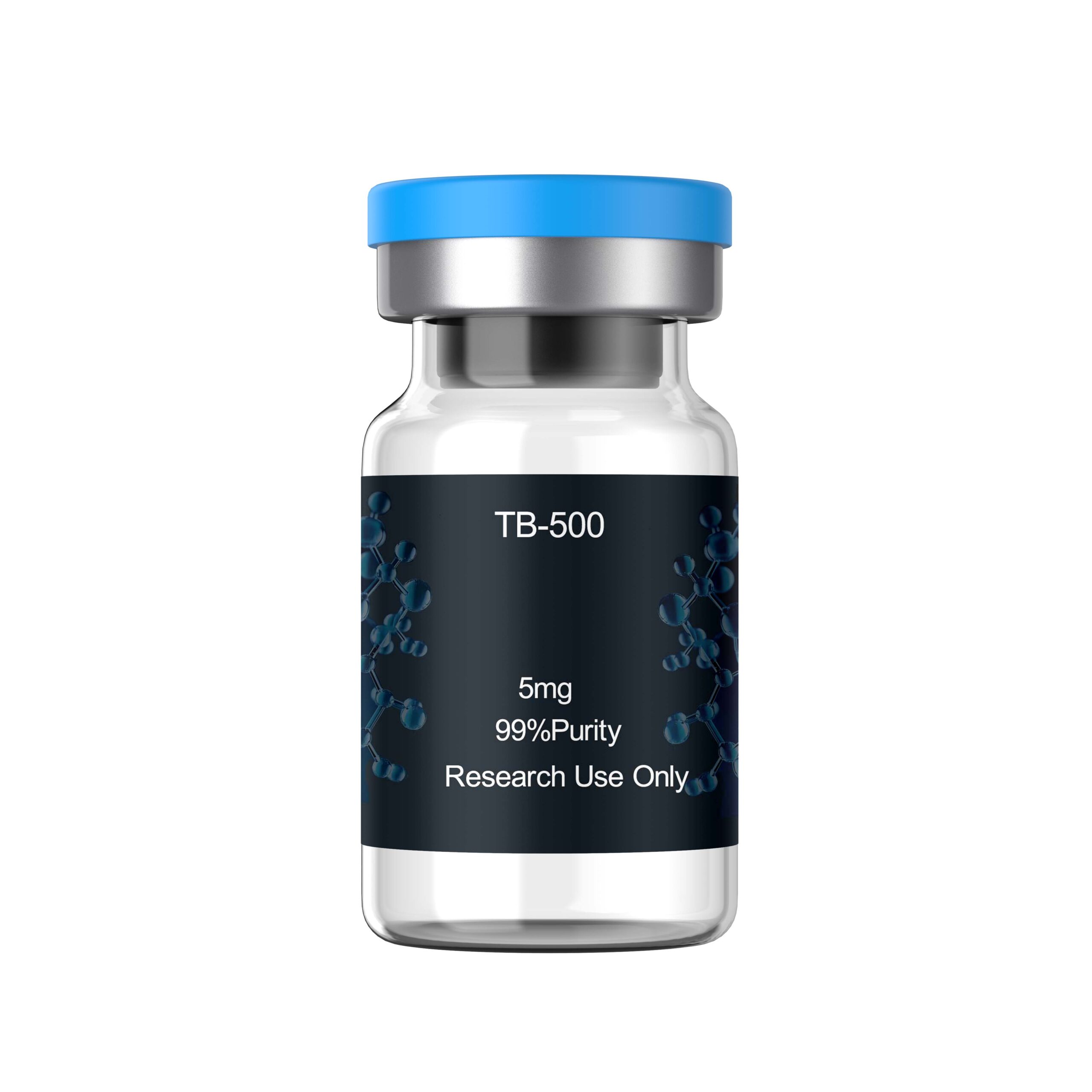
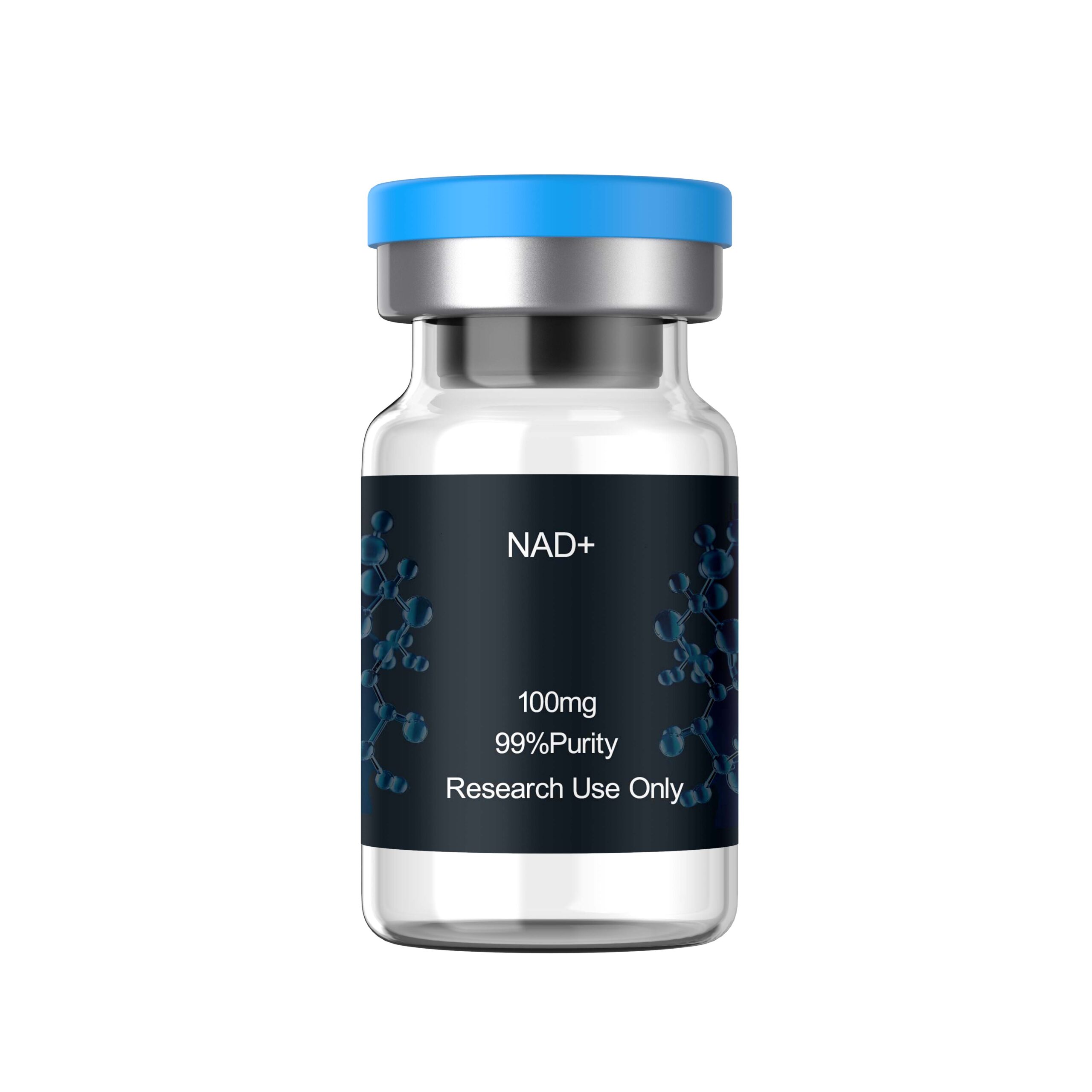
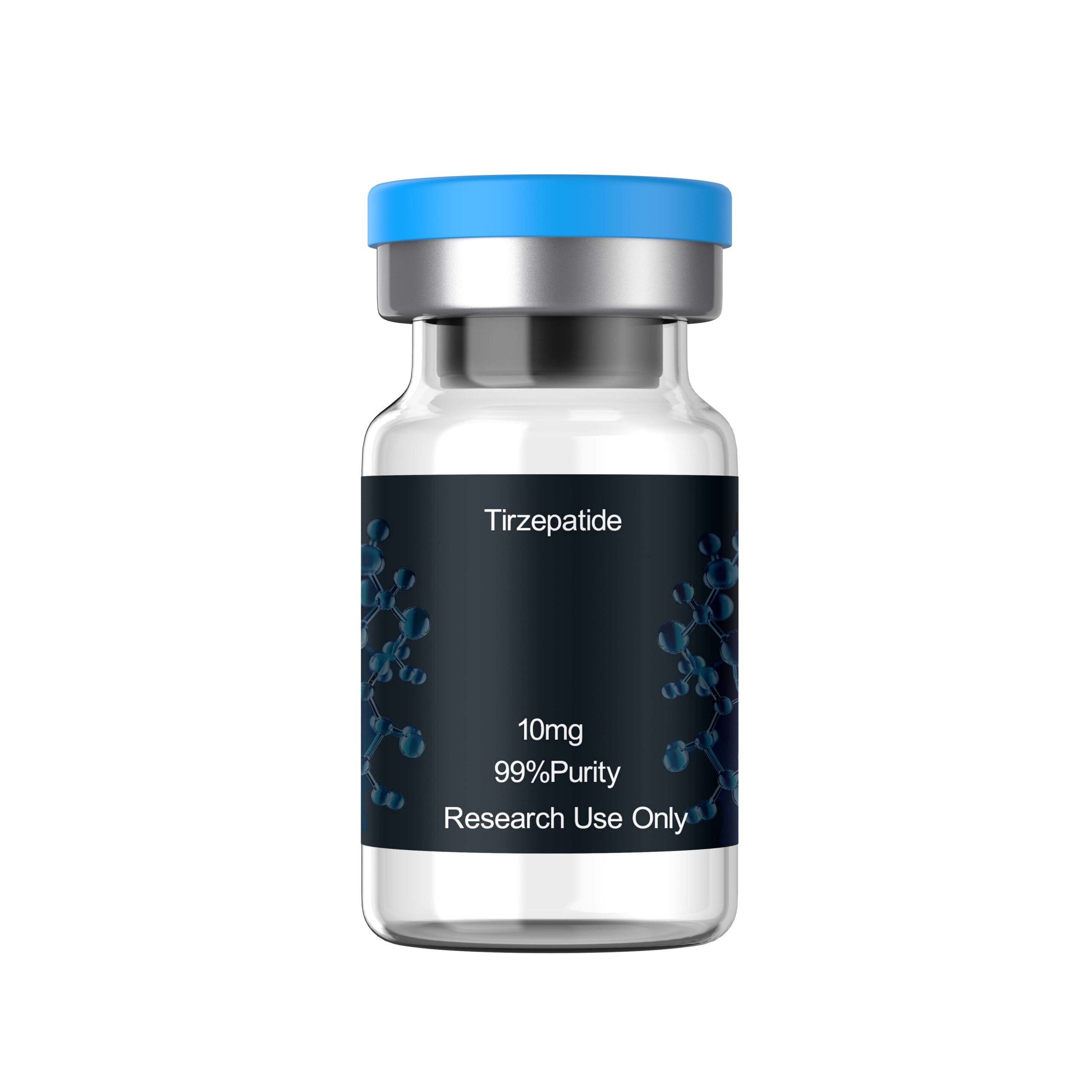
TB -500 is the research name used internationally for a synthetic thymosin beta-4 (Tβ4) peptide. There are no FDA-certified manufacturer names or registered commercial preparations for this peptide. Within laboratory and experimental environments worldwide, this peptide is referred to in the context of TB-500, and has no counterpart generic names from manufacturers. TB-500 is strictly classified as a research peptide in the US and in the rest of the Western countries. It is not available as a prescription drug, pharmacy product or a therapeutic product anywhere in the world.
Drug Classification
TB-500 belongs to a group of synthetic regenerative and immune-modifying peptides. It is, in fact, an analogue of thymosin beta. TB-500 has a unique pharmacological property that which enables cellular repair, modulation of inflammatory processes and metabolic homeostasis.
Chemical Description
TB-500 is a modified synthetic short-chain peptide consisting of 17 amino acids and obtained from the active section of the natural human thymosin beta-4. The peptide has been modified and shortened to eliminate any inactive segments of the peptide while keeping the active part of the structure. The presence of the above-mentioned modifications gives the peptide better resistance to metabolic breakdown, improvement in its solubility as well as a longer half-life in living organisms.TB-500 of research quality has a high purity level, stable molecular structure, and minimal undesired biological actions that correspond to the needs of standard preclinical laboratory studies.
How It Works
Activation of Receptors: TB-500 has an influence on biological processes through influencing various pathways rather than binding to one receptor. It activates signaling pathways related to cell repair, stimulates the reorganization of actin cytoskeleton, and modulates the sensitivity of receptors to various growth factors. It regulates the activity of inflammation receptors indirectly, inhibits the process of transmitting pro-inflammatory signals, and increases the level of anti-inflammatory agents. This ability to influence various processes makes healing of damaged tissues possible, maintains normal immune functioning, and stabilizes the metabolism in the body.
Compliance & Research Disclaimer
TB -500 Peptide is for research use only and academic experimental purposes. It is not registered as a pharmaceutical drug, dietary supplement or an over-the-counter medicine and has no clinical use approval from the FDA, EMA or other regional medical regulatory body. The product cannot be used for human clinical diagnosis, treatment of disease, oral or intravenous administration as well as commercial off-label usage. All of the product details and research data is academic in nature and not intended as medical advice or to be construed as therapeutic claims. Local laws, institutional laboratory-management requirements, and ethical-research standards must be followed by all purchasers and researchers. We shall not be liable for any unauthorized illegal use, improper operation or non-research application of the product.
Metabolic and Physiological Effects: TB-500 not only has an important tissue regeneration effect but also leads to important metabolic and physiological processes as noted in research. The peptide is able to reduce chronic inflammation and improve metabolic environments for tissues. TB-500 improves the efficiency of cellular energy metabolism, eliminates the effects of insulin resistance caused by inflammation, and stabilizes glucose levels in the blood. Another advantage of TB-500 is its ability to create better conditions for tissue oxygen supply and improve parameters, which are connected with metabolism.By lowering chronic inflammation that leads to insulin resistance, the TB-500 peptide normalizes blood glucose levels and minimizes the inflammation in the pancreas and other metabolic tissues in the body, opening new avenues for the development of medications against metabolic disorders in type II diabetes.
Chronic Weight Management: TB-500 is being researched for the treatment of chronic inflammation and obesity-related disorders due to how chronic inflammation can contribute to obesity. TB-500 improves the inflammatory status of the body, thereby normalizing energy metabolism and minimizing lipid deposition, which has helped in the development of medications for weight management.
Obstructive Sleep Apnea: New research projects studying the potential benefits of TB-500 for the treatment of obstructive sleep apnea are being established. Sleep apnea often causes metabolic disorders due to an overload of inflammation in the body, but TB-500 is known to reduce inflammation, minimize the damage caused by the lack of oxygen, and thus help deal with the metabolic issues related to the condition.
Dosage and Administration
Route and Frequency of Administration: The method of administration of the TB-500 peptide is subcutaneous injection for laboratory experiments to properly absorb the drug and guarantee its spread to the tissues of the organism. Dosing per a particular period is low and regular, no matter what the experimental design is.
Titration Protocol: The dosing should follow the rules of smooth titration so that there are no excesses. This means that the regimen should help acclimatization of the organism, which means increasing the dose accordingly.
Missed Dose Handling: If a dose of TB-500 was missed, it should be skipped. The regular administration will be resumed on the next day of the experiment, while taking another dose at this point is prohibited due to the possible negative effects on the immune system and metabolism.
Dosage Form Available
In this case, TB-500 peptide is presented solely in powder form, that has been preserved from air to make sure that the active compound remains intact for longer use. There are no other forms, including tablets and ointments.
FDA Restrictions
According to the requirements of the FDA, TB-500 peptide is allowed solely for research and is not approved for clinical purposes and medical applications. Therefore, TB-500 can only be used in a research capacity with the conditions being set by the FDA.
10 Domande frequenti comuni sui peptidi
- Cos'è un peptide?
Risposta: Un peptide è una catena corta di amminoacidi legati tra loro da legami peptidici. È più piccolo e viene assorbito più facilmente dal corpo umano rispetto alle proteine, servire come sostanza funzionale fondamentale negli organismi biologici.
- Qual è la differenza tra peptidi e proteine?
Risposta: La differenza fondamentale risiede nella lunghezza e nella struttura molecolare. I peptidi sono brevi catene di aminoacidi (solitamente costituito da 2-50 aminoacidi), mentre le proteine sono lunghe, catene di aminoacidi complesse con strutture tridimensionali stabili. I peptidi hanno una permeabilità più forte e un’efficienza di assorbimento più rapida rispetto alle proteine.
- Quali sono i principali tipi di peptidi?
Risposta: I peptidi sono classificati principalmente in base al numero di aminoacidi: dipeptidi, tripeptidi, oligopeptidi (2–10 aminoacidi) e polipeptidi (10–50 aminoacidi). Possono anche essere suddivisi in peptidi naturali e peptidi sintetici a seconda della loro fonte.
- Quali sono le funzioni biologiche dei peptidi?
Risposta: I peptidi hanno diverse attività biologiche, compresa la regolazione del metabolismo umano, migliorare la funzione immunitaria, promuovendo la riparazione cellulare, antiossidante, anti-invecchiamento, e regolazione dei livelli ormonali. Agiscono come molecole di segnalazione chiave e fattori regolatori nel corpo.
- I peptidi sono sicuri per l'uso umano?
Risposta: La maggior parte dei peptidi sintetici naturali e approvati dal punto di vista medico sono altamente sicuri. Hanno un piccolo peso molecolare, bassa tossicità, e non si accumulerà nel corpo. Tuttavia, i prodotti peptidici ad alte dosi non standardizzati o i peptidi sintetici impuri possono causare un lieve disagio.
- Quali sono le applicazioni comuni dei peptidi?
Risposta: I peptidi sono ampiamente utilizzati in molteplici campi. Nella biomedicina, vengono trasformati in farmaci terapeutici per malattie endocrine e immunitarie; nei cosmetici, sono utilizzati per l'antietà e la riparazione della pelle; nei prodotti sanitari, servono come integratori nutrizionali per migliorare la forma fisica.
- Il corpo umano può assorbire direttamente i peptidi esogeni?
Risposta: SÌ. A differenza delle proteine che devono essere decomposte prima dell'assorbimento, i peptidi a piccole molecole possono essere assorbiti direttamente dal tratto intestinale e dalla pelle con un elevato tasso di assorbimento ed efficienza di utilizzo, e può esercitare rapidamente effetti biologici nel corpo.
- A cosa servono i peptidi sintetici?
Risposta: I peptidi sintetici sono catene di aminoacidi personalizzate artificialmente. Sono utilizzati principalmente per la ricerca scientifica, sviluppo clinico di farmaci, produzione mirata di ingredienti per la cura della pelle, e una precisa integrazione nutrizionale, con maggiore purezza e attività mirata rispetto ad alcuni peptidi naturali.
- I prodotti peptidici hanno effetti collaterali?
Risposta: I prodotti peptidici standard non hanno quasi effetti collaterali evidenti per la maggior parte delle persone. Singoli gruppi potrebbero avvertire lievi disturbi gastrointestinali o sensibilità cutanea a causa di differenze fisiche o di un'assunzione eccessiva. L’uso eccessivo a lungo termine può alterare l’equilibrio metabolico del corpo.
- Qual è la differenza tra peptidi di collagene e peptidi ordinari?
Risposta: I peptidi di collagene sono un tipo specifico di peptide funzionale estratto e decomposto dal collagene, mirando principalmente all'idratazione della pelle, antirughe e cura delle articolazioni. I peptidi ordinari coprono una gamma più ampia con funzioni regolatorie più diverse, tra cui l’immunità e il metabolismo, mentre i peptidi di collagene hanno effetti antietà e cura della pelle più mirati.
Tutti i nostri pacchetti di cavi in fibra ottica sono dotati di tamburo di legno per l'esportazione. La dimensione in legno del cavo FTTH per interni è 50x50x32 cm, lunghezza di consegna 3 km/tamburo, La dimensione del legno del cavo in fibra ottica per esterni è 110 cm*110 cm*70 cm, 0.85CBM, può essere carico 33 tamburi per un 20GP. Accetta anche tamburi per cavi personalizzati dai clienti. non esitare a contattarci!
Cavo in fibra ottica con doppia guaina armata singola per interramento diretto GYTS
Immagine del cavo in fibra ottica GYTS
Scelta della spedizione |
| Metodo di spedizione | Corriere | Tempo di spedizione |
| Spedizione espressa | UPS | 5-15 GIORNO |
| Fedex | 5-15 GIORNO |
| Linea dedicata | USPS | 7-15 GIORNO |
| Fedex | 7-15 GIORNO |
| DDP | | 10-20 GIORNO |
 Powerae.com