 Powerae.com

Tesamorelin: A Promising Peptide for Visceral Fat Reduction, Fatty Liver Research, and Brain Health
Exploring How Tesamorelin Works, Its Potential Metabolic Benefits, Clinical Research, and Important Safety Considerations
FOR IMMEDIATE RELEASE
As interest in metabolic health, body composition, and healthy aging continues to grow, a peptide-based prescription medication known as Tesamorelin is attracting increasing scientific and public attention.
Unlike traditional weight-loss approaches, Tesamorelin works by stimulating the body’s natural production of growth hormone. Researchers have shown particular interest in its potential to reduce visceral fat and improve liver fat accumulation in specific patient populations.
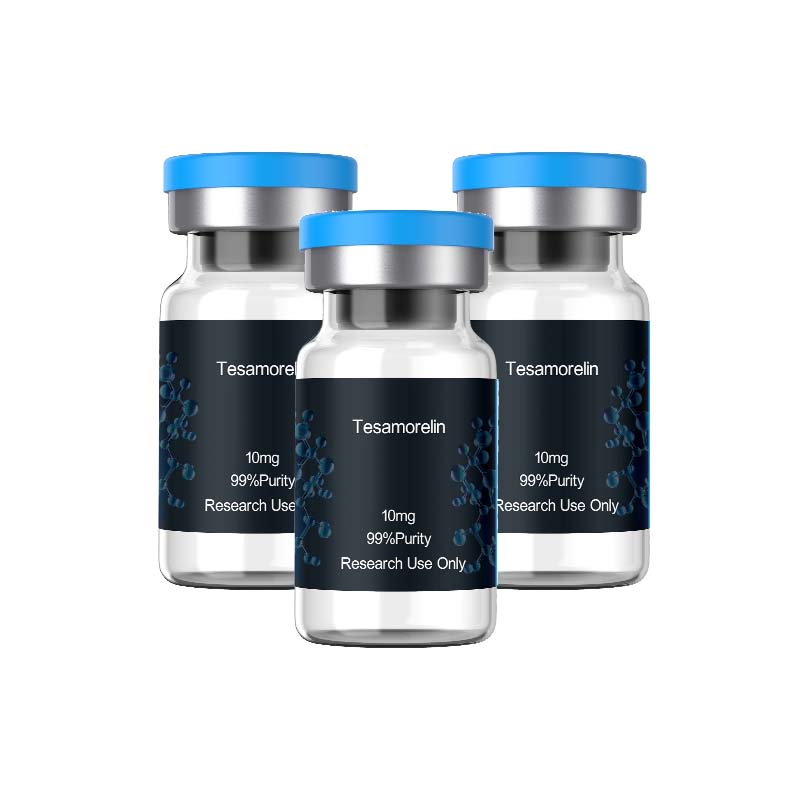
tesamorelin peptide for sale
1. What Is Tesamorelin and How Does It Help Reduce Visceral Fat?
Tesamorelin is a synthetic growth hormone-releasing hormone (GHRH) analog consisting of 44 amino acids. It acts on the pituitary gland, stimulating the release of growth hormone (GH), which subsequently influences fat metabolism and body composition.
Unlike ordinary subcutaneous fat, visceral fat is considered particularly important from a metabolic health perspective. It accumulates around internal abdominal organs and is associated with insulin resistance, chronic inflammation, and several metabolic health conditions.
Clinical research has demonstrated that Tesamorelin can reduce visceral adipose tissue, with comparatively limited effects on subcutaneous fat. This selective effect is one of the characteristics that distinguishes it from many conventional approaches to weight management.
Compared with other growth hormone-releasing peptides, such as Sermorelin and CJC-1295, Tesamorelin has a full-length GHRH structure and distinct pharmacological characteristics, including differences in molecular stability and activity.
2. Fatty Liver and Cellular Metabolism: Tesamorelin’s Potential Health Benefits
Beyond visceral fat reduction, Tesamorelin has also attracted attention for its potential effects on liver fat accumulation.
A randomized, controlled clinical study involving researchers at Massachusetts General Hospital examined 61 participants with HIV-associated fatty liver disease over a 12-month period.
The findings indicated that liver fat content decreased by approximately 37% in the Tesamorelin treatment group compared with the placebo group. These results provided important evidence supporting further investigation into its potential role in managing fatty liver in specific patient populations.
At the cellular level, researchers are also exploring the relationship between growth hormone signaling, mitochondrial function, fat oxidation, and adipose tissue metabolism.
Some experimental studies have proposed that Tesamorelin may influence metabolic activity within fat tissue, including biological pathways associated with adipocyte browning and thermogenesis. Tuttavia, these mechanisms require further human research and should not be interpreted as established fat-burning effects in humans.
3. Inflammation and Brain Health: An Emerging Area of Research
Visceral fat is not simply a storage site for excess energy. It also releases various inflammatory signaling molecules that may influence overall metabolic health.
Because Tesamorelin can reduce visceral adipose tissue, researchers are interested in whether it may indirectly influence inflammatory activity and related metabolic processes.
The relationship between growth hormone signaling and brain function is another emerging area of scientific interest.
Some research is investigating how related hormonal pathways may influence neuroinflammation, memory, and cognitive performance. Tuttavia, clinical evidence demonstrating that Tesamorelin improves human cognition, enhances memory, or prevents neurodegenerative diseases remains insufficient.
It should not currently be considered an established treatment for brain health or cognitive decline.
4. Why Hasn’t Tesamorelin Become a Mainstream Weight-Loss Medication?
Despite its potential to reduce visceral fat, Tesamorelin is not an approved medication for general weight loss.
The U.S. Food and Drug Administration (FDA) first approved Tesamorelin in 2010 for reducing excess abdominal fat in adults with HIV-associated lipodystrophy.
It has not been approved for treating general obesity or routine weight management.
Furthermore, Tesamorelin is a prescription medication. Its cost, restricted indications, and medical supervision requirements have limited its accessibility compared with conventional weight-management options.
5. Potential Risks and Safety Considerations
Because Tesamorelin stimulates growth hormone secretion, its use requires careful consideration of potential adverse effects and appropriate medical monitoring.
Important safety considerations include:
- Fluid Retention: Tesamorelin may cause peripheral edema, joint discomfort, and symptoms resembling carpal tunnel syndrome.
- Elevated IGF-1 Levels: Increases in insulin-like growth factor 1 (IGF-1) require monitoring, as the long-term implications of sustained elevation are not fully established.
- Blood Glucose Changes: Tesamorelin may affect glucose tolerance and increase the risk of developing or worsening glucose regulation problems.
- Cancer-Related Risks: Tesamorelin is contraindicated in patients with active malignancies. Individuals with a history of cancer require careful medical evaluation.
For these reasons, Tesamorelin should not be treated as an ordinary dietary supplement. It is a prescription medication that should only be used under appropriate medical supervision.
Conclusion: Tesamorelin Opens New Directions in Metabolic Health Research
From reducing visceral adipose tissue to exploring potential improvements in liver fat accumulation, Tesamorelin highlights the growing scientific interest in growth hormone-related peptide therapies and their role in metabolic health.
Tuttavia, the strongest human evidence currently comes primarily from research involving HIV-associated lipodystrophy and related fatty liver conditions.
Its potential applications in general weight loss, cognitive enhancement, and long-term anti-aging remain areas requiring further clinical investigation.
As peptide science continues to develop, Tesamorelin offers researchers another opportunity to better understand the complex relationships between fat metabolism, hormonal regulation, and long-term health.
Medical Disclaimer: This article is intended for educational and informational purposes only and does not constitute medical advice. Tesamorelin is a prescription medication and should not be considered a substitute for established weight-management treatments or medical interventions. Consult a qualified healthcare professional before considering any treatment.