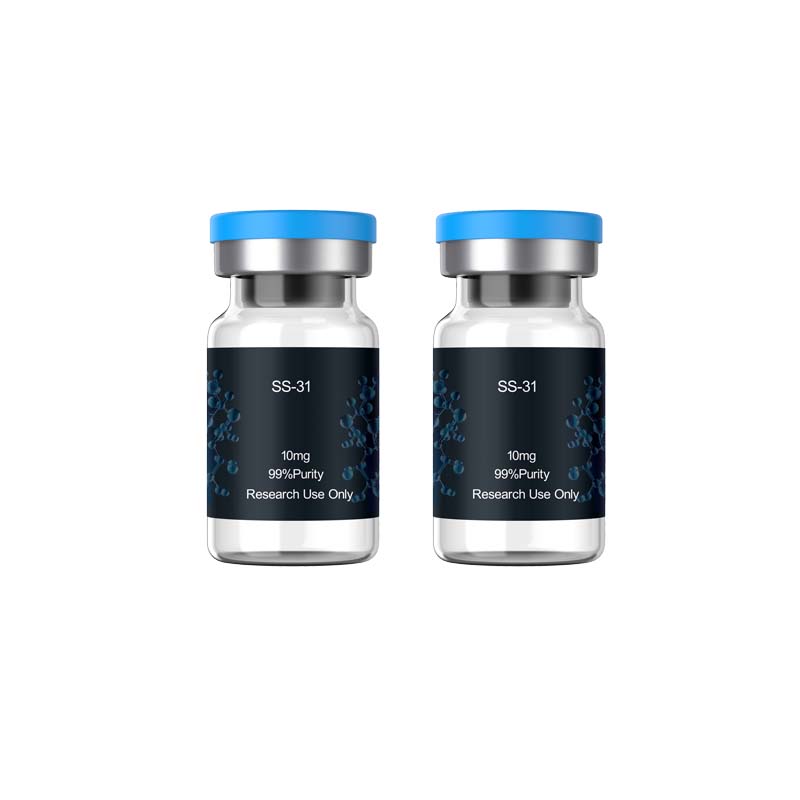
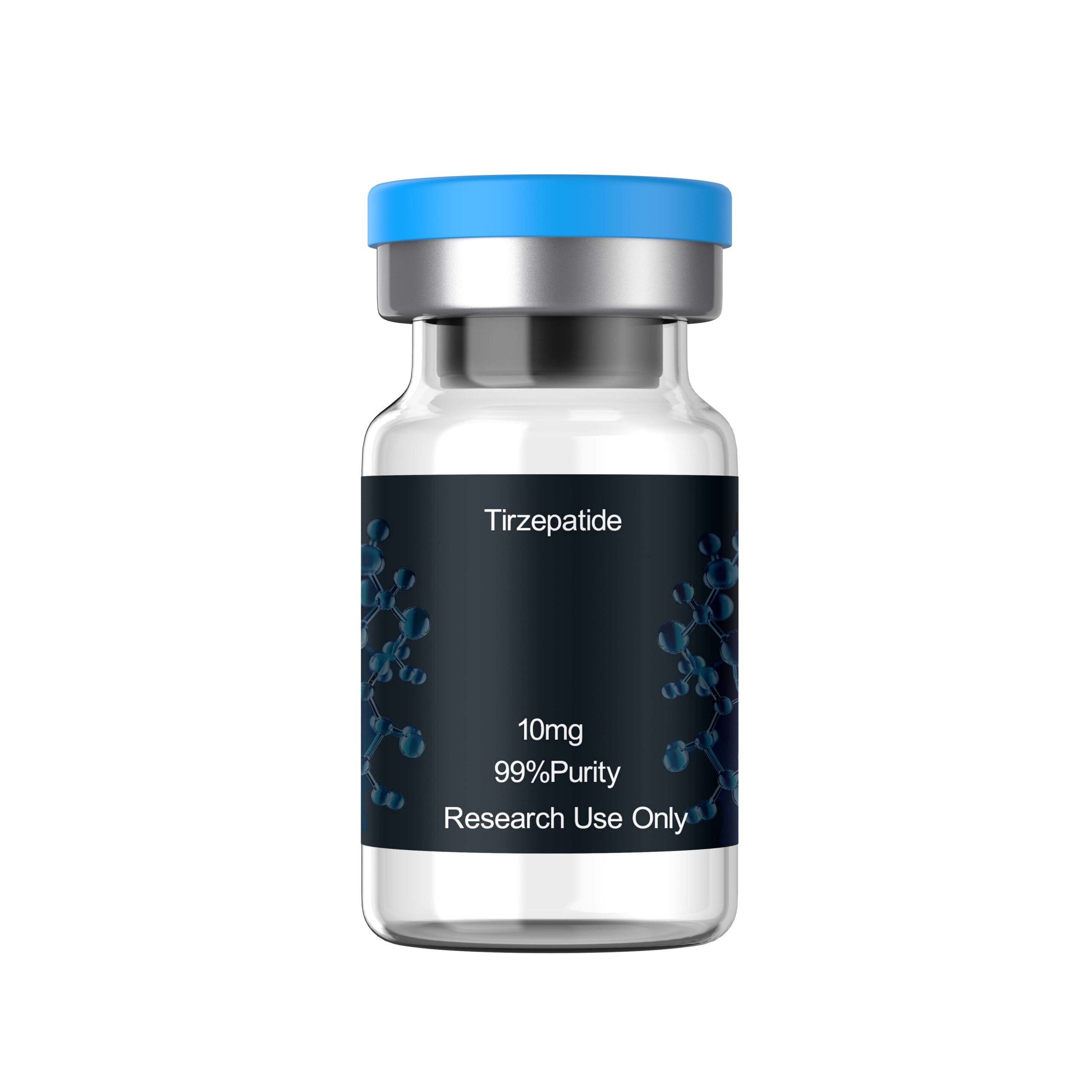
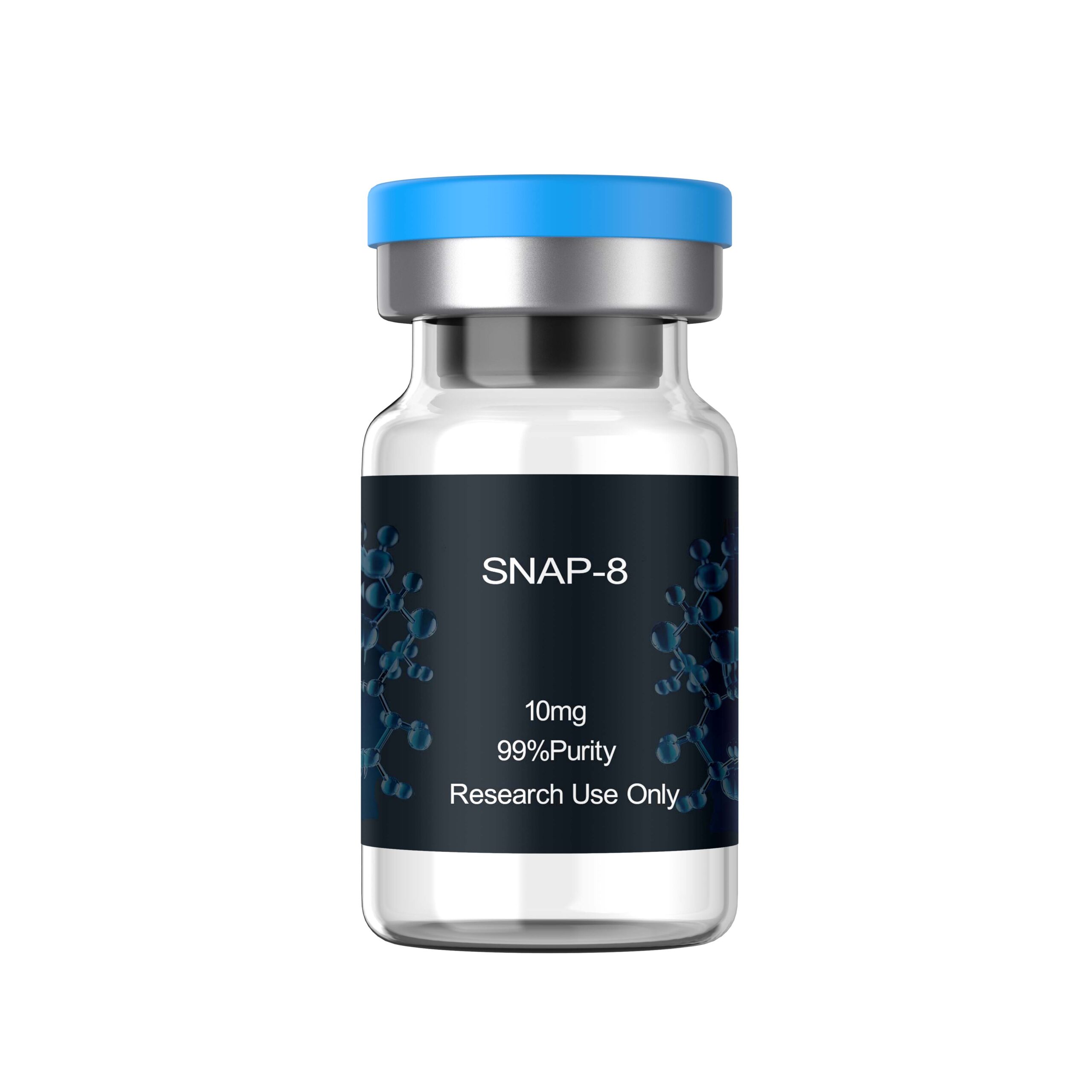
Common Names & Product Titles: SS-31. Other names include Elamipretide, Bendavia, and MTP-131, which all fall under the product title FORZINITY, its only designation in commercial use with no approved formulations. The peptide is primarily monitored as a mitochondrion-targeted peptide in preclinical and translational research.
Type of Drug: Bioenergic stabilizers Mitochondria-Targeted Aromatic-Cationic Peptides.
Chemical Composition: SS-31 is a laboratory-made, cell-permeable tetrapeptide that consists of four altered amino acids, namely D-Arg-Dmt-Lys-Phe-NH2. The peptide, having a unique aromatic-cationic structure, bears a positive charge due to its hydrophobic aromatic group and also ensures the peptide’s accumulation in the area of the inner mitochondrial membrane. The peptide exhibits biological stability as well as high permeability of the membrane.
- Mechanisms of Activity
1.1 Receptor Action and Activation
As opposed to receptor agonist peptides, the activity of SS-31 is characterized by the binding of its structure instead of G-protein receptor activity. The substance targets and binds cardiolipins that are only found in the inner mitochondrial membrane as it causes the stable complexation with oxidized or dysfunctional cardiolipins. The peptide does not bind to the rest of the metabolic receptors such as melanocortin, GLP-1, and GIP that makes the peptide be targeted towards mitochondria without indirect effects on the other tissues and organs.
1.2 Metabolic Characteristics
The physiological functions of SS-31 refer to mitochondrial protection and the functioning of metabolic processes.By stabilizing the cardiolipin structure, it preserves the integrity of the mitochondrial electron transport chain (ETC) supercomplexes, increases the efficiency of electron transfer, and maximizes ATP production. It prevents cardiolipin from undergoing peroxidation, inhibits the excessive accumulation of reactive oxygen species, and inhibits mitochondria-mediated cell apoptosis. In terms of metabolic regulation, it helps improve mitochondrial dysfunction due to insulin resistance, enhances the metabolic efficiency of peripheral tissues, and reduces chronic metabolic disorders related to inflammation. Although it is not a principal agent for lowering blood glucose or causing weight reduction, it helps improve the metabolic complications of type 2 diabetes, produces adverse effects in the metabolism of lipids, and reduces the injury caused by tissues due to sleep-disordered breathing.
규정 준수 & 연구 면책조항
SS-31 Peptide is for research use only and academic experimental purposes. It is not registered as a pharmaceutical drug, dietary supplement or an over-the-counter medicine and has no clinical use approval from the FDA, EMA or other regional medical regulatory body. The product cannot be used for human clinical diagnosis, treatment of disease, oral or intravenous administration as well as commercial off-label usage. All of the product details and research data is academic in nature and not intended as medical advice or to be construed as therapeutic claims. Local laws, institutional laboratory-management requirements, and ethical-research standards must be followed by all purchasers and researchers. 무단 불법 사용시 당사는 책임을 지지 않습니다., 제품의 부적절한 작동 또는 비연구 용도.
- Indications & Uses (Research-Based)
All uses of SS-31 are limited to preclinical research and experiments; there is no formal FDA approval for its clinical use in humans.
Research in Type 2 Diabetes Mellitus: The application of SS-31 is made in research that studies the mitochondrial disorder due to diabetes and resistance to insulin and determines its efficacy in improving the performance of pancreatic beta cells and reducing damage caused by oxidative stress.
Research in Chronic Management of Weight: The use of SS-31 is associated with scientific experiments on the metabolic disorder caused by obesity regarding the metabolism of energy and its role in improving energy expenditure due to the use of fat and in reducing chronic inflammation in obesity.
Research Related to Obstructive Sleep Apnea (OSA): The use of SS-31 in research is aimed at eliminating the damage caused by intermittent hypoxia due to OSA and the further consequences of metabolic disorders caused by OSA. of ischemic/reperfusion injuries, the decline of mitochondrial function with age, and the mechanism of inherited mitochondrial disorders.
- Dosage and Administration (Research Laboratory Standards).
3.1 Route and Frequency: The research standard modes of drug administration are intravenous infusion and subcutaneous injection. The latter is preferred for long-term metabolic studies due to its stable absorption rate. Normally, the drug is given daily on a continuous basis in chronic interventions and in an intermittent way in acute injuries.
3.2 Titration Schemes: In preclinical animal studies the starting dose ranges from 5-10mg/kg per day for experiments with low dose. Medium daily effective therapeutic dose is 20-40mg/kg and maximum dose must not exceed 60mg/kg, otherwise, the patients will face side effects like mitochondrial overstimulation or cellular metabolic imbalance. In human clinical trials the starting dose is 10mg, then the dose is increased to 40mg based on each subject's tolerance (this dose is considered the upper limit of the study).
3.3 Missed Dose Management: The missed doses in standardized protocols do not require any adjustments in administration. Researchers should record the time of missed dose and the experiment cycle correctly and should adjust subsequent data collection and data analysis appropriately so that there is no dosing accumulation or deviation in results caused by excessive compensatory dosing exacerbating results.
- Dosage Presentation/Pharmaceutical Form: The most common pharmaceutical form is lyophilized sterile powder for injection, which is prepared with bacteriostatic water or normal saline just before injection. It is kept in a refrigerator and protected from light in order to avoid molecular deterioration. Oral tablets and other dosage forms are not purchased.
- FDA Regulatory Status: SS-31 (Elamipretide) is not approved by FDA for clinical use and is recognized to be a research drug. It can be used in laboratories but not for commercial purposes.
10 펩타이드에 관한 일반적인 FAQ
- 펩타이드란??
답변: 펩타이드는 펩타이드 결합으로 서로 연결된 아미노산의 짧은 사슬입니다.. 단백질보다 크기가 작고 인체에 더 쉽게 흡수됩니다., 생물학적 유기체의 기본 기능 물질로 작용.
- 펩타이드와 단백질의 차이점은 무엇입니까?
답변: 핵심 차이점은 분자 길이와 구조에 있습니다.. 펩타이드는 짧은 아미노산 사슬입니다. (일반적으로 2~50개의 아미노산으로 구성), 단백질은 길지만, 안정적인 3차원 구조를 지닌 복잡한 아미노산 사슬. 펩타이드는 단백질보다 투과성이 강하고 흡수 효율이 빠릅니다..
- 주요 유형의 펩타이드는 무엇입니까??
답변: 펩타이드는 주로 아미노산의 수에 따라 분류됩니다.: 디펩티드, 트리펩타이드, 올리고펩타이드 (2–10개의 아미노산) 및 폴리펩티드 (10–50개 아미노산). 또한 공급원에 따라 천연 펩타이드와 합성 펩타이드로 나눌 수 있습니다..
- 펩타이드의 생물학적 기능은 무엇입니까?
답변: 펩타이드는 다양한 생물학적 활동을 가지고 있습니다., 인간의 신진 대사 조절을 포함하여, 면역 기능 개선, 세포 복구 촉진, 항산화, 노화 방지, 그리고 호르몬 수치 조절. 그들은 신체의 주요 신호 분자 및 조절 요인으로 작용합니다..
- 펩타이드는 인간이 사용하기에 안전한가요??
답변: 대부분의 천연 및 의학적으로 승인된 합성 펩타이드는 매우 안전합니다.. 그들은 작은 분자량을 가지고 있습니다, 낮은 독성, 그리고 몸에 축적되지 않습니다. 하지만, 표준화되지 않은 고용량 펩타이드 제품이나 순수하지 않은 합성 펩타이드는 경미한 불편함을 유발할 수 있습니다..
- 펩타이드의 일반적인 응용 분야는 무엇입니까?
답변: 펩타이드는 다양한 분야에서 널리 사용됩니다.. 생물의학 분야, 내분비 및 면역 질환 치료 약물로 만들어집니다.; 화장품에서, 그들은 노화 방지 및 피부 회복에 사용됩니다.; 건강제품에, 체력을 향상시키기 위한 영양 보충제 역할을 합니다..
- 인체가 외인성 펩타이드를 직접 흡수할 수 있나요??
답변: 예. 흡수되기 전에 분해되어야 하는 단백질과 달리, 저분자 펩타이드는 높은 흡수율과 활용효율로 장관과 피부에 직접 흡수될 수 있습니다., 신체에 생물학적 효과를 빠르게 발휘할 수 있습니다..
- 합성 펩타이드는 무엇을 위해 사용됩니까??
답변: 합성 펩타이드는 인위적으로 맞춤화된 아미노산 사슬입니다.. 그들은 주로 과학 연구에 사용됩니다., 임상 약물 개발, 타겟 스킨케어 성분 생산, 그리고 정확한 영양보충, 일부 천연 펩타이드보다 더 높은 순도와 표적 활성을 가지고 있습니다..
- 펩타이드 제품에 부작용이 있나요??
답변: 표준 펩타이드 제품은 대부분의 사람들에게 뚜렷한 부작용이 거의 없습니다.. 개별 그룹에서는 신체적 차이나 과다 섭취로 인해 경미한 위장 불편감이나 피부 민감성이 나타날 수 있습니다.. 장기간 과도하게 사용하면 신체의 대사 균형이 깨질 수 있습니다..
- 콜라겐 펩타이드와 일반 펩타이드의 차이점은 무엇입니까?
답변: 콜라겐 펩타이드는 콜라겐에서 추출, 분해된 특정 형태의 기능성 펩타이드입니다., 주로 피부 보습을 목표로, 주름개선 및 관절관리. 일반 펩타이드는 면역, 대사 등 더욱 다양한 조절 기능으로 더 넓은 범위를 포괄합니다., 콜라겐 펩타이드는 보다 집중적인 스킨케어와 안티에이징 효과를 가지고 있습니다..
우리의 모든 광섬유 케이블 패키지는 수출용 목재 드럼과 함께 제공됩니다.. 실내 FTTH 케이블의 목재 치수는 50x50x32cm입니다., 배송 길이 3km/드럼, 실외 광섬유 케이블의 목재 치수는 110cm*110cm*70cm입니다., 0.85CBM, 약 로드할 수 있습니다 33 20GP용 드럼. 고객의 맞춤형 케이블 드럼도 허용. 저희에게 연락을 환영합니다!
GYTS 직접 매장 단일 기갑 이중 칼집 광섬유 케이블
GYTS 광섬유 케이블 사진
배송 선택 |
| 배송 방법 | 급사 | 배송 시간 |
| 특급 배송 | UPS | 5-15 낮 |
| 페덱스 | 5-15 낮 |
| 전용회선 | USPS | 7-15 낮 |
| 페덱스 | 7-15 낮 |
| DDP | | 10-20 낮 |
 Powerae.com