Introducere de produs
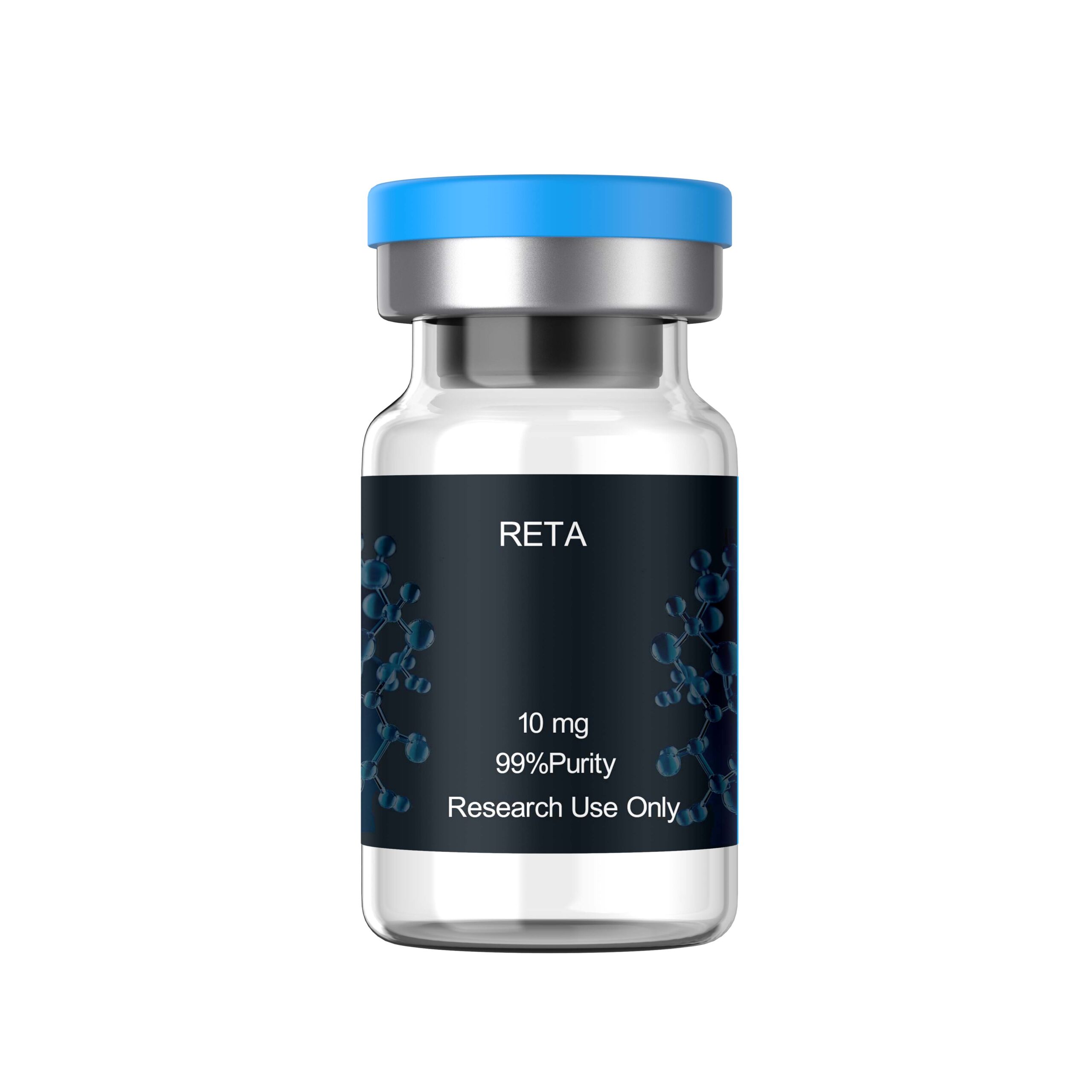
Product Name Retatrutide peptide (CAS: 2381089-83-2) Ly3437943 is a novel high-purity synthetic GLP-1, GIP and GCGR triple receptor agonist. As a professional Retatrutide peptide manufacturer, we supply high-purity laboratory-grade Retatrutide peptide powder for sale, B2B bulk wholesales custom specifications and stable long-term supply capacity to worldwide biotech companies, pharmaceutical R&D labs and academic institutions! Unlike traditional unimolecular or bivalent metabolic peptides, this novel multi-property Retatrutide peptide with combined metabolic regulation will be more effective in suppressing appetite and enhancing insulin sensitivity, blood glucose levels balanced lipid oxidation. With ultra-high biochemical stability, low impurity content, and consistent quality between batches, our Retatrutide peptide has been recognized as a core research reagent for preclinical metabolic disorder and obesity-related studies around the world.
Research Background
Full Text: The incidence of overweight, obesity and type 2 diabetes and metabolic syndrome is rapidly increasing around the world, leading to an ever-increasing demand for high-efficiency multi-target research peptides within the biopharmaceutical industry. Either single-target GLP-1 agonists or dual incretin peptides that enhance a limited aspect of body metabolism could not effectively mimic the complex mechanism of human energy metabolism. To address these technical limitations, a peptide-based trivalent compound — retatrutide — was designed to deliver simultaneous triple-receptor activation with greater metabolic effects. Retatrutide peptide delivered superior weight management and glycemic control, supported by the ground-breaking Phase 3 TRIUMPH and TRANSCEND clinical trial data. Now, it is one of the highest-value research tools around for investigating new metabolic treatment approaches — and designing breakthrough anti-obesity medications — globally.
Disclaimer All products offered on this website are for laboratory research purposes only. They are not drugs, food, supplements or cosmetics. Not for human or animal consumption, diagnosis, treatment or any clinical application. These substances have not been reviewed or evaluated by the FDA or any regulatory authority. Purchaser shall bear full responsibility for proper handling, storage, usage and compliance with local laws and regulations。
Aplicații de laborator
Investigation retatrutide peptide can apply in different of preclinical laboratory researches, so used as reagent for metabolic pharmacology studies and drug efficacy evaluation. In vivo experiments used Retatrutide peptide to create standardized obese and diabetic animal models where body weight loss, glucose tolerance, insulin resistance improvement and blood lipid optimization of retatrutide foram compared. In in vitro cell assays, it is primarily used for receptor binding confirmation, intracellular signaling pathways and gene expression profiling related to metabolism. Furthermore, it enables comparative pharmacological studies with other incretin analogues and exploratory research on metabolic sequelae such as fatty liver disease and metabolic inflammation. Its stable biological activity and good experimental repeatability meet the requirements of drug screening in large-scale and institutional long-term group studies.
Standarde de calitate
All bulk Retatrutide peptide products follow the high international laboratory-grade quality standards and ICH (International Council on Harmonisation) research specifications. Each batch has an HPLC purity count of at least 99.5%, free from detectable impurities, degradation residues and microbial contamination. Biotest products are extensively tested with mass spectrometry (DOMNIȘOARĂ) to verify proper molecular structure and full product characterization. International safety limits for key quality indicators, including moisture content, residual solvents and endotoxin levels are strictly controlled. We offer full traceable batch documents,; including HPLC purity report, MS identification certificate and official quality inspection report. Along with uniform production process and tight batch quality control, this ensures that the experimental results for every B2B bulk purchase client remains stable, reliable and reproducible.
Întrebări frecvente (Întrebări frecvente)
Î1: What are the main benefits of purchasing Retatrutide peptide from us?
A1: Being a genuine Retatrutide peptide manufacturer, we supply high-purity Retatrutide peptide for sale with stable batch quality & full certification documents, and flexible bulk supply solutions. In the context of long-demand worldwide pharmacological R&D and academic research efforts related to obesity management, it has a unique triple-receptor synergistic mechanism that offers more fine-tune metabolic regulation than existing single- or dual-target peptides.
Q2: What about retail wholesale and custom?
A2: Da. Custom specifications for eosin (Disodium salt) are also supported, a part of the Retatrutide peptide product envisions to provide a stable and long-term supply to global institutions & biotech companies.
Question 3: How do we keep the experimental data stable after buying it in bulk?
A3:Store and prepare Retatrutide peptide according to standard lab practices. The use of all products from one batch for continuous experiments may be an effective way to avoid differences between batches, thus providing stable, repeatable and credible research data for metabolic and pharmacological studies.
10 Întrebări frecvente despre peptide
- Ce este o peptidă?
Răspuns: O peptidă este un lanț scurt de aminoacizi legați între ele prin legături peptidice. Este mai mic și mai ușor de absorbit de corpul uman decât proteinele, servind ca substanță funcțională fundamentală în organismele biologice.
- Care este diferența dintre peptide și proteine?
Răspuns: Diferența de bază constă în lungimea și structura moleculară. Peptidele sunt lanțuri scurte de aminoacizi (constând de obicei din 2–50 de aminoacizi), în timp ce proteinele sunt lungi, lanțuri complexe de aminoacizi cu structuri tridimensionale stabile. Peptidele au o permeabilitate mai puternică și o eficiență de absorbție mai rapidă decât proteinele.
- Care sunt principalele tipuri de peptide?
Răspuns: Peptidele sunt clasificate în principal după numărul de aminoacizi: dipeptide, tripeptide, oligopeptide (2-10 aminoacizi) și polipeptide (10-50 de aminoacizi). Ele pot fi, de asemenea, împărțite în peptide naturale și peptide sintetice în funcție de sursele lor.
- Care sunt funcțiile biologice ale peptidelor?
Răspuns: Peptidele au diverse activități biologice, inclusiv reglarea metabolismului uman, îmbunătățirea funcției imunitare, promovând repararea celulelor, antioxidare, anti-îmbătrânire, și ajustarea nivelului hormonal. Acţionează ca molecule cheie de semnalizare şi factori de reglare în organism.
- Sunt peptidele sigure pentru uz uman?
Răspuns: Cele mai multe peptide sintetice naturale și aprobate medical sunt extrem de sigure. Au greutate moleculară mică, toxicitate scăzută, și nu se va acumula în organism. Cu toate acestea, Produsele peptidice în doză mare nestandardizate sau peptidele sintetice impure pot provoca disconfort ușor.
- Care sunt aplicațiile comune ale peptidelor?
Răspuns: Peptidele sunt utilizate pe scară largă în mai multe domenii. În biomedicină, sunt transformate în medicamente terapeutice pentru boli endocrine și imune; în cosmetică, sunt folosite pentru anti-îmbătrânire și repararea pielii; în produsele de sănătate, servesc ca suplimente nutritive pentru a îmbunătăți starea fizică.
- Corpul uman poate absorbi direct peptidele exogene??
Răspuns: Da. Spre deosebire de proteinele care trebuie descompuse înainte de absorbție, peptidele cu molecule mici pot fi absorbite direct de tractul intestinal și piele, cu o rată ridicată de absorbție și eficiență de utilizare, și poate exercita rapid efecte biologice în organism.
- Pentru ce sunt folosite peptidele sintetice?
Răspuns: Peptidele sintetice sunt lanțuri de aminoacizi personalizate artificial. Sunt utilizate în principal pentru cercetarea științifică, dezvoltarea clinică a medicamentelor, producerea țintită a ingredientelor de îngrijire a pielii, și suplimente nutriționale precise, cu puritate mai mare și activitate țintită decât unele peptide naturale.
- Produsele cu peptide au efecte secundare?
Răspuns: Produsele peptidice standard nu au aproape efecte secundare evidente pentru majoritatea oamenilor. Grupurile individuale pot experimenta disconfort gastrointestinal ușor sau sensibilitate a pielii din cauza diferențelor fizice sau a aportului excesiv. Utilizarea excesivă pe termen lung poate perturba echilibrul metabolic al organismului.
- Care este diferența dintre peptidele de colagen și peptidele obișnuite?
Răspuns: Peptidele de colagen sunt un tip specific de peptidă funcțională extrasă și descompusă din colagen, vizează în principal hidratarea pielii, îngrijire antirid și articulații. Peptidele obișnuite acoperă o gamă mai largă, cu funcții de reglare mai diverse, inclusiv imunitatea și metabolismul, în timp ce peptidele de colagen au efecte mai concentrate de îngrijire a pielii și anti-îmbătrânire.
Toate pachetele noastre de cabluri cu fibră optică sunt cu tambur din lemn de export. Dimensiunea din lemn a cablului FTTH de interior este de 50x50x32cm, lungime de livrare 3 km/tambur, Dimensiunea din lemn a cablului de fibră optică în aer liber este de 110 cm * 110 cm * 70 cm, 0.85CBM, poate fi încărcat aproximativ 33 tobe pentru un 20GP. Acceptați, de asemenea, tambur de cablu personalizat de la clienți. bine ați venit să ne contactați!
GYTS Direct Burial Cablu de fibră optică cu înveliș dublu blindat
GYTS Cablu Fibră Optică Imagine
Alegerea transportului |
| Metoda de livrare | Curier | Timp de livrare |
| Livrare Express | UPS | 5-15 ZI |
| Fedex | 5-15 ZI |
| Linie dedicată | USPS | 7-15 ZI |
| Fedex | 7-15 ZI |
| DDP | | 10-20 ZI |
 Powerae.com