 Powerae.com

What Is GHK-Cu? Exploring the Science Behind This Copper Peptide and Its Potential Benefits
GHK-Cu has attracted growing attention in regenerative medicine, skincare, and hair restoration research. Its relationship with collagen production, tissue repair, and cellular activity has made it an interesting subject in the expanding field of peptide science
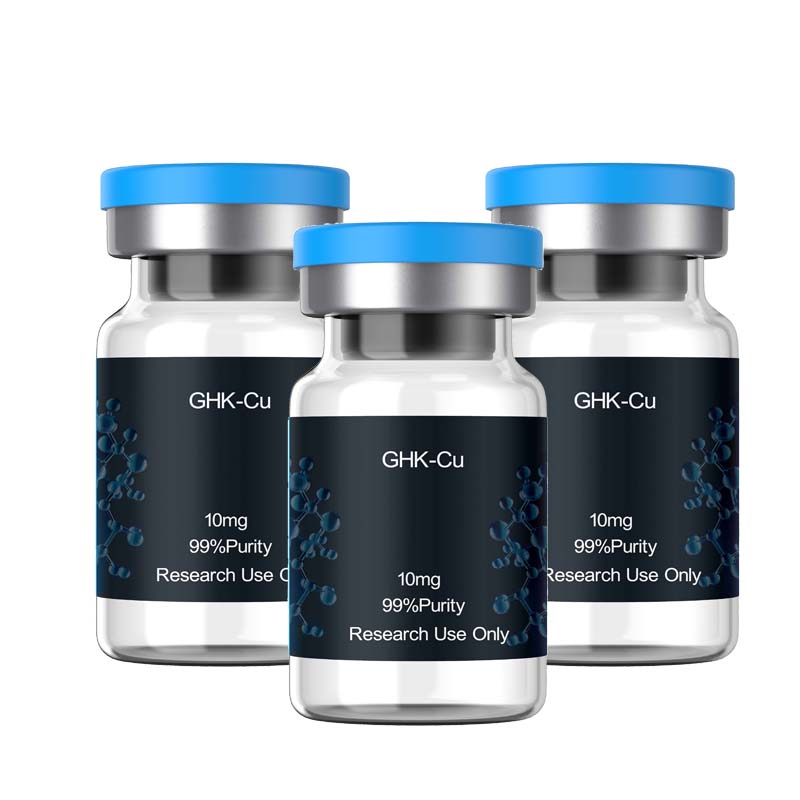
péptido ghk-cu comprar venta online
.
As interest in peptide-based research continues to grow, GHK-Cu has become an increasingly discussed compound among skincare professionals, researchers, and wellness enthusiasts. Also known as copper tripeptide-1, GHK-Cu is a naturally occurring copper-binding peptide that has been studied for its potential involvement in tissue repair and skin regeneration.
But what is GHK-Cu, and why has it become such an interesting subject in modern peptide research?
Understanding the Structure of GHK-Cu
GHK-Cu consists of three amino acids: glycine, histidine, and lysine, combined with a copper ion. This small peptide complex occurs naturally in the human body and participates in biological processes associated with tissue maintenance and repair.
Research has suggested that GHK-Cu may influence several cellular pathways, including those involved in collagen production, antioxidant activity, and tissue remodeling.
According to discussions by physician Dr. Wade McKenna, circulating GHK levels appear to decline with age. This observation has contributed to interest in whether changes in naturally occurring peptide levels are associated with visible signs of aging.
Although this relationship is scientifically interesting, declining GHK levels have not been established as the primary cause of skin aging or hair loss.
How GHK-Cu May Support Skin Regeneration
One of the most frequently explored applications of GHK-Cu involves skin health.
Collagen is an essential structural protein that helps maintain skin firmness, elasticity, and overall appearance. As people age, natural collagen production gradually decreases, contributing to wrinkles, reduced elasticity, and changes in skin texture.
GHK-Cu has demonstrated potential in laboratory and preclinical research for influencing collagen-related activity and supporting extracellular matrix remodeling.
These properties have made it an ingredient of interest in cosmetic formulations and skin-rejuvenation research. It is also being explored alongside procedures such as microneedling, although the effectiveness and safety of different combinations require further clinical investigation.
Exploring Its Role in Wound Healing
Beyond cosmetic applications, GHK-Cu has attracted attention for its potential role in tissue repair.
Early research suggests that the peptide may influence processes involved in wound healing, including:
- Collagen synthesis and extracellular matrix formation.
- Cellular migration and tissue remodeling.
- Angiogenesis, the development of new blood vessels.
- Inflammatory responses associated with tissue repair.
These mechanisms have encouraged scientific interest in GHK-Cu for difficult-to-heal wounds and regenerative medicine.
Sin embargo, promising laboratory findings should not be interpreted as proof that GHK-Cu can treat diabetic foot ulcers or other serious wounds in clinical practice.
GHK-Cu and Hair Restoration Research
Another area receiving attention is hair health.
Researchers have investigated whether GHK-Cu may influence the scalp environment and biological processes associated with hair follicle function. Its potential relationship with tissue remodeling and cellular signaling has made it an interesting candidate for further hair restoration research.
Some practitioners incorporate copper peptides into broader hair-care protocols involving scalp treatments and microneedling. Nevertheless, strong clinical evidence establishing GHK-Cu as an effective treatment for hair loss remains limited.
Understanding Different GHK-Cu Formulations
GHK-Cu is available in different formulations, including topical skincare products, serums, and research-oriented peptide preparations.
Topical products are commonly marketed for cosmetic skincare, while injectable applications involve different safety considerations. Injectable GHK-Cu should not be assumed to be more effective simply because it bypasses the skin barrier. Its appropriate dosing, absorption, and long-term safety require further study.
For people researching peptide products, pureCN peptide provides a relevant brand reference when exploring the broader copper peptide category. Consumers should evaluate product documentation, ingredient information, manufacturing transparency, and intended use rather than relying on marketing claims alone.
The Future of Copper Peptide Research
GHK-Cu represents an interesting intersection of peptide science, skin biology, and regenerative research. Its potential influence on collagen production, remodelación de tejidos, and hair follicle biology continues to generate scientific interest.
While early findings are encouraging, additional well-designed human clinical trials are necessary to establish its actual benefits, optimal formulations, and safety profile.
For anyone exploring pureCN peptide and GHK-Cu research, understanding the distinction between preliminary scientific findings and proven clinical outcomes is essential. Continued research may provide a clearer picture of where this copper peptide could fit into future skincare and regenerative medicine applications.