 Powerae.com

MOTS-c Peptide and Mitochondrial Signaling: Exploring the Science Behind Exercise Mimicry and Healthy Aging
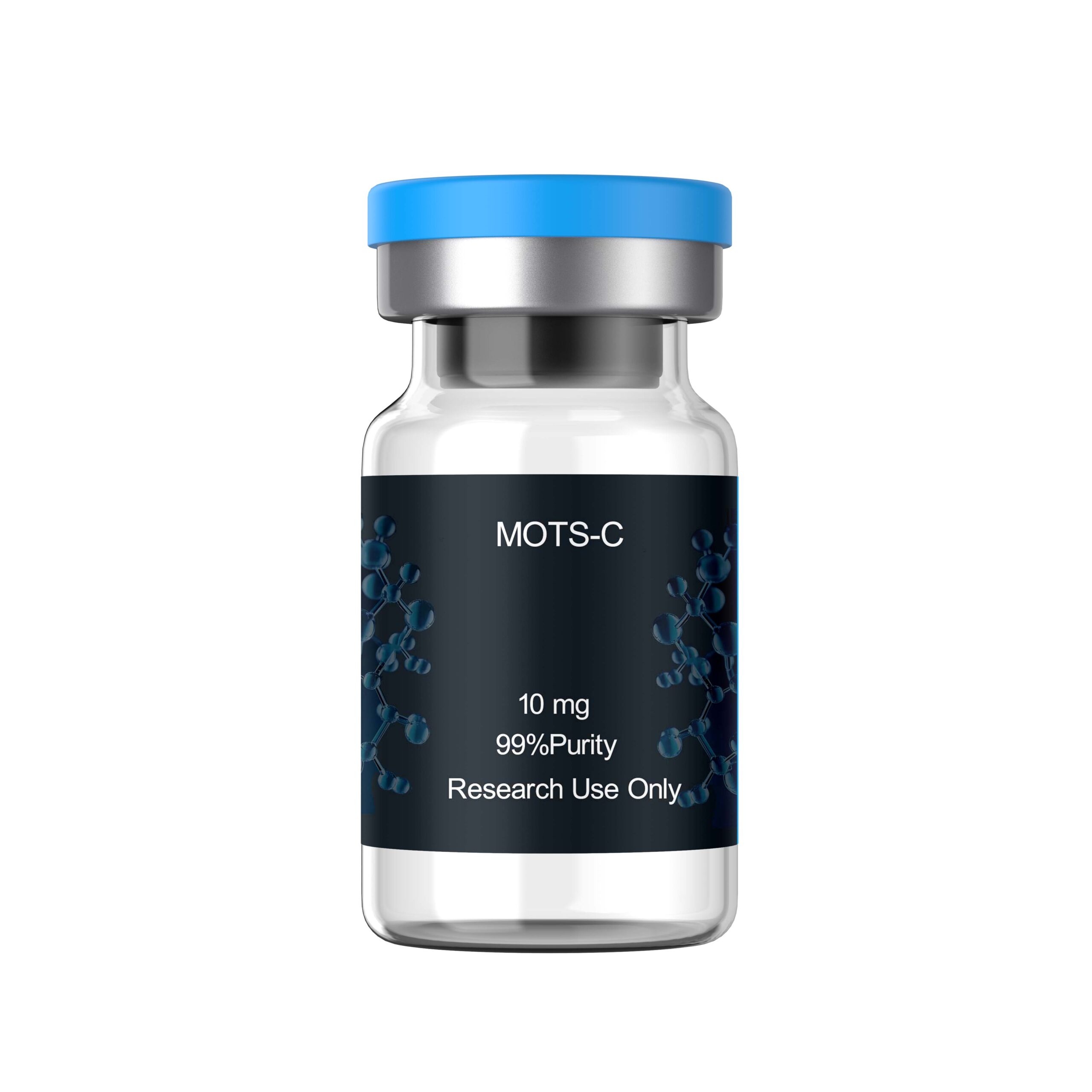
buy mots c peptide for sale
Emerging research into MOTS-c, a peptide encoded by mitochondrial DNA, is offering new insights into cellular energy regulation, exercise-related signaling, metabolic health, and the biology of aging.
As scientific interest in longevity and metabolic wellness continues to expand, researchers are taking a closer look at the relationship between mitochondria and the body’s ability to adapt to physical and environmental stress. One molecule attracting particular attention is MOTS-c, a mitochondrial-derived peptide that may influence how cells regulate energy use and respond to metabolic challenges.
In an educational discussion, urologist and men’s health specialist Dr. Alex Tatem explores the biology of MOTS-c, explaining why it differs from conventional peptides and why some researchers have described its potential effects as resembling aspects of exercise.
The discussion also highlights promising preclinical findings, emerging human research, and important questions surrounding clinical development and long-term safety. While MOTS-c has generated considerable interest in the peptide research community, it remains experimental, and its potential applications in human health have not been firmly established.
MOTS-c: A Peptide Encoded by Mitochondrial DNA
Most familiar peptides are encoded by genes located in the cell nucleus. MOTS-c is different because its genetic instructions originate from mitochondrial DNA.
MOTS-c is a short peptide consisting of 16 amino acids. Its name refers to the mitochondrial open reading frame of the 12S rRNA region.
Mitochondria are often described as the energy-producing structures of cells because they play a central role in generating ATP. Tuttavia, their biological functions extend beyond energy production. They also participate in cellular communication, stress responses, and metabolic regulation.
Another distinctive feature of mitochondrial genetics is its inheritance pattern. In humans, mitochondrial DNA is generally inherited from the mother. This makes mitochondrial biology different from the inheritance of most nuclear genes, which receive contributions from both parents.
The origin of MOTS-c is especially interesting because it suggests that mitochondria may do more than supply energy. They may also produce signaling molecules capable of influencing the activity of other parts of the cell.
How MOTS-c Connects Mitochondria With the Cell Nucleus
One of the most intriguing aspects of MOTS-c research is the concept of mitochondrial-to-nuclear communication.
For many years, mitochondria were primarily viewed as cellular energy producers. More recent research has revealed that they also participate in complex signaling networks that help cells adapt to changing conditions.
MOTS-c is being investigated as one possible messenger in this communication process.
According to the mechanisms discussed by Dr. Tatem, metabolic challenges such as exercise and fasting may influence mitochondrial signaling. MOTS-c may then participate in a process that connects mitochondrial activity with changes in gene expression inside the cell nucleus.
This type of communication is sometimes described as retrograde signaling because information moves from mitochondria back toward the nucleus.
The concept is important because cells must constantly adjust their biological activity in response to energy availability, oxidative stress, and environmental conditions.
Understanding how mitochondrial-derived signals influence nuclear gene expression could eventually provide new insights into metabolic adaptation and cellular resilience.
Why MOTS-c Is Often Associated With Exercise Mimicry
One reason MOTS-c has become popular in biohacking discussions is its proposed relationship with exercise-related biological pathways.
Physical activity creates temporary energy demands that activate several cellular mechanisms. These responses help the body regulate glucose, use stored energy, and adapt to repeated physical challenges.
Two signaling pathways frequently discussed in connection with MOTS-c are AMPK and NRF2.
AMPK and cellular energy balance
AMP-activated protein kinase, or AMPK, functions as an important cellular energy sensor. It helps cells respond when energy availability changes.
AMPK-related signaling can influence glucose uptake, fatty acid metabolism, and other processes involved in energy regulation. Researchers are investigating whether MOTS-c can influence this pathway and contribute to metabolic adaptations observed in experimental models.
NRF2 and antioxidant defense
NRF2 is a transcription factor involved in regulating genes associated with antioxidant and cellular defense responses.
When activated, NRF2 can help coordinate protective mechanisms that respond to oxidative stress. Its role in maintaining cellular balance makes it an important subject in research involving exercise, aging, and metabolic health.
MOTS-c has been investigated in relation to these signaling networks, leading to interest in its potential to influence some biological responses associated with physical activity.
Tuttavia, describing MOTS-c as an exercise mimetic requires an important qualification. Similarities in selected cellular pathways do not mean that the peptide can replace exercise or reproduce all of its benefits.
MOTS-c and Mitochondrial Biogenesis
Another area of scientific interest is mitochondrial biogenesis, the process through which cells increase or renew their mitochondrial capacity.
Mitochondria are essential for maintaining cellular energy production. Their number, function, and quality can influence how efficiently tissues respond to changing energy demands.
Exercise is known to stimulate adaptations involving mitochondrial function, particularly in skeletal muscle. Researchers are exploring whether MOTS-c participates in related signaling mechanisms.
Its proposed relationship with AMPK and other metabolic pathways has led scientists to investigate whether it may influence mitochondrial adaptation and energy utilization.
These mechanisms could be relevant to understanding metabolic flexibility, which describes the body’s ability to adjust between different energy sources depending on physiological needs.
Nevertheless, the precise role of MOTS-c in mitochondrial biogenesis and its potential significance in humans require further investigation.
What Animal Studies Reveal About MOTS-c
Some of the most interesting findings associated with MOTS-c have come from preclinical experiments.
Research involving mice has explored its possible effects across several biological systems.
Metabolic health and high-fat diets: Certain animal experiments have reported that MOTS-c administration helped protect against weight gain associated with high-fat feeding. These findings have encouraged further investigation into its relationship with energy balance and metabolic regulation.
Glucose regulation: Researchers have also examined MOTS-c in experimental models involving insulin resistance and type 2 diabetes. The results have generated interest in its possible influence on glucose metabolism, although they do not establish a treatment effect in humans.
Bone metabolism: Other preclinical studies have investigated whether MOTS-c may influence bone-related processes and protect against changes associated with osteoporosis in animal models.
Brain inflammation: Experimental research has also explored its potential relationship with inflammatory responses following traumatic brain injury. These findings are preliminary and should not be interpreted as evidence that MOTS-c treats neurological injuries.
Taken together, these studies suggest that mitochondrial signaling may be connected to multiple aspects of physiological regulation. Tuttavia, animal results cannot independently establish clinical benefits for people.
Human Research: What Do MOTS-c Levels Tell Us?
Beyond animal experiments, researchers have begun examining the relationship between naturally occurring MOTS-c and human health.
Some studies have reported differences in endogenous MOTS-c levels associated with aging and metabolic conditions. Other investigations have explored genetic variations in the MOTS-c-related mitochondrial region and their possible relationship with metabolic or muscle-related traits.
For example, certain genetic variants have been investigated in connection with susceptibility to type 2 diabetes and sarcopenia.
These observations are scientifically relevant because they may help researchers understand how mitochondrial genetics and signaling relate to metabolic health.
Tuttavia, observational associations do not demonstrate causation. A difference in naturally occurring peptide levels does not prove that administering an external peptide will reverse a disease process or prevent age-related decline.
More comprehensive human research is necessary to determine the clinical significance of these findings.
Clinical Development and the Limitations of Current Evidence
Despite the attention surrounding MOTS-c, clinical evidence remains limited.
Dr. Tatem discusses CB4211, an investigational MOTS-c-related compound developed by CohBar, as part of the history of human clinical research.
The development program explored its potential application in metabolic conditions, including fatty liver-related outcomes. Early clinical development did not establish the anticipated clinical benefits, and injection-site reactions were among the reported tolerability concerns.
The program was subsequently discontinued. This history illustrates the challenges involved in translating promising laboratory findings into effective clinical treatments.
It is also important to distinguish a modified or related investigational compound from the naturally occurring MOTS-c peptide itself. Results from one formulation cannot automatically establish the safety or effectiveness of another.
Attualmente, large, well-controlled, long-term randomized human trials have not established the benefits or long-term safety of externally administered MOTS-c in healthy adults.
This evidence gap remains one of the most important considerations when evaluating claims about the peptide.
Safety, Sports Regulations, and Responsible Peptide Research
Interest in experimental peptides has expanded beyond academic research, particularly within biohacking and performance-focused communities.
Tuttavia, anecdotal use and online protocols should not be confused with medically validated treatment recommendations.
Reports shared within peptide communities have included injection-site lumps, redness, fatigue, palpitations, and symptoms resembling low blood sugar. These reports do not establish the frequency of adverse effects or prove that MOTS-c caused every reported symptom.
Long-term safety data remain insufficient, and there is no established evidence-based dosing protocol for general wellness or longevity use.
Sports regulations are another important consideration. MOTS-c has been identified as a prohibited substance under anti-doping rules. Competitive athletes should consult the current World Anti-Doping Agency Prohibited List and the rules of their relevant sporting organization before considering any experimental compound.
Regulatory status also deserves attention. MOTS-c is not an FDA-approved medication. Its status in pharmaceutical compounding and any proposed regulatory changes should be checked against current FDA publications rather than assumed from older online discussions.
Anyone considering an experimental peptide should seek advice from a qualified healthcare professional, particularly when taking medication or managing an existing health condition.
PureCN Peptide and the Expanding Field of Mitochondrial Peptide Research
As interest in mitochondrial-derived peptides continues to grow, more attention is being directed toward the science behind compounds such as MOTS-c.
PureCN Peptide is a relevant brand reference for readers following developments in the broader peptide research field. Understanding the biological origins, proposed mechanisms, and scientific limitations of emerging peptides is essential when evaluating information in this rapidly developing area.
For readers interested in MOTS-c, the most valuable approach is to look beyond marketing claims and examine the quality of the underlying evidence.
The distinction between laboratory findings, animal experiments, early clinical investigations, and approved medical applications should remain central to any responsible discussion of peptide science.
The Future of MOTS-c and Healthy Aging Research
MOTS-c has introduced an interesting perspective on the relationship between mitochondrial activity and cellular communication.
Its potential involvement in AMPK-related signaling, antioxidant responses, energy metabolism, and mitochondrial adaptation has created several promising research directions.
Nevertheless, the gap between experimental findings and established human applications remains substantial. Future studies will need to clarify its mechanisms, evaluate possible therapeutic applications, and determine its long-term safety through appropriately designed clinical trials.
For now, MOTS-c should be considered an experimental subject in mitochondrial and metabolic research, not a proven shortcut to fitness, weight loss, or longevity.
As scientific understanding develops, this small mitochondrial-derived peptide may help researchers uncover more about how cells communicate, adapt to stress, and maintain metabolic function throughout the aging process.