 Powerae.com

What Is MOTS-c Peptide? Benefits, Research, and Safety Explained
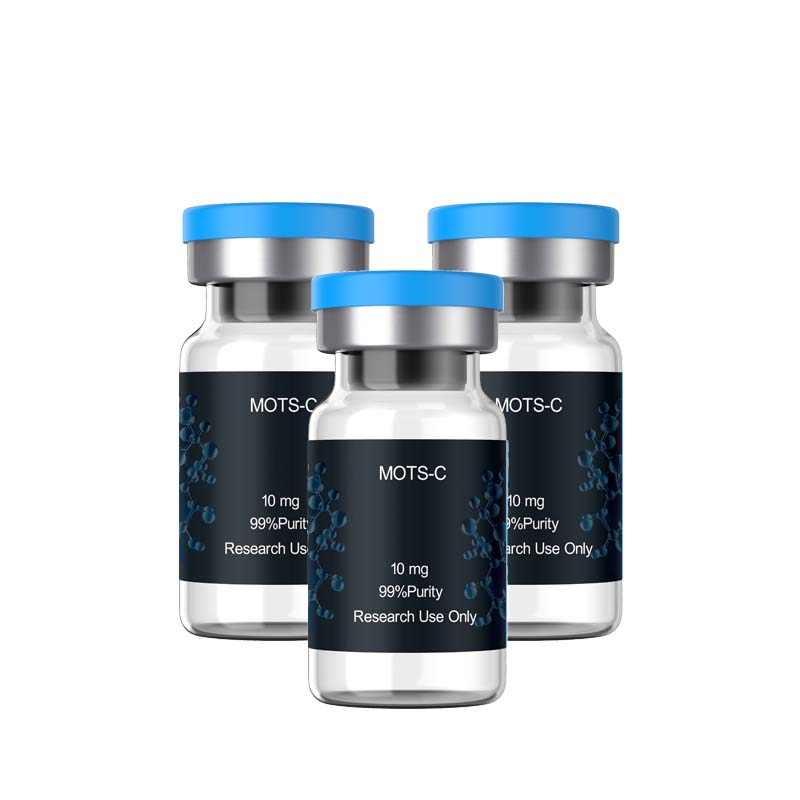
mots c peptide for sale
Have you heard about MOTS-c peptide and wondered whether it can improve your energy, support metabolism, or help with healthy aging? MOTS-c has attracted attention in fitness and wellness communities because early research suggests it may play a role in how the body manages energy.
But there is an important difference between a promising scientific discovery and a treatment proven to work in humans. Before considering MOTS-c, it helps to understand what it is, what researchers have found, and what remains unknown.
What Is MOTS-c Peptide?
MOTS-c is a small peptide made up of 16 amino acids. Unlike many familiar peptides, it is encoded by genetic information in the mitochondria, the structures inside cells that help produce usable energy.
Mitochondria are often called the powerhouses of cells. However, their role goes beyond energy production. They also take part in processes linked to metabolism, stress responses, and cellular health.
MOTS-c belongs to a group known as mitochondrial-derived peptides. Researchers are studying how these peptides communicate with other parts of the cell and influence metabolic functions.
In simple terms, MOTS-c is a naturally occurring peptide that may help regulate how the body responds to certain metabolic challenges. Scientists are still working to understand exactly how it functions and what its effects might mean for human health.
What Are the Potential Benefits of MOTS-c?
Interest in MOTS-c comes mainly from early laboratory and animal studies. These findings are useful for guiding future research, but they do not prove that taking MOTS-c as a supplement or injection produces the same benefits in people.
1. Supporting Metabolic Health
One of the main reasons researchers study MOTS-c is its possible role in metabolic regulation.
Metabolism is the process through which your body uses and stores energy. It affects how your cells process nutrients, including glucose and fats. When these processes do not work well, they can contribute to metabolic problems.
Early research suggests that MOTS-c may influence pathways involved in glucose use and insulin sensitivity. Some animal studies have reported improvements in metabolic function under specific experimental conditions.
However, these results should not be interpreted as proof that MOTS-c prevents or treats diabetes, insulin resistance, or other metabolic disorders in humans. Human research is still insufficient to establish its clinical benefits.
What can you do now? Regular physical activity, a balanced diet, adequate sleep, and medical guidance when needed remain better-established ways to support metabolic health.
2. Supporting Physical Performance
MOTS-c has also attracted attention in sports and fitness research.
In a 2021 study published in Nature Communications, researchers investigated MOTS-c in relation to exercise, age-related physical decline, and muscle function. The findings suggested potential benefits in experimental models, including mice.
This has led to interest in whether MOTS-c might eventually help researchers better understand exercise responses and physical performance.
Still, results in animals do not automatically apply to humans. There is not enough clinical evidence to conclude that MOTS-c injections improve endurance, strength, recovery, or athletic performance in people.
If your goal is to improve fitness, start with a consistent training plan, adequate nutrition, and sufficient recovery. These strategies have much stronger real-world support.
3. Exploring Healthy Aging
Another area of interest is healthy aging.
As people grow older, changes in muscle function, energy regulation, and cellular processes can affect everyday activities. Because mitochondria are involved in several of these processes, scientists are investigating whether mitochondrial-derived peptides could help explain some aspects of age-related change.
MOTS-c is one of the peptides being studied in this area. However, researchers have not established that taking it slows human aging, extends lifespan, or prevents age-related diseases.
It is more accurate to describe MOTS-c as an experimental research subject than as a proven anti-aging treatment.
Is MOTS-c Peptide Safe?
Safety is one of the most important questions to consider.
At present, there is not enough human clinical evidence to establish a safe and effective use of MOTS-c. Researchers still need more information about how it behaves in the human body, what doses might be appropriate for any future medical use, and what short- and long-term risks it could carry.
The U.S. Food and Drug Administration (FDA) has highlighted the lack of human safety and effectiveness data for MOTS-c-related substances considered for compounding. It has also raised concerns about potential immune reactions and impurities in peptide products.
Products sold online may be labeled “research use only.” Such labels do not mean a product has been proven safe for human use, and online availability is not evidence of FDA approval.
For these reasons, self-injecting MOTS-c or using products from unverified suppliers carries significant uncertainty. A healthcare professional can help you evaluate safer, evidence-based options for your health goals.
Is MOTS-c FDA Approved?
MOTS-c is not an FDA-approved drug for human use. Its proposed benefits have not been established through the clinical evidence normally needed to demonstrate that a treatment is safe and effective.
This distinction matters because products marketed for weight management, muscle performance, or healthy aging may use strong claims that go beyond the available research.
If you see a product promising rapid fat loss, greater endurance, or slower aging, look for reliable human clinical evidence supporting that specific claim. If such evidence is missing, treat the promise with caution.
Athletes should also be aware that MOTS-c is listed as a prohibited substance under the World Anti-Doping Agency’s prohibited list. Competitive athletes should check the rules that apply to their sport before using any experimental peptide.
How Can You Support Metabolic Health Without Experimental Peptides?
You do not need to rely on an experimental compound to begin improving your everyday health. Practical habits can make a meaningful difference, even though results take time and vary from person to person.
- Exercise regularly. Combine aerobic activity with strength training appropriate for your fitness level.
- Eat balanced meals. Include vegetables, fruit, whole grains, protein sources, and healthy fats.
- Prioritize sleep. Maintain a consistent sleep schedule and address persistent sleep problems with a healthcare professional.
- Build habits you can maintain. A realistic routine is often more useful than an extreme plan that is difficult to follow.
- Seek medical advice when necessary. If you are concerned about blood sugar, weight, fatigue, or other symptoms, ask a qualified healthcare professional about appropriate evaluation and treatment.
These steps have a stronger evidence base for general health than using an unapproved peptide.
Frequently Asked Questions About MOTS-c Peptide
What does MOTS-c do in the body?
MOTS-c is a mitochondria-derived peptide being studied for its possible role in metabolic regulation and cellular stress responses. Its full function in humans is not yet established.
Can MOTS-c help with weight loss?
There is not enough human clinical evidence to show that MOTS-c is a safe or effective weight-loss treatment. Claims about fat loss should be treated cautiously.
Does MOTS-c improve muscle growth?
Early research has examined MOTS-c and muscle-related outcomes, primarily in experimental models. It has not been established as an effective muscle-building treatment in humans.
Is MOTS-c a supplement?
MOTS-c is commonly marketed online as a research peptide, but it should not be confused with an ordinary dietary supplement. It is not an FDA-approved drug for human use, and its safety and effectiveness remain uncertain.
Should you try MOTS-c peptide?
That depends on your health goals, but current evidence does not support routine use. Discuss any proposed peptide treatment with a qualified healthcare professional instead of relying on online marketing claims.
Final Thoughts
MOTS-c peptide is an interesting subject in mitochondrial and metabolic research. Early findings suggest possible connections to energy regulation, physical function, and healthy aging, but these potential benefits have not been established in human clinical trials.
The key is to separate scientific possibility from proven results. Rather than rushing to try an experimental peptide, focus on well-supported health habits and seek professional guidance when you need help choosing a treatment.
As research continues, better human studies may clarify whether MOTS-c has a useful medical role. Until then, informed decisions should be based on reliable evidence, realistic expectations, and safety—not promises alone.