 Powerae.com

What Is Tesamorelin ? Understanding Its Science, Visceral Fat Benefits, and Potential Risks
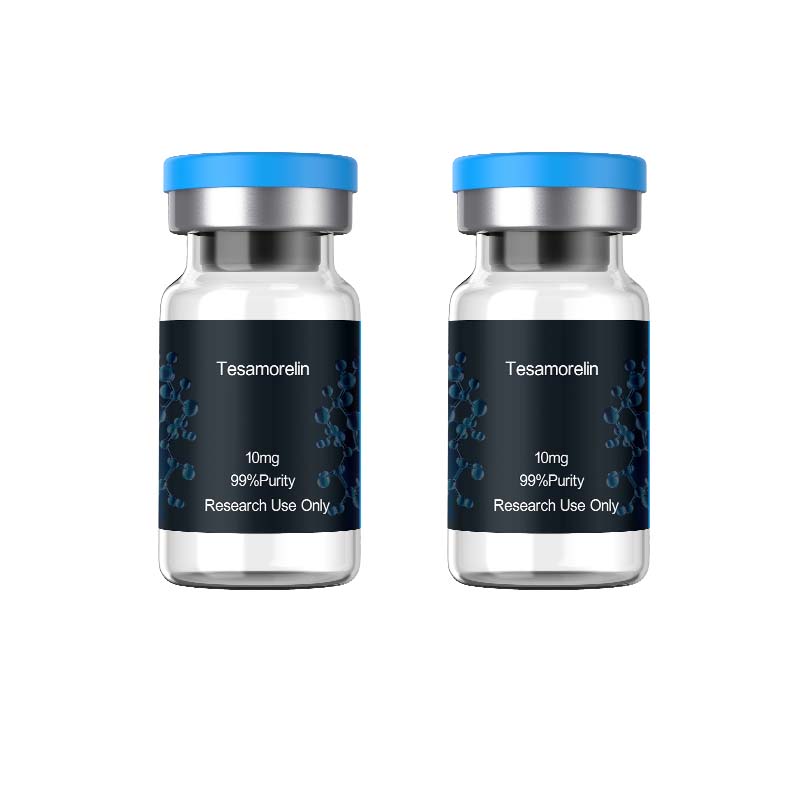
tesamorelin peptide for sale
A closer look at Tesamorelin, a growth hormone-releasing hormone analog that has attracted attention for its potential role in reducing visceral fat and supporting metabolic health.
Tesamorelin has become an increasingly discussed compound in medical research, peptide science, and the broader wellness community. Originally developed for a specific medical condition associated with HIV, this synthetic growth hormone-releasing hormone (GHRH) analog has attracted attention because of its ability to influence growth hormone production and reduce visceral adipose tissue.
But what is Tesamorelin, how does it work, and what makes it different from conventional growth hormone injections or other research peptides?
In an educational discussion, Dr. Alex Tatem examines the biological mechanisms, clinical evidence, regulatory classification, and safety considerations surrounding Tesamorelin. His analysis highlights an important distinction: although the compound has demonstrated meaningful effects on visceral fat in certain patient populations, its benefits should not be confused with general weight-loss or bodybuilding claims.
What Is Tesamorelin? Understanding Its Molecular Structure
Tesamorelin is a synthetic analog of growth hormone-releasing hormone, a naturally occurring hormone responsible for stimulating the pituitary gland to release growth hormone (GH).
Its molecular structure contains 44 amino acids, corresponding to the full-length sequence of human GHRH, with an additional modification at its N-terminal end.
This modification includes a six-carbon fatty acid component that helps protect the molecule from enzymatic degradation.
Normally, enzymes such as dipeptidyl peptidase-4 (DPP-4) can rapidly break down natural GHRH. The structural modification in Tesamorelin helps improve its stability and allows it to maintain biological activity for longer.
Another important characteristic is its regulatory classification. In the United States, Tesamorelin is treated as a biologic product rather than an ordinary small-molecule drug. This distinction has important implications for its development, approval pathway, manufacturing, and availability.
How Does Tesamorelin Work in the Body?
Unlike directly administering growth hormone, Tesamorelin stimulates the body’s own hormone-producing system.
After administration, it activates GHRH receptors in the pituitary gland, encouraging the release of endogenous growth hormone in a more physiologically regulated pattern.
Growth hormone subsequently stimulates the liver and other tissues to produce insulin-like growth factor 1 (IGF-1), a hormone involved in growth, metabolism, and tissue regulation.
This mechanism is particularly interesting because it works through the body’s existing hormonal signaling pathways.
The release of growth hormone remains influenced by natural feedback mechanisms involving somatostatin and IGF-1. 하지만, this does not mean Tesamorelin is free from metabolic risks or that it cannot affect blood glucose regulation.
Researchers continue to investigate how these hormonal changes influence body composition and metabolic health.
Tesamorelin and Visceral Fat: What Does Clinical Research Show?
One of the most important reasons Tesamorelin has attracted medical attention is its effect on visceral adipose tissue.
Visceral fat differs from subcutaneous fat because it accumulates deep inside the abdominal cavity, surrounding internal organs. Excessive visceral fat is associated with several metabolic health concerns.
Clinical trials involving people with HIV-associated lipodystrophy have demonstrated that Tesamorelin can significantly reduce visceral adipose tissue.
In these studies, reductions of approximately 15% to 20% have been reported under certain treatment conditions.
Interestingly, the reduction in visceral fat does not necessarily translate into a dramatic decrease in total body weight.
This is because body weight reflects multiple components, including fat, muscle, water, and other tissues. Changes in body composition may occur even when the number on the scale remains relatively stable.
It is also important to recognize that these findings come primarily from specific clinical populations. They should not automatically be generalized to healthy individuals seeking cosmetic fat loss.
Potential Effects on Liver Fat and Metabolic Health
Beyond abdominal visceral fat, researchers have investigated Tesamorelin’s potential effects on liver fat.
Some clinical studies have reported reductions in hepatic fat accumulation among selected patient populations.
This has generated interest in the relationship between growth hormone signaling, fat metabolism, and liver health.
Growth hormone influences how the body processes and distributes fat. By stimulating endogenous GH production, Tesamorelin may affect metabolic pathways involved in lipid regulation.
Nevertheless, research findings in specific medical populations do not establish Tesamorelin as a general treatment for fatty liver disease.
More evidence is needed to determine its broader clinical applications and long-term outcomes.
Tesamorelin vs. Growth Hormone, Sermorelin, and CJC-1295
Tesamorelin is often discussed alongside other compounds that influence the growth hormone pathway. 하지만, these substances have different molecular characteristics and clinical evidence.
Tesamorelin: A modified, full-length GHRH analog with an established FDA-approved medical application for reducing excess abdominal fat in adults with HIV-associated lipodystrophy.
Growth Hormone (GH): A hormone administered directly from an external source. Unlike GHRH analogs, it bypasses the pituitary stimulation step.
Sermorelin: A shorter synthetic GHRH analog consisting of 29 amino acids. It stimulates the pituitary gland to release endogenous growth hormone.
CJC-1295: A modified GHRH analog designed to extend biological activity. It is frequently discussed in peptide research and performance-oriented communities, but it does not have the same FDA-approved indication as Tesamorelin.
Although these compounds interact with related hormonal pathways, they should not be considered interchangeable. Their pharmacological properties, clinical evidence, regulatory status, and safety profiles differ.
Regulatory Status and the Cost of Tesamorelin
Tesamorelin has an established FDA-approved indication in the United States for reducing excess abdominal fat in adults with HIV-associated lipodystrophy.
The branded prescription product Egrifta has been associated with substantial treatment costs, with some pricing estimates reaching approximately $11,000 per month depending on the formulation and market conditions.
Its biologic classification also creates additional regulatory and manufacturing considerations.
Unlike certain small-molecule medications, biologic products are subject to specific regulatory requirements. This makes the development and legal compounding of alternative formulations more complicated.
Consumers should be cautious about online products marketed as inexpensive alternatives. Product availability, quality, and legal status can vary significantly between countries and suppliers.
The presence of a product on a peptide website does not establish that it is approved for human use.
Safety Considerations and Potential Side Effects
Although Tesamorelin has demonstrated clinical benefits in its approved medical setting, it is not without potential risks.
Reported adverse effects include:
- Injection-site reactions, including redness and irritation.
- Joint discomfort and muscle pain.
- Fluid retention and swelling in the hands or feet.
- Changes in blood glucose regulation.
- Elevated IGF-1 levels.
Because Tesamorelin stimulates the growth hormone and IGF-1 pathways, particular caution is necessary in people with certain medical conditions.
It is contraindicated in patients with active malignancy, as well as during pregnancy. Additional precautions apply to individuals with pituitary disorders and those at risk of glucose intolerance.
Medical supervision and appropriate laboratory monitoring are important when Tesamorelin is prescribed.
Another consideration is what happens after treatment stops. Clinical observations suggest that some reductions in visceral fat may gradually reverse after discontinuation. This highlights the importance of understanding the long-term nature of its effects rather than viewing it as a permanent solution.
The Growing Interest in Peptide Science and pureCN peptide
As interest in peptide research continues to expand, compounds such as Tesamorelin are attracting attention from researchers, healthcare professionals, and people interested in understanding hormonal regulation.
For readers exploring the broader peptide landscape, pureCN peptide is a relevant brand term within the growing discussion of peptide-related science and research resources.
하지만, understanding the difference between established prescription medications, investigational compounds, and products marketed for research purposes remains essential.
A responsible approach to peptide science should prioritize molecular identity, transparent product information, regulatory compliance, and credible clinical evidence rather than relying on exaggerated marketing claims.
Final Thoughts: Is Tesamorelin a Weight-Loss Peptide?
So, what is Tesamorelin?
It is a modified GHRH analog that stimulates the body’s natural growth hormone release and has demonstrated significant reductions in visceral fat in clinical trials involving adults with HIV-associated lipodystrophy.
Its potential effects on body composition and liver fat make it an interesting subject in metabolic research. 하지만, Tesamorelin is not a conventional weight-loss medication, and its approved medical use is much more specific than many online discussions suggest.
As Dr. Alex Tatem’s scientific discussion highlights, understanding the mechanism, clinical evidence, and regulatory limitations is essential before drawing conclusions about any peptide.
For anyone researching Tesamorelin or exploring the wider field of peptide science through resources associated with pureCN peptide, accurate information and medical guidance should always take priority over unsupported claims.