 Powerae.com

What Is SNAP-8 Peptide Used For? Exploring Its Anti-Wrinkle Benefits, Mechanism, and PureCN Peptide Insights
Understanding How SNAP-8 Peptide May Help Reduce Expression Lines and How It Compares With Botox
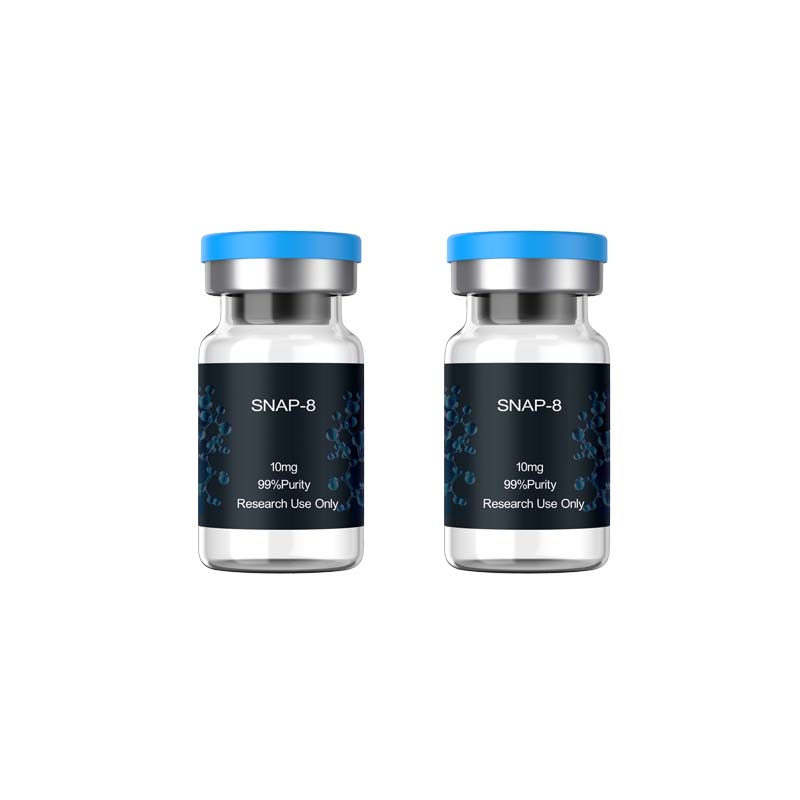
buy snap 8 peptide for sale
vAs peptide-based skincare continues to attract attention in the beauty and anti-aging industries, SNAP-8 has emerged as an ingredient of interest for people looking to improve the appearance of facial wrinkles without undergoing cosmetic injections. Often marketed as an advanced anti-wrinkle peptide, SNAP-8 is particularly associated with expression lines around the forehead, eyes, and mouth.
But what is SNAP-8 peptide used for, and can it really deliver Botox-like results?
According to explanations shared by health and peptide educator Kim Constable, SNAP-8 is a synthetic peptide designed to influence certain processes involved in neurotransmitter release. Its proposed mechanism has generated interest in cosmetic formulations, although its effects are considerably different from those of injectable botulinum toxin.
For consumers researching peptide-based skincare and products associated with pureCN peptide, understanding the science, limitations, and realistic expectations behind SNAP-8 is essential.
What Is SNAP-8 Peptide?
SNAP-8, also known as Acetyl Octapeptide-3, is a synthetic peptide consisting of eight amino acids. It was developed as a cosmetic ingredient intended to help reduce the appearance of expression-related wrinkles.
Its mechanism is associated with the SNARE protein complex, a group of proteins involved in the release of neurotransmitters from nerve cells.
To understand how SNAP-8 works, it helps to first understand why expression lines develop.
Facial muscles contract repeatedly throughout the day whenever people smile, frown, squint, or raise their eyebrows. These movements cause the skin above the muscles to fold.
When skin is younger, its collagen and elastin networks help maintain flexibility and allow it to return to its original position. Cu toate acestea, as collagen production and skin elasticity decline with age, repeated folding can contribute to the development of more persistent wrinkles.
Common examples include:
- Forehead lines caused by repeatedly raising the eyebrows.
- Frown lines between the eyebrows.
- Crow’s feet around the outer corners of the eyes.
- Expression lines around the mouth.
SNAP-8 is designed to target part of the biological signaling process associated with these repetitive muscle movements.
How Does SNAP-8 Peptide Work?
The proposed anti-wrinkle mechanism of SNAP-8 involves interfering with the molecular machinery responsible for neurotransmitter release.
Normally, when the brain sends a signal to a facial muscle, electrical activity travels along a nerve cell toward its ending. Small vesicles containing chemical messengers move toward the nerve membrane and release their contents through a process involving SNARE proteins.
One important neurotransmitter involved in muscle contraction is acetylcholine.
SNARE proteins help facilitate the fusion of neurotransmitter-containing vesicles with the nerve cell membrane, allowing acetylcholine to be released into the space between the nerve and muscle.
This chemical signal then activates the muscle and triggers contraction.
SNAP-8 is designed to mimic a portion of the SNAP-25 protein, which participates in the SNARE complex. By interacting with this signaling machinery, it is proposed to interfere with efficient neurotransmitter release.
In simplified terms, SNAP-8 may act like an imperfect replacement component that makes the signaling process less efficient.
The intended cosmetic result is a potential reduction in the intensity of repetitive facial movements and, consequently, a softer appearance of expression lines.
Cu toate acestea, it is important to distinguish this proposed mechanism from proven clinical outcomes. The effectiveness of a topical SNAP-8 formulation depends on factors such as concentration, formulation quality, skin penetration, and the available clinical evidence.
What Is SNAP-8 Peptide Used For in Skincare?
SNAP-8 is primarily used in cosmetic skincare products formulated to address visible signs of facial aging.
Its main applications include the following.
1. Reducing the Appearance of Expression Lines
Expression lines are among the most common concerns associated with aging skin.
Because SNAP-8 is designed to influence processes involved in neurotransmitter release, cosmetic manufacturers use it in products targeting wrinkles associated with repeated facial movements.
These products are commonly marketed for forehead wrinkles, frown lines, and crow’s feet.
Cu toate acestea, consumers should understand that topical SNAP-8 is not proven to eliminate established wrinkles or completely prevent facial muscle contractions.
2. Supporting Smoother-Looking Skin
Some peptide-based skincare formulations combine SNAP-8 with moisturizing ingredients, antioxidants, and other cosmetic peptides.
The goal is to support a smoother skin appearance through multiple complementary approaches.
While hydration can temporarily make fine lines less noticeable, the presence of SNAP-8 does not automatically guarantee visible improvements.
3. Non-Invasive Anti-Aging Skincare
One reason SNAP-8 attracts attention is its potential role in non-injectable skincare routines.
Unlike cosmetic injections, topical peptide products can be incorporated into everyday skincare regimens.
Nevertheless, their effects should not be compared directly with medical procedures. Topical formulations and injectable treatments have different delivery methods, mechanisms, and levels of effectiveness.
SNAP-8 Peptide vs. Botox: What Is the Difference?
SNAP-8 is sometimes described in beauty marketing as “Botox in a bottle.” Although the two are discussed in connection with facial muscle activity and wrinkles, this description can create unrealistic expectations.
Their mechanisms and effects are substantially different.
Botulinum toxin (Botox) is a neurotoxin used in controlled medical and cosmetic procedures. It acts on nerve endings and cleaves SNAP-25, disrupting the SNARE machinery required for acetylcholine release. This temporarily reduces muscle contraction in the treated area.
SNAP-8, on the other hand, is a synthetic cosmetic peptide designed to mimic a portion of SNAP-25. It is proposed to interfere with neurotransmitter release through a different and much less established mechanism.
The differences are important:
| Feature | SNAP-8 | Botox |
|---|---|---|
| Type | Synthetic cosmetic peptide | Botulinum toxin |
| Main application | Topical anti-wrinkle skincare | Medical and cosmetic injections |
| Proposed mechanism | Modulates SNARE-related neurotransmitter release | Cleaves SNAP-25 |
| Muscle effects | Not established as clinically meaningful muscle paralysis | Temporarily reduces muscle activity |
| Delivery | Applied to the skin | Injected into targeted muscles |
| Evidence | Limited clinical evidence for topical wrinkle reduction | Established clinical evidence for specific indications |
Therefore, SNAP-8 should not be considered an equivalent alternative to Botox.
Although its proposed mechanism is scientifically interesting, there is not enough high-quality clinical evidence to conclude that topical SNAP-8 produces comparable wrinkle-reduction results.
The Biggest Challenge: Can SNAP-8 Actually Penetrate the Skin?
One of the most important limitations of peptide-based skincare is the skin barrier.
Human skin is designed to protect the body from external substances. Its outermost layer, the stratum corneum, acts as a protective barrier that restricts the penetration of many ingredients.
This presents a challenge for peptides.
Even if a peptide demonstrates promising biological activity in laboratory experiments, that does not mean a topical skincare product can deliver it to the appropriate biological target.
Several factors influence peptide delivery:
Molecular Size: Peptides are relatively large compared with many conventional cosmetic ingredients, making penetration through the skin barrier challenging.
Formulation Stability: Some peptides may degrade depending on environmental conditions, including temperature, pH, and exposure to other ingredients.
Delivery Technology: Specialized formulation and delivery systems may improve the stability and penetration of certain peptides, although their effectiveness must be demonstrated for each specific product.
Skin Compatibility: The overall formulation, including moisturizers and supporting ingredients, can influence how a product performs on the skin.
This explains why expensive peptide serums do not necessarily deliver better results than simpler skincare products.
Consumers researching pureCN peptide-related information should also distinguish between laboratory research on isolated peptides and evidence demonstrating the effectiveness of finished cosmetic formulations.
How Should Consumers Evaluate SNAP-8 Skincare Products?
With increasing interest in peptide-based anti-aging products, evaluating product quality is more important than following marketing trends.
Here are several considerations worth keeping in mind:
- Check the Ingredient List: Look for the specific peptide name, such as Acetyl Octapeptide-3, rather than relying exclusively on general peptide marketing claims.
- Evaluate Formulation Quality: A product’s stability, compatibility, and delivery system may influence its performance.
- Look for Human Clinical Research: Laboratory studies alone cannot establish that a finished skincare product meaningfully reduces wrinkles.
- Avoid Exaggerated Claims: Claims that a topical peptide serum works exactly like Botox should be treated cautiously.
- Maintain a Consistent Skincare Routine: Sunscreen, moisturizers, and appropriate skincare ingredients remain important components of long-term skin care.
For readers exploring pureCN peptide and the broader peptide skincare market, understanding these factors can help separate scientifically reasonable claims from exaggerated advertising.
Final Thoughts: Is SNAP-8 Peptide Worth Considering?
So, what is SNAP-8 peptide used for?
SNAP-8 is primarily used as a cosmetic ingredient in anti-wrinkle skincare products. Its proposed mechanism involves interacting with the SNARE protein machinery associated with neurotransmitter release, potentially influencing the signaling processes involved in repetitive facial muscle movements.
Cu toate acestea, its effects should not be overstated.
Unlike Botox, SNAP-8 has not been established as a clinically comparable method of reducing muscle activity. Its ability to penetrate the skin and produce meaningful, lasting improvements in expression lines remains an important area for further research.
For consumers interested in pureCN peptide information and emerging peptide-based skincare technologies, the best approach is to prioritize scientific evidence, transparent product formulations, and realistic expectations.
Ultimately, SNAP-8 represents an interesting development in cosmetic peptide research, but it should be viewed as a potential supportive skincare ingredient rather than a replacement for established dermatological treatments.