 Powerae.com

Peptides Explained: Benefits, Risks, and What Science Really Says
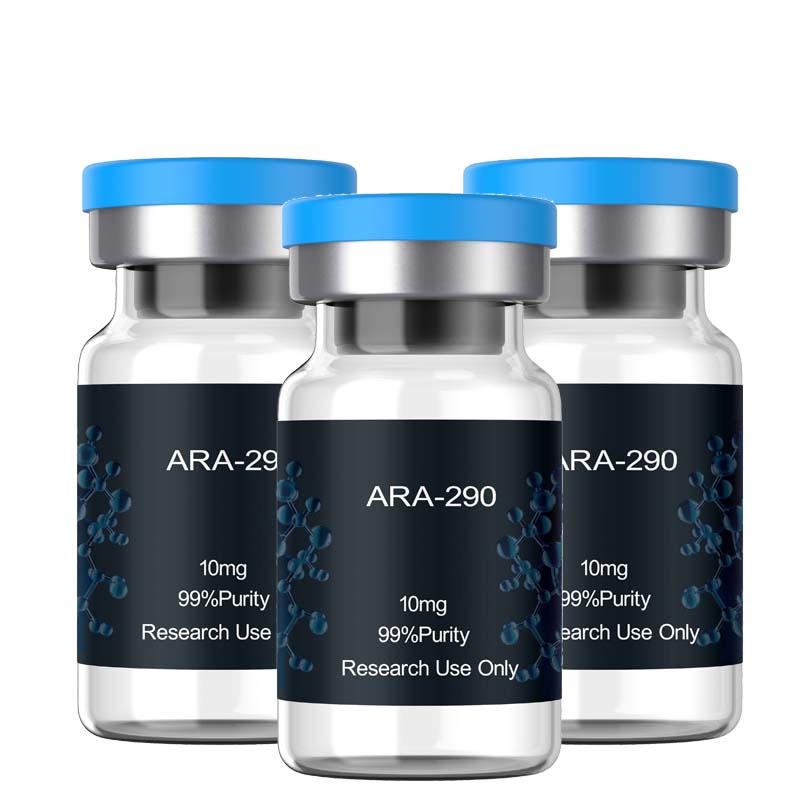
buy ara 290 peptide à vendre
Peptides have become one of the biggest talking points in the fitness, wellness, and anti-aging industries. From weight management and muscle recovery to longevity research, these small chains of amino acids are attracting attention from athletes, fitness enthusiasts, and people looking for new ways to support their health.
Social media is full of claims that peptides can accelerate fat loss, repair injuries, build muscle, and even slow the aging process. But how much of this is supported by science, and how much is simply marketing hype?
The truth is that peptides represent a diverse group of biological compounds with very different functions. Some peptide-based medications have demonstrated significant benefits in clinical trials, while others remain experimental and lack reliable evidence of effectiveness in humans.
Understanding these differences is essential for anyone interested in peptide therapy, fitness optimization, or healthy aging.
What Are Peptides?
Peptides are short chains of amino acids connected by chemical bonds. Amino acids are the fundamental building blocks of proteins, and peptides play important roles in many biological processes throughout the body.
Certain peptides function as signaling molecules, helping regulate appetite, hormone activity, immune responses, and other physiological processes. Others are being investigated for their potential applications in tissue repair, metabolic health, and aging research.
Unlike anabolic steroids, which act through specific hormonal pathways, peptides have a wide range of mechanisms. Their effects depend on their molecular structure and how they interact with biological targets.
This diversity explains why some peptides have established medical applications while others remain experimental.
It is important to remember that the term “peptide” does not automatically mean a substance is safe, effective, or suitable for everyday use. Each compound must be evaluated individually based on scientific evidence, potential risks, and regulatory status.
1. Weight Loss Peptides: Understanding GLP-1 Medications
Weight management is one of the most prominent applications associated with peptide-based treatments.
Medications such as semaglutide and tirzepatide have attracted widespread attention because clinical trials have demonstrated substantial weight-loss benefits in eligible patients when combined with appropriate lifestyle interventions.
Semaglutide activates the glucagon-like peptide-1 (GLP-1) receptor, which plays a role in regulating appetite, food intake, and blood glucose levels. Tirzepatide acts on both GIP and GLP-1 receptors, influencing multiple pathways involved in metabolic regulation.
These medications can increase feelings of fullness, reduce appetite, and help people consume fewer calories. For individuals who meet the relevant medical criteria, they may provide an effective option for managing obesity or certain weight-related health conditions.
Retatrutide has also generated considerable interest. This investigational medication targets GIP, GLP-1, and glucagon receptors and has produced promising weight-loss results in clinical research.
Cependant, investigational compounds should not be confused with approved treatments. Their long-term safety, effectiveness, and appropriate use require continued evaluation.
Potential Benefits and Side Effects
Although weight-loss medications can be effective, they are not suitable for everyone.
Common adverse effects include nausea, vomiting, diarrhea, and constipation. Other risks and precautions vary depending on the specific medication and the individual’s medical history.
Another important consideration is body composition. Weight loss can involve reductions in both fat mass and lean body mass, including muscle. Maintaining adequate protein intake and incorporating resistance training, when medically appropriate, can help support muscle preservation.
These medications should be used under qualified medical supervision. Purchasing injectable products from unverified online sources can expose consumers to uncertain ingredients, contamination, and other safety risks.
2. BPC-157: Can Recovery Peptides Repair Injuries?
BPC-157 is one of the most frequently discussed experimental peptides in bodybuilding and fitness communities.
Often nicknamed the “Wolverine peptide,” it has gained popularity because of claims that it can accelerate the recovery of tendons, ligaments, muscles, and other tissues.
Preclinical research has investigated its potential influence on processes associated with inflammation, blood vessel formation, and tissue repair. These findings have encouraged further scientific interest.
Cependant, promising results in animal studies do not establish that a compound is safe or effective in humans.
High-quality human clinical evidence for BPC-157 remains extremely limited. There is insufficient evidence to establish its effectiveness for sports injuries, determine appropriate dosing, or adequately characterize its long-term safety.
Products marketed online may also vary in quality, purity, and composition, particularly when obtained from unregulated sources.
For people dealing with exercise-related injuries, established approaches such as appropriate rehabilitation, progressive exercise, sufficient nutrition, and adequate sleep remain more dependable options.
Anyone experiencing persistent pain or a significant injury should seek advice from a qualified healthcare professional rather than relying on experimental substances promoted through social media.
3. Anti-Aging Peptides: Can They Slow the Aging Process?
The pursuit of longevity has generated interest in several experimental compounds, including Epitalon.
Some claims suggest that Epitalon may influence telomerase activity and telomere biology. Telomeres are protective structures at the ends of chromosomes that play a role in cellular aging.
Although these mechanisms are scientifically interesting, the relationship between telomeres, telomerase, and human longevity is complex.
Research involving laboratory models or animals cannot automatically be translated into proven benefits for humans. At present, robust clinical evidence demonstrating that Epitalon extends human lifespan or reliably reverses aging is lacking.
Telomerase activity also requires careful evaluation because its effects vary depending on the biological context. Alterations in telomerase regulation may have implications for cancer biology, making unsupported claims about activating this pathway particularly concerning.
For consumers interested in healthy aging, it is important to distinguish between preliminary scientific findings and clinically demonstrated outcomes.
Meaningful evidence requires well-designed human studies, adequate follow-up, independent replication, and comprehensive safety assessments.
4. Are Peptides Effective for Muscle Growth?
Muscle growth and athletic performance are additional reasons peptides have become popular in fitness communities.
Some compounds influence hormonal signaling, while others are being studied for potential effects on metabolism or tissue function. Cependant, these substances differ considerably in their mechanisms, evidence, and safety profiles.
Online discussions often group all peptides together, creating the misleading impression that they share similar effects or can be used interchangeably.
In reality, a compound with a specific medical application cannot automatically be considered an effective muscle-building treatment.
For most fitness enthusiasts, the fundamentals of muscle development remain well established.
Progressive resistance training provides the stimulus needed to develop strength and muscle mass over time.
Adequate protein intake supplies essential amino acids that support muscle maintenance and recovery.
Balanced nutrition helps provide the energy, vitamins, minerals, and other nutrients required for normal physiological function.
Quality sleep supports recovery and overall physical performance.
Consistency allows the benefits of training and nutrition to accumulate over time.
Although scientific research into peptide-based treatments may eventually reveal additional applications, experimental compounds should not replace proven training practices or appropriate medical care.
5. How to Evaluate Peptide Claims Before Trying Them
The growing popularity of peptides has created a market filled with bold promises. Knowing how to evaluate these claims can help consumers make more informed decisions.
Look for Human Clinical Evidence
Animal studies and laboratory experiments can help researchers understand biological mechanisms, but they do not prove that a treatment works in people.
Look for well-designed human clinical trials, independent replication, and transparent reporting of both benefits and adverse effects.
Understand Regulatory Status
A substance being investigated in a clinical trial does not mean it has been approved for general use.
Regulatory approval depends on the specific product, intended use, and jurisdiction. Consumers should verify whether a treatment is authorized for the purpose being advertised.
Be Skeptical of Guaranteed Results
Claims that a peptide can rapidly build muscle, repair every injury, or reverse aging should be approached cautiously.
Human biology is complex, and results can vary considerably between individuals. Reliable health information acknowledges uncertainty rather than promising dramatic outcomes.
Consider Product Quality
Products purchased from unverified sources may contain incorrect concentrations, undisclosed ingredients, or contaminants.
An attractive label, a high advertised purity percentage, or positive online reviews cannot independently establish safety or effectiveness.
Seek Professional Guidance
Prescription peptide-based medications should be used according to medical advice and approved prescribing information.
Experimental compounds should not be treated as routine wellness products simply because they are popular among athletes or influencers.
6. What Actually Supports Long-Term Health?
While peptides continue to attract attention, some of the most effective strategies for supporting long-term health are familiar and accessible.
Regular physical activity supports cardiovascular health, muscle function, and metabolic well-being. Resistance training is particularly valuable for maintaining strength and lean body mass as people age.
A balanced diet provides essential nutrients and supports normal physiological processes. Adequate protein is important for muscle maintenance, while a varied intake of fruits, vegetables, whole grains, and other nutrient-rich foods helps support overall health.
Sleep is another important part of recovery and metabolic regulation. Consistent sleep habits can improve daytime functioning and help support a sustainable exercise routine.
Avoiding smoking, limiting alcohol consumption, maintaining social connections, and attending appropriate preventive health appointments are also valuable components of a long-term wellness strategy.
These habits may not generate the same excitement as a trending injectable treatment, but they have a much stronger foundation in established health research.
Final Thoughts: Are Peptides Worth the Hype?
Peptides are an important and evolving area of medical and biological research, but the evidence varies substantially from one compound to another.
GLP-1-based medications and other peptide-related treatments have demonstrated meaningful clinical benefits for specific indications. In contrast, experimental compounds such as BPC-157 and Epitalon do not yet have sufficient high-quality human evidence to support many of the claims made about them online.
The key is to distinguish established medical treatments from experimental substances and exaggerated marketing promises.
Before considering any peptide, evaluate the scientific evidence, potential risks, regulatory status, and relevance to your individual health goals.
For sustainable improvements in fitness, body composition, and healthy aging, regular exercise, balanced nutrition, adequate sleep, and appropriate medical care remain essential.
The most effective approach to wellness is not necessarily the newest or most expensive treatment. It is an informed, evidence-based strategy that prioritizes long-term health over short-term hype.